When planning a church sound system, one of the most common questions is, "How many loudspeakers do we need?" Others may focus on amplifier power or equipment brands. While these are important considerations, they should not be the starting point of a successful audio project.
In reality, selecting the right equipment becomes much easier after clearly identifying the actual needs of the church.
Equipment Selection Should Follow System Requirements
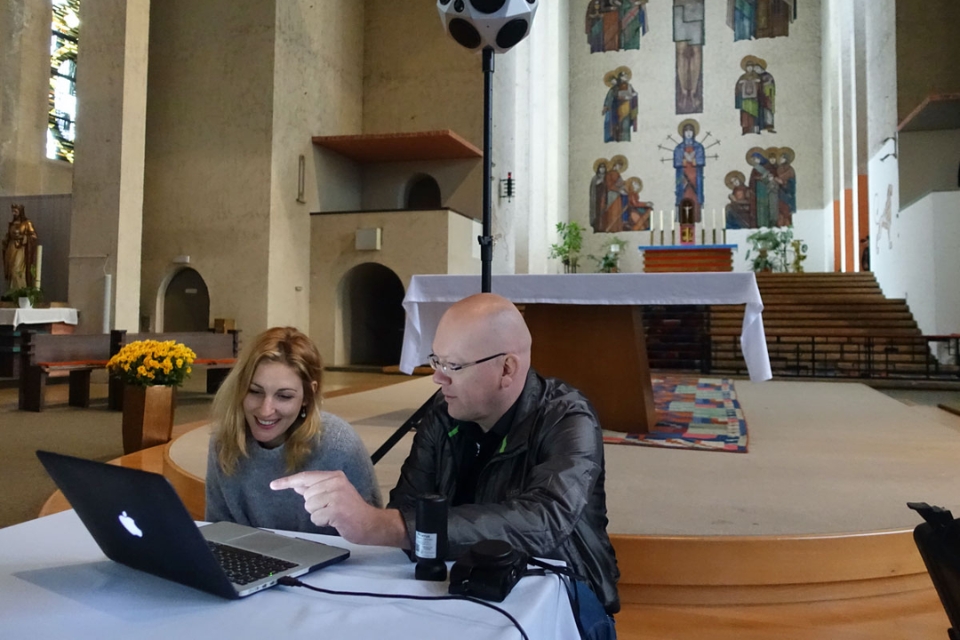
There is no universal audio configuration that fits every church. Even buildings with similar seating capacity or floor area may require completely different solutions depending on worship activities, choir placement, and future plans.
Before choosing any equipment, it is helpful to answer four key questions:
- How many people will the system serve? Audience size and coverage areas directly influence loudspeaker placement and system design.
- What should the system prioritize? Some churches require maximum speech intelligibility, while others need balanced reproduction for sermons, choir performances, and musical instruments.
- Will the system need to expand in the future? Plans for additional worship areas, live streaming, or larger choirs should be considered from the beginning.
- Who will operate the system? The best solution is one that not only delivers excellent performance but is also practical and easy for daily operation.
By answering these questions first, equipment selection becomes a process driven by actual requirements rather than assumptions.
Successful Audio Projects Begin with Proper Planning
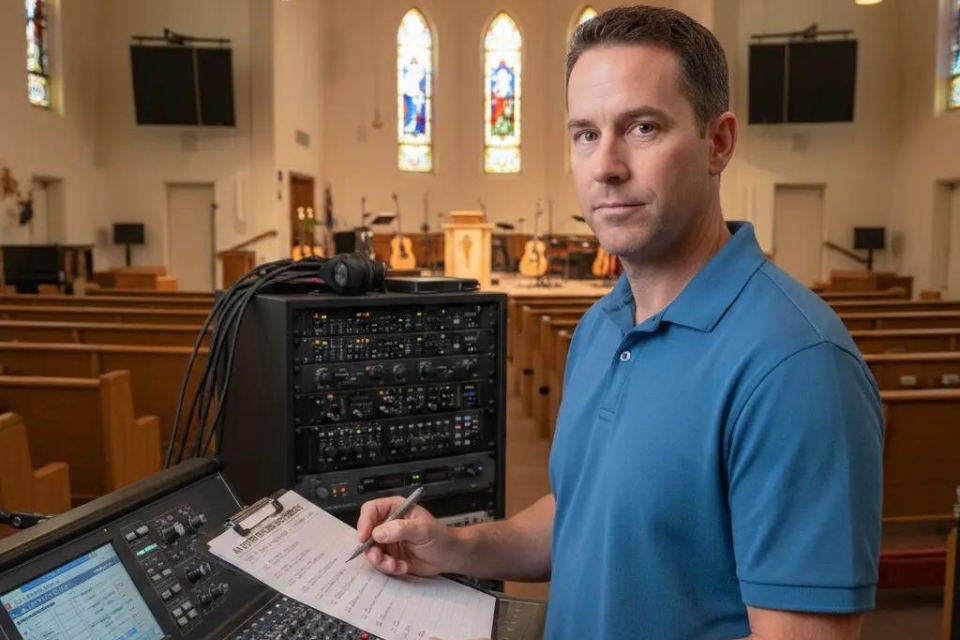
At Hoang Bao Khoa, system consultation always starts with understanding how the church will use the audio system before recommending specific products.
Even with the same investment budget, different churches often require different solutions. Some projects prioritize clear speech for sermons, while others focus on supporting large congregations during major celebrations.
A successful church sound system is not determined by the number of loudspeakers or the price of the equipment. It is defined by how well the complete solution matches the church's real needs, ensuring reliable performance for many years to come.