In many churches and chapels, gooseneck microphones are commonly used at lecterns, ambo (pulpits for Scripture reading), and fixed speaking positions. Although their design is simple, selecting the right gooseneck microphone directly affects speech intelligibility, aesthetics, and the overall stability of the audio system.
Why Gooseneck Microphones Are Widely Used in Churches
Unlike handheld microphones or wireless Microphones, gooseneck microphones are designed to be permanently installed in a fixed position.
This solution brings many benefits in a liturgical environment:
- Maintains a sense of reverence at the sanctuary
- Reduces the need to handle equipment during scripture reading
- Ensures a stable pickup position
- Creates a neat and professional church space
This is why almost all modern church installations use gooseneck Microphones at reading desks or speaking areas.
Clarity Is the Most Important Factor
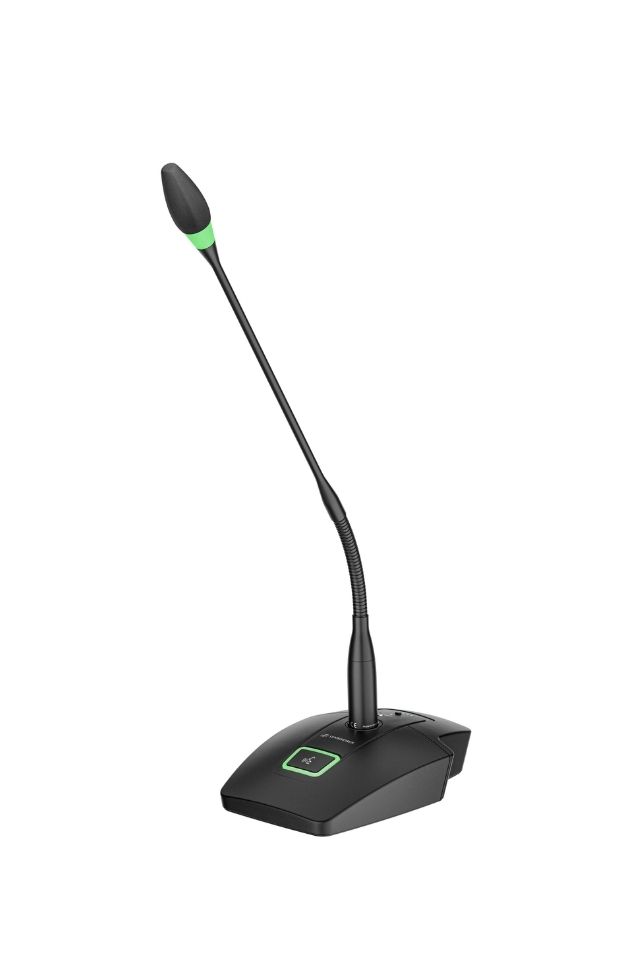
In the process of consulting church sound solutions, the technical team at Hoang Bao Khoa has observed that many setups focus on Microphone length or external design, while overlooking the most important factor: speech clarity.
Scripture readers are often not professional microphone users like singers or speakers. Therefore, the Microphone must maintain stable capture even when the distance between mouth and microphone slightly changes during reading.
A suitable Microphone should deliver clear, intelligible, and natural speech to the entire congregation.
Feedback Rejection Is an Essential Requirement
Church environments typically have strong reverberation, and loudspeaker systems are installed to cover large areas.
If the microphone does not have appropriate pickup characteristics or is installed incorrectly, the risk of feedback (howling) increases significantly.
A quality gooseneck microphone should have:
- Proper polar pattern design
- Good feedback rejection
- Sensitivity optimized for speech environments
This helps reduce operational pressure and minimizes issues during liturgical services.
Does Microphone Length Matter?
The answer is yes. However, microphone length should not be chosen subjectively.
If the microphone is too short, the reader must lean in closely to achieve sufficient volume.
If it is too long, it may obstruct visibility or affect the aesthetics of the lectern.
Typically, selection should be based on:
- Lectern height
- User positioning distance
- Overall sanctuary architecture
This is why hoang bao khoa always conducts on-site surveys before recommending suitable solutions for each project.
Durability and Operational Stability
Unlike short-term events, church sound systems operate continuously for many years.
Therefore, gooseneck microphones must meet the following requirements:
- Stable operation over long periods
- Consistent signal quality
- Easy maintenance
- High resistance to frequent usage
Choosing high-quality equipment from the beginning helps reduce maintenance and replacement costs in the long term.
Are Bizcom Gooseneck Microphones Suitable for Churches?
In the segment of fixed-installation gooseneck microphones, Bizcom is one of the solutions widely considered.
Bizcom gooseneck microphones are appreciated for:
- Design suitable for fixed installation
- Clear speech reproduction
- Simple operation
- Cost-effective investment
For many church and chapel projects, this solution effectively supports spoken-word transmission in regular liturgical activities.
Don’t Just Choose a Microphone, Choose the Right Solution
A high-quality microphone delivers the best results only when properly positioned and integrated into a well-designed sound system.
In reality, many issues are not caused by the equipment itself but by system layout or improper tuning.
That is why site surveys and acoustic evaluation are essential STEPS before making any investment decisions.
Conclusion
Gooseneck microphones are small devices but play a crucial role in church sound systems. Choosing the right product improves speech clarity, reduces feedback risk, and enhances the reverent atmosphere of the worship space.
With experience in providing church and chapel sound solutions, Hoang Bao Khoa always recommends selecting microphones based on real usage needs, project characteristics, and long-term operation rather than price or appearance alone.