Both analog mixers and digital mixers serve as the central hub of an audio system. However, these two types of mixers differ significantly in their operating methods, signal processing capabilities, and practical applications.
What is an Analog Mixer? Operating Principle and Practical Advantages
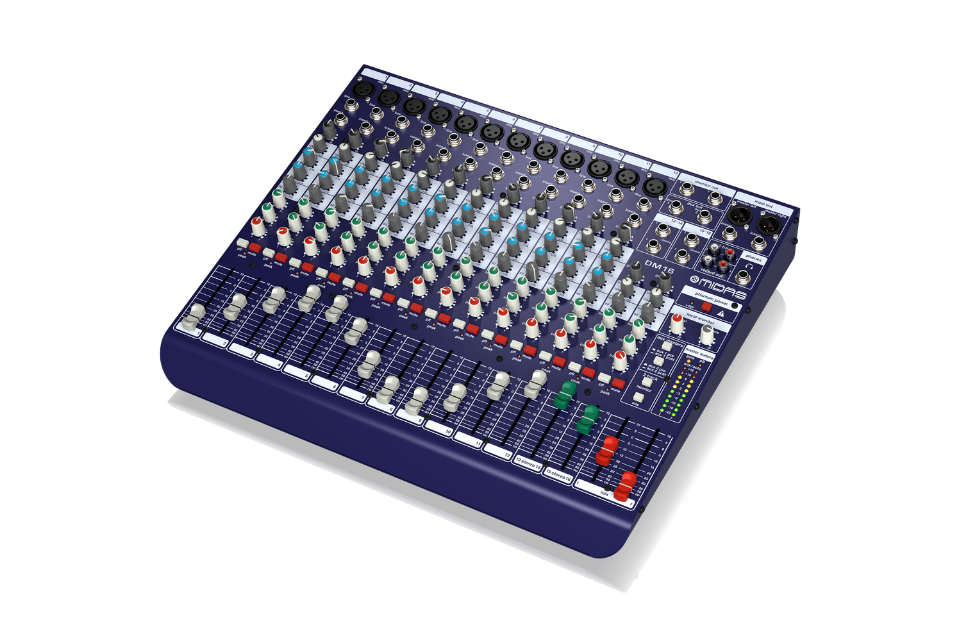
An analog mixer is an audio mixing console that operates based on traditional analog signal processing circuits, where audio signals are transmitted and processed directly as continuous electrical signals.
In practical applications, analog mixers are preferred by many audio technicians thanks to the following characteristics:
- Intuitive operation, easy to use
Each function such as Gain, EQ, Pan, and Fader has its own physical control knob, allowing users to operate quickly and easily control the audio signal.
Since it does not rely on software or operating systems, technical issues during operation are minimized.
Many sound engineers believe that analog signals provide a warmer, more natural, and pleasant sound.
- Suitable for small and medium-scale sound systems
Analog mixers are commonly used in:
- Acoustic coffee shops
- Music lounges
- Conferences
- Small live performance sound systems
However, analog mixers are often limited in advanced signal processing capabilities and do not offer configuration memory functions.
What is a Digital Mixer? Processing Capabilities and Technological Advantages
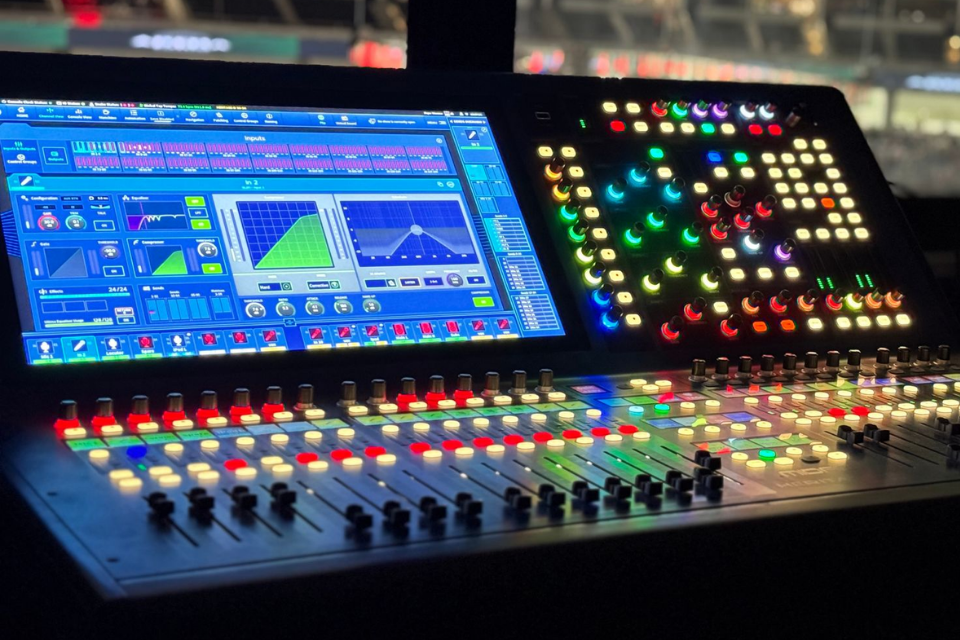
A digital mixer uses Digital Signal Processing (DSP) technology to analyze and process audio signals. As a result, the device can integrate many advanced processing tools within a compact system.
In modern sound systems, digital mixers offer many advantages:
- Integrated signal processing tools
A digital mixer may include:
- Multi-band EQ
- Compressor
- Gate
- Delay
- Reverb
- Feedback suppression
- Quick configuration storage and recall
Digital mixers allow presets to be saved for different programs, enabling technicians to restore the entire setup within seconds.
Many digital mixers support remote control via tablets, laptops, or smartphones through LAN or WiFi networks.
- Management of large-scale sound systems
Thanks to powerful processing capabilities, digital mixers are commonly used in:
- Professional live performance stages
- Churches
- Bars
- Clubs
- Large auditoriums
- Events and live shows
Therefore, digital mixers are becoming an increasingly popular trend in modern Professional Audio systems.
Comparing Analog Mixers and Digital Mixers in Real-World Applications
When selecting a mixer for an audio system, users should understand the fundamental differences between these two technologies.
- 1. Operation method
- Analog mixer: Direct control via physical knobs, easy for beginners
- Digital mixer: Controlled through screens and software, requiring some initial learning time
- 2. Signal processing capability
- Analog mixer: Basic signal processing with limited built-in effects
- Digital mixer: Powerful DSP integration with advanced audio processing tools
- 3. Configuration storage
- Analog mixer: Cannot store presets
- Digital mixer: Can save and recall configurations quickly
- 4. Application scale
- Analog mixer: Suitable for small and simple systems
- Digital mixer: Suitable for large and professional audio systems
In practice, there is no absolute best mixer. The right choice depends on the intended use, system scale, and the operator's experience.
Choosing the Right Mixer for an Audio System
To select an efficient mixer while optimizing investment costs, users should consider the following factors:
- Room size and sound system scale
- Number of Microphones and musical instruments used
- Required signal processing level
- Operator's technical capability
- Future system expansion possibilities
In many cases, choosing the right mixer from the beginning helps ensure stable system operation, easier control, and better overall sound quality.
If you need detailed consultation on analog mixer or digital mixer solutions for stages, coffee shops, auditoriums, or performance systems, you can seek advice from the technical team at Hoang Bao Khoa. With extensive experience in deploying Professional audio systems, the team can recommend equipment configurations that match your needs and budget.