In live sound, studio, and professional performance systems, signal noise when connecting sources to a mixer is a very common issue. The audio may contain hum, buzz, signal loss, or reduced detail even though the equipment itself is functioning normally.
In many cases, the problem does not originate from the mixer, but from the way the signal is transmitted throughout the system. This is why a DI box has become an essential device in modern professional audio setups.
Common Causes of Noisy Signals When Connected to a Mixer
Not every audio signal can be connected directly to a mixer while still maintaining stable performance.
Several common technical issues can cause signal noise, including:
- Unbalanced signals from guitars, basses, or keyboards are more susceptible to noise over long cable runs
- Impedance mismatch between the source device and mixer can cause signal loss
- Complex electrical systems may create ground loops and unwanted hum noise
- Long signal cables increase the risk of electromagnetic interference
- Stage environments with high-power equipment can affect signal transmission quality
These are very common issues in real-world applications, especially in live stages, auditoriums, and professional sound systems.
How Does a DI Box Process Audio Signals?
A DI Box is designed to convert unbalanced signals into balanced signals before sending them to the mixer.
This process helps stabilize the signal and significantly reduces the risk of noise during transmission.
A quality DI Box performs several important functions within an audio system:
- Converts signals to balanced format for more stable long-distance transmission
- Matches impedance between instruments and mixers
- Reduces electromagnetic interference within the audio system
- Minimizes hum noise through the ground lift function
- Keeps the signal cleaner and clearer before entering the mixer
DI Boxes from Klark Teknik are widely chosen by audio engineers thanks to their stable signal handling, durable construction, and suitability for real-world operating environments.
Why Are Klark Teknik DI Boxes Widely Used in Professional Systems?
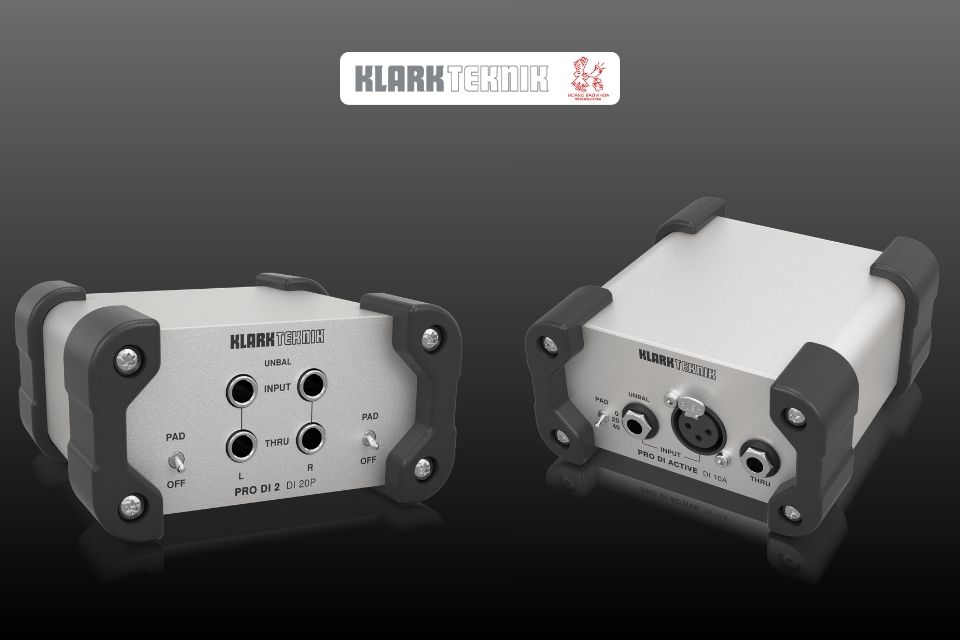
In modern audio systems, DI Boxes are no longer considered optional accessories but an essential part of the signal chain.
Products such as the DN100 and DN200 from Klark Teknik are highly regarded for several advantages:
- Effective noise rejection in stage environments
- Clean and stable output signals
- Rugged design suitable for touring and live shows
- Reliable operation over extended periods
- Easy integration into various audio system configurations
When the input signal is processed correctly, the entire mixer and speaker system behind it performs more efficiently, helping maintain clarity and stability throughout operation.
Conclusion
Noisy signals when connected to a mixer are often caused by transmission issues, impedance mismatch, and electrical interference within the system.
These are very common technical problems that are frequently overlooked during audio setup.
- Reduce noise and minimize signal loss
- Ensure cleaner and more stable audio signals
- Optimize performance for Professional Audio systems
Using the right DI Box not only improves signal quality but also enhances the overall efficiency of the entire sound system in real-world applications.
For systems requiring high stability, choosing solutions from Klark Teknik along with consultation from Hoang Bao Khoa can help optimize system performance and minimize common operational risks.