Interestingly, many church sound systems do not fail suddenly but instead gradually “lose performance” over time. Because the change is very slow, users often do not notice it. It is only when congregants begin to report that “speech is no longer as clear as before,” or when the sound operator needs more time to adjust the system for each Mass, that attention is drawn back to the system.
In many cases, the issue is not that the equipment has reached the end of its lifespan, but rather that it has been operated and maintained improperly over time.
Audio Quality Can Change Even When Equipment Is Still Operating
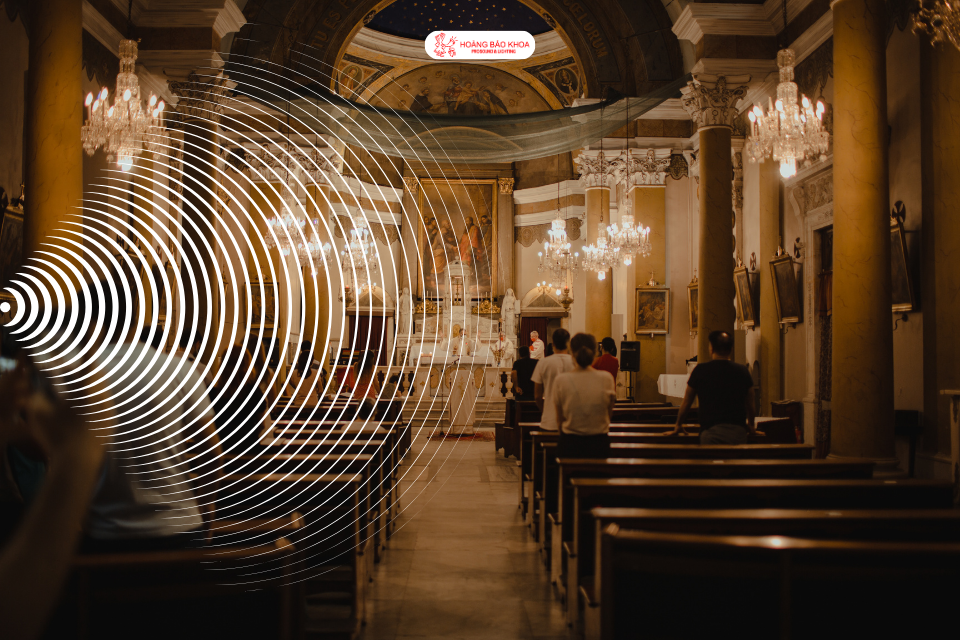
Many people assume that as long as speakers produce sound and Microphones are still functioning, the audio system is operating properly. However, in reality, sound quality is not determined solely by whether equipment is working, but by the overall stability and performance of the entire system.
After a long period of operation, an audio system may develop small but cumulative changes that directly affect sound quality:
- Signal connectors become oxidized, reducing transmission stability
- Audio cables degrade over time, causing signal loss or interference
- Cooling fans and ventilation slots accumulate dust, leading to higher operating temperatures
- Settings on the mixer or signal processor may gradually change after repeated use
- Speakers and microphones experience performance degradation due to natural component aging
Individually, these factors may seem minor, but when combined, they can significantly reduce overall audio quality. This is why many parishes feel that their system is “not as good as before,” even though no equipment has completely failed.
Regular Maintenance Is More Than Just Fixing Problems
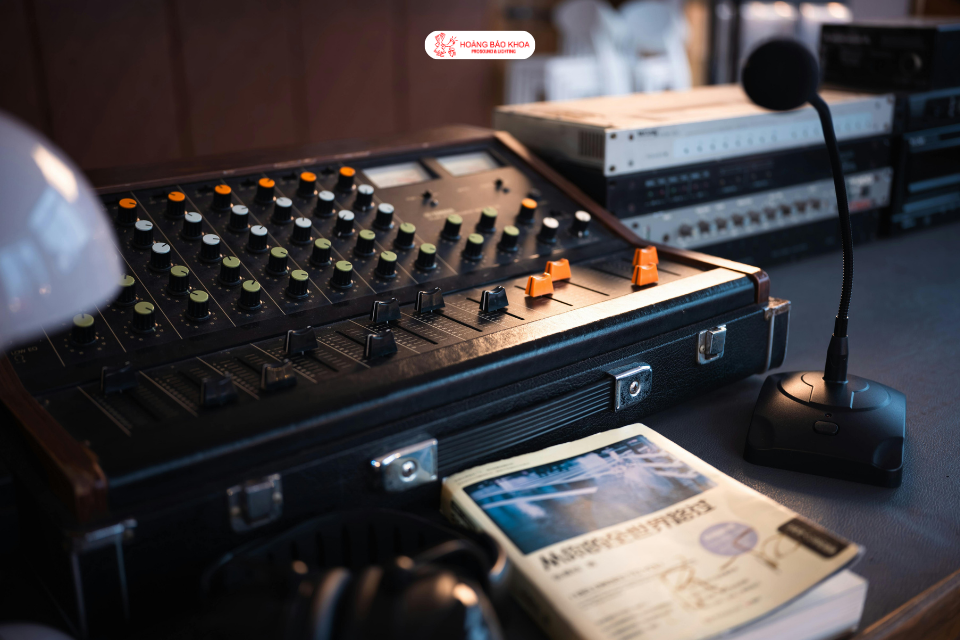
Many organizations tend to inspect their systems only when a problem occurs. However, regular maintenance plays a much more important role: it helps detect early signs of degradation before they impact audio quality or lead to serious failures.
A standard maintenance process typically includes:
- Evaluating the overall operating condition of all equipment
- Checking signal connections and power supply systems
- Cleaning equipment to ensure proper heat dissipation
- Assessing sound quality across different areas of the church
- Re-calibrating the system when changes are detected during operation
In many cases, a single maintenance and recalibration session can significantly improve system performance without requiring any new equipment investment. This helps optimize costs while extending the overall lifespan of the system.
At Hoang Bao Khoa, alongside providing and implementing church audio solutions, the technical team also recommends that parishes establish regular inspection schedules. This simple yet effective approach helps maintain stable sound quality and reduces unnecessary operational costs.
Conclusion
A church audio system is not only about proper installation but also about proper long-term maintenance. When sound quality gradually declines over time, it does not necessarily mean the equipment is faulty—it may indicate that the system needs inspection and recalibration.
Establishing a regular maintenance plan helps parishes detect issues early, maintain clear sound for the congregation, and ensure long-term investment efficiency.