In church sound projects, buildings with high ceilings and long reverberation times present some of the greatest challenges for system designers and installers. These characteristics are common in many Catholic churches, particularly those featuring Gothic architecture, vaulted ceilings, or large open worship spaces. See more at this articles
Why High-Ceiling Churches Often Experience Excessive Reverberation
Unlike auditoriums or meeting rooms, churches typically feature:
- Very high ceilings.
- Long interior spaces.
- Concrete or stone walls.
- Numerous sound-reflective surfaces.
- Limited sound-absorbing materials.
These characteristics cause sound WAVES to reflect continuously throughout the space, reducing speech intelligibility during sermons and liturgical readings. Therefore, when designing a church audio system, combining suitable equipment with acoustic treatment solutions is highly recommended.
.jpg)
What Does a Church Audio System for Reverberant Spaces Require?
An effective system requires more than high power output. It must also deliver clear and intelligible speech. In most cases, a complete church audio system includes:
- Main loudspeakers.
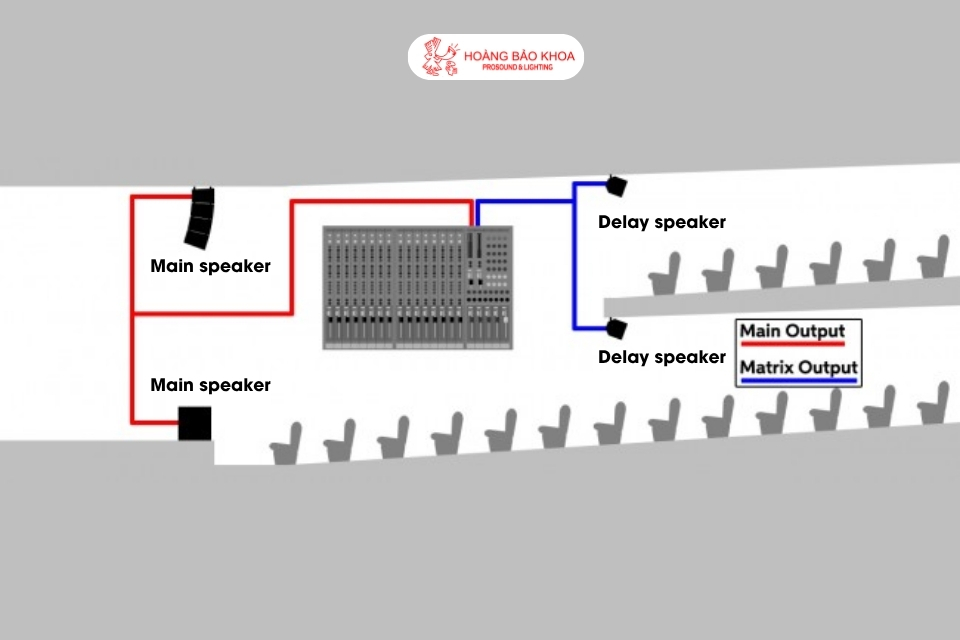
- Delay loudspeakers.
- Lectern Microphones.
- Wireless microphones for the celebrant.
- A central control mixer.
- DSP signal processing.
- Amplifiers and connection accessories.
Each component plays a specific role in optimizing audio performance. Depending on the church's size and architectural design, configurations may vary and may not require every item listed above.
Selecting the Right Loudspeakers for High-Ceiling Churches
In highly reverberant environments, choosing the proper loudspeaker is often more important than increasing power levels. Common solutions include:
- Directional column loudspeakers.
- Installed Line-Array systems.
- Zoned loudspeaker configurations.
- Delay loudspeaker systems for distant seating areas.
These loudspeaker types help focus sound toward listeners rather than dispersing excessive energy toward ceilings and reflective surfaces. In addition, for churches extending several dozen meters in length, relying solely on main loudspeakers is often insufficient to provide consistent coverage.
Delay loudspeakers help to:
- Reduce volume differences between seating zones.
- Improve intelligibility in distant areas.
- Minimize the need for excessive main speaker output.
- Create a more consistent listening experience.
Which Microphones Are Suitable for Reverberant Churches?
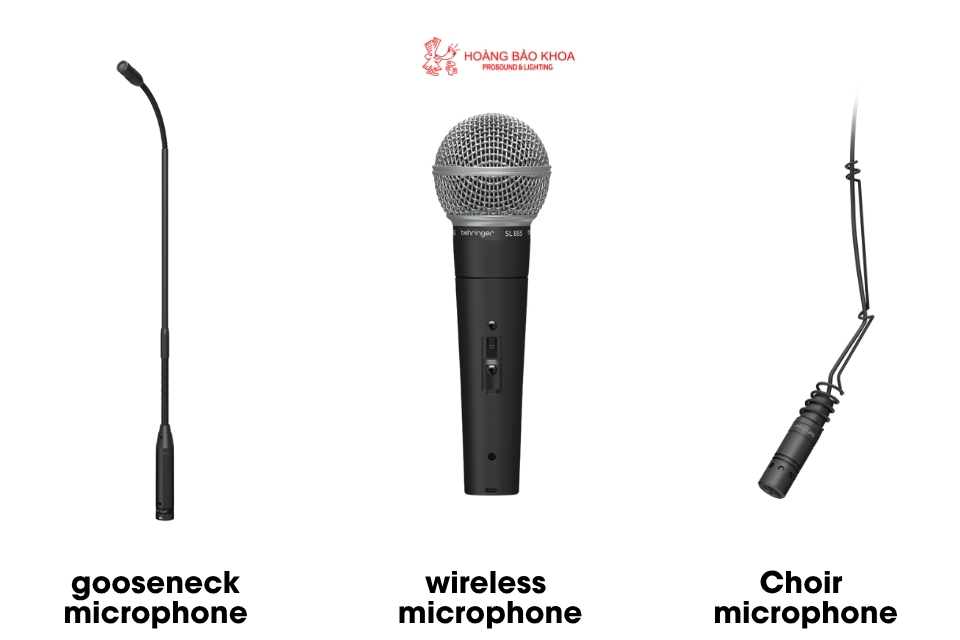
Microphones directly influence overall system performance. Selecting microphones appropriate for the application helps reduce unwanted reflected sound entering the system. Common choices include:
- Gooseneck microphones for lecterns.
- Wireless, wired, or lavalier microphones for the celebrant.
- Dedicated choir microphones.
The Role of DSP in Reverberant Church Environments
DSP (Digital Signal Processor) has become an essential component in modern church audio projects, helping systems operate reliably within acoustically challenging spaces. DSP supports:
- Speech-focused EQ optimization.
- Reduction of frequency resonances.
- Microphone feedback suppression.
- Delay loudspeaker timing alignment.
- Improved speech intelligibility.
Common Mistakes When Installing Audio Systems in High-Ceiling Churches
- Selecting high-power loudspeakers without considering coverage patterns.
- Not using DSP signal processing.
- Ignoring acoustic treatment solutions.
- Failing to incorporate delay loudspeaker systems.
- Improper microphone and loudspeaker placement.
These are among the most common reasons why systems fail to perform as expected. Working with experienced professionals during product selection and system setup helps ensure optimal performance from the beginning.
.jpg)
In Vietnam, Hoang Bao Khoa provides site surveys, system design, and church audio implementation services for projects of various sizes. In addition to church audio solutions, Hoang Bao Khoa also delivers auditorium sound systems, stage audio systems, audio consulting, lighting consulting, and lighting solutions for schools, businesses, and government organizations nationwide.
Frequently Asked Questions About High-Ceiling Church Audio Systems
Why Are High-Ceiling Churches Often More Difficult to Hear Clearly?
Because sound reflects repeatedly from ceilings and walls, creating prolonged reverberation that reduces speech intelligibility.
Can DSP Improve Audio Performance in Reverberant Churches?
Yes. DSP helps optimize EQ settings, suppress feedback, control resonances, and improve loudspeaker system synchronization.