In the professional audio industry especially for large-scale outdoor events, concerts, music festivals, or long-term touring shows choosing the right touring loudspeaker system is a key factor that determines overall sound quality. For touring stage speakers, high output alone is not sufficient; they must also deliver stable performance, even sound coverage, and flexible operation under constant transportation and setup conditions. One of the typical solutions for this application is touring Line Array systems, such as the FBT Myra loudspeaker series.
1. Speaker systems and power requirements for live touring stages
The first requirement of a touring speaker system is sufficient power and sound coverage suitable for the scale of the event. For large stages or outdoor venues, touring line array speaker systems are almost mandatory.
Key advantages of touring Line Array speakers include:
- Even sound coverage from the front to the far end of the audience area
- Excellent directional control, minimizing energy loss
- Clear vocals and detailed instrument reproduction at high SPL levels
Systems such as Myra FBT speakers are designed to meet these requirements, making them suitable for events with hundreds to thousands of audience members.
2. Signal processing and amplification for touring speaker systems
A professional touring speaker system cannot operate effectively without proper signal processing equipment. This is especially critical when using passive touring speakers such as Myra speakers.
Essential components include:
- PA mixers for controlling Microphones, instruments, and playback signals
- Signal processors (EQ, crossover, limiter, DSP) for system tuning and protection
- High-power amplifiers with sufficient headroom to ensure stable speaker performance
Providing adequate power and correct signal processing helps touring stage speakers avoid distortion, voltage drops, and overload during long continuous performances.
3. Speaker placement and sound coverage for touring stages
Speaker placement directly affects the performance of a touring speaker system, particularly for outdoor stages or open spaces.
When deploying touring speakers, key considerations include:
- Flying speakers at sufficient height to avoid obstacles and ensure proper coverage
- Accurately adjusting line array angles to evenly cover the audience area
- Avoiding direct alignment of main speakers toward microphones to reduce feedback
With Myra speaker systems, the rigging design and adjustable array angles allow technicians to adapt easily to different venues and performance locations.
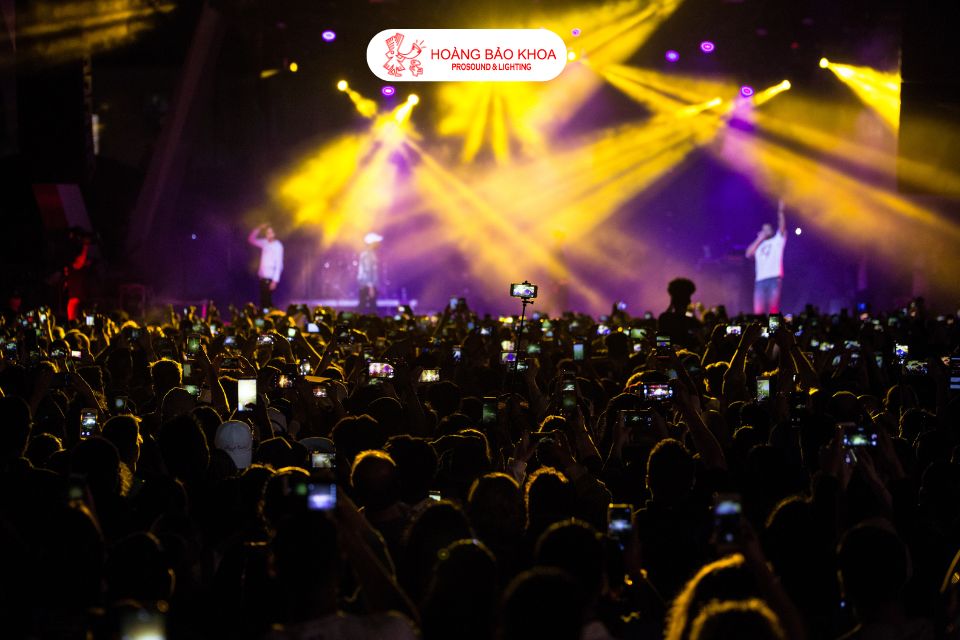
4. Subwoofers and monitors in touring speaker systems
Subwoofers
For energetic music programs, touring speaker systems require high-power subwoofers to reproduce deep and solid low frequencies. Subwoofers add fullness to the system and deliver a true concert-grade listening experience.
Stage monitors
Stage monitors are an essential part of any touring stage audio system. They allow performers to hear themselves clearly, reduce reliance on reflections from the main speakers, and help minimize feedback.
5. Stable power supply and technical safety
In touring environments, power sources are often unstable and subject to fluctuations. Therefore, a touring speaker system requires:
- A power supply capable of handling the load of speakers, amplifiers, and processing equipment
- Voltage stabilizers, UPS, or backup generators
- Proper grounding and safe cable management
These are mandatory conditions to ensure touring speakers operate safely and reliably throughout the event.
6. Mobility and fast setup capability
A defining characteristic of touring speaker systems is quick installation and dismantling. This saves time and manpower and is essential for tight touring schedules.
Myra FBT speaker systems are designed to touring standards with:
- Quick-connect modular array design
- Integrated and compatible rigging accessories
- Robust construction to withstand transportation and frequent handling
7. Quality standards for touring speaker systems
A professional touring stage speaker system must meet the following criteria:
- Powerful and consistent SPL across the entire audience area
- Balanced frequency response with clear vocals and instruments
- Even sound coverage with no dead zones
- Stable performance over long operating periods
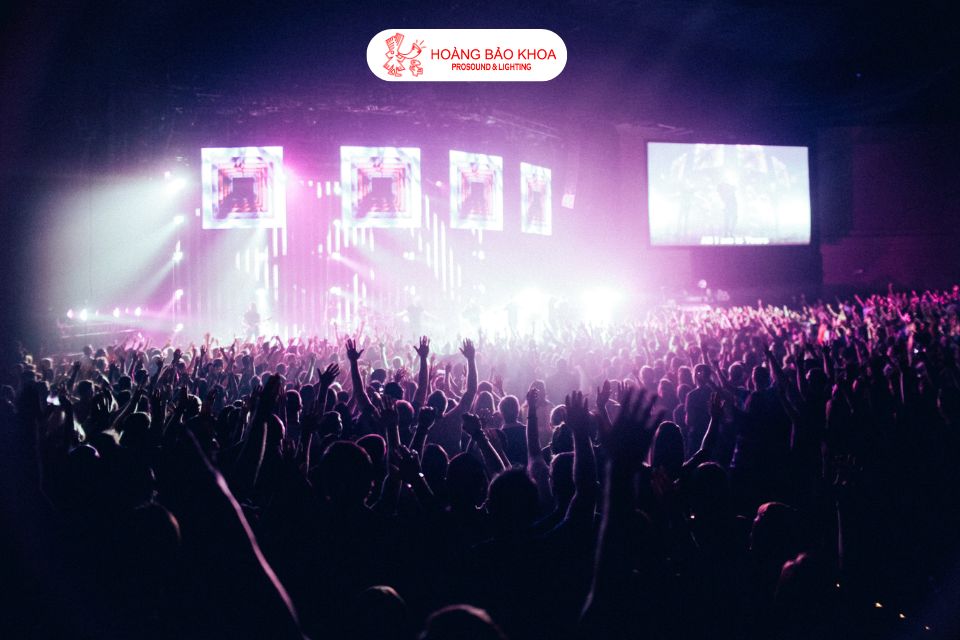
Conclusion: conditions for effective touring speaker system operation
For a touring speaker system to operate to professional standards, it requires more than just high-power speakers such as Myra speakers. Proper signal processing, stable power supply, correct system deployment, subwoofers, stage monitors, and high mobility are all essential factors. When these conditions are met, touring speakers deliver powerful, consistent sound quality suitable for all professional live performance stages.