When discussing a church sound system, many people immediately think of loudspeakers. In reality, however, loudspeakers are only one part of the overall system.
A well-designed church audio system should do more than simply provide sufficient volume. It must ensure that congregants in every seating area can clearly hear scripture readings, sermons, and all elements of the liturgy. This is especially important in churches with large spaces, high ceilings, and significant reverberation, where proper equipment selection is often more critical than investing in expensive equipment alone.
So, what components are typically included in a complete church sound system?
Microphones - The Starting Point of Every Sound System
High-quality audio output can never be achieved if the input signal is compromised.
In church environments, different areas require different Microphone solutions to meet specific needs.
Microphones for the Choir
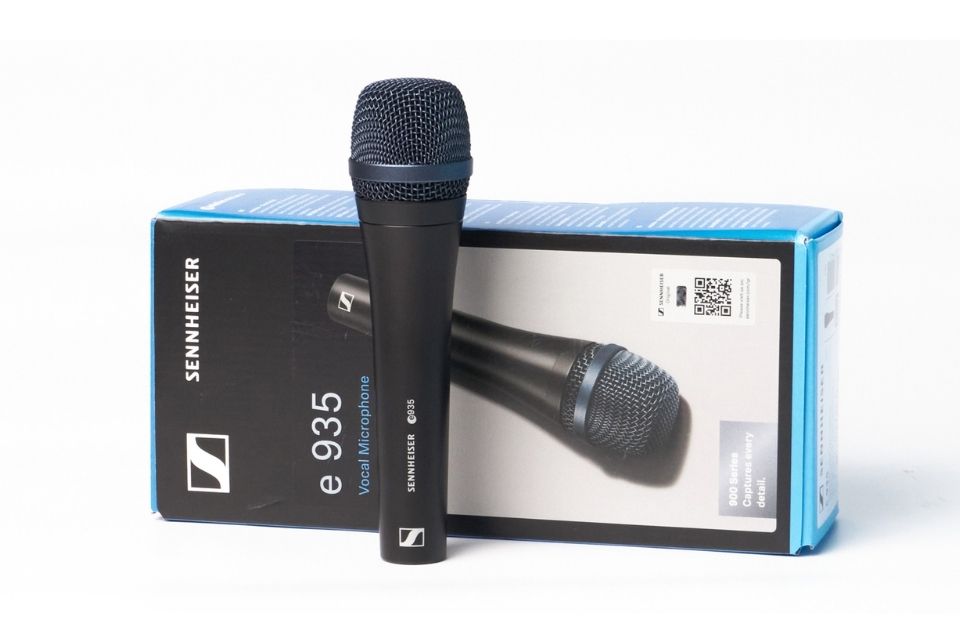
The choir is often the primary source of music during Mass. Therefore, microphones must be capable of reproducing vocals naturally, clearly, and with excellent feedback resistance.
Many parishes today prefer wired Sennheiser Microphones because of their reliability, accurate sound capture, and long-term durability.
Microphones for the Celebrant
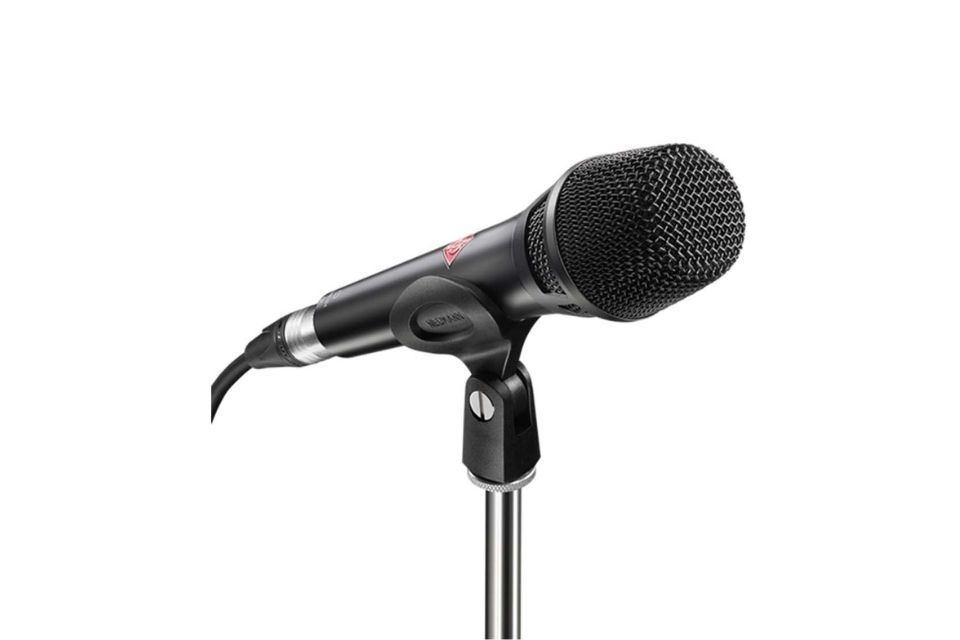
Unlike choir applications, spoken-word reinforcement during sermons requires exceptional speech intelligibility.
In many modern church sound systems, Sennheiser wireless microphones combined with Neumann KMS capsules are selected to deliver clear, natural, and expressive speech to the congregation.
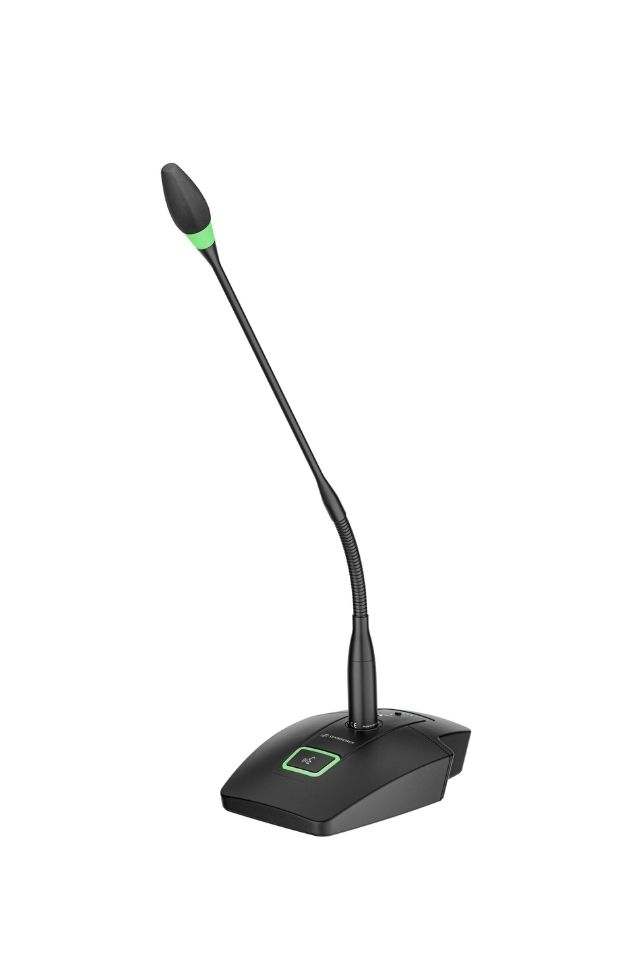
For scripture readings and liturgical announcements, gooseneck microphones are often the most suitable solution.
Their elegant design, aesthetic appearance, and focused pickup pattern allow readers to speak comfortably without holding a microphone while maintaining consistent sound quality.
Mixers - The Control Center of the System
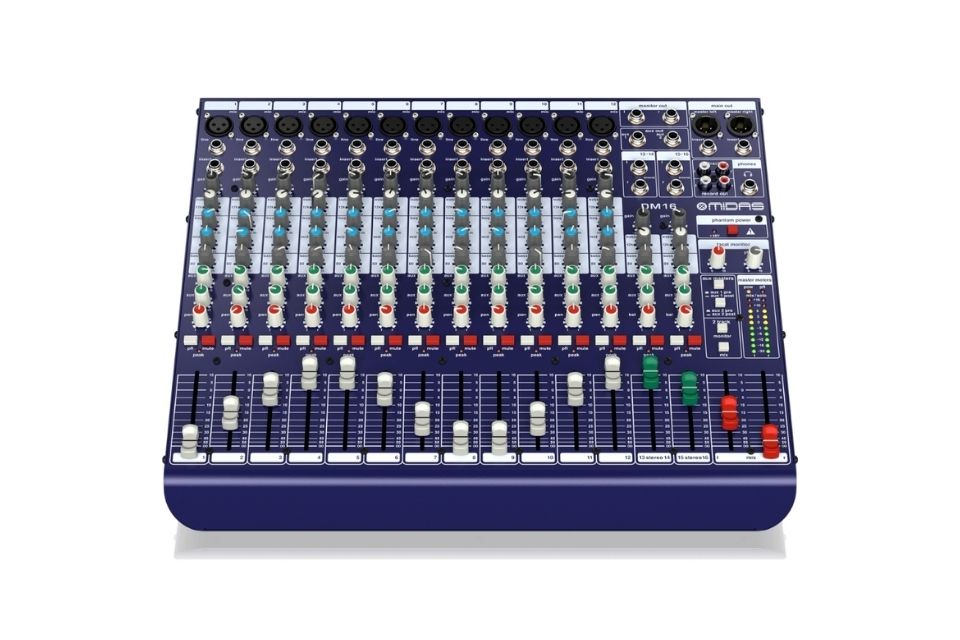
If Microphones capture sound, the mixer serves as the “brain” of the entire audio system.
All signals from microphones, background music, and other audio sources are routed to the mixer for processing before being sent to the loudspeakers.
A suitable mixer helps:
- Adjust volume levels for different areas
- Balance vocal tone and clarity
- Manage choir audio signals
- Reduce audio distortion
For churches with multiple audio sources, the mixer plays a critical role in maintaining consistent sound quality throughout the system.
DSP Processors - The “Gatekeeper” of Speech Intelligibility
One common mistake is investing in high-quality loudspeakers and microphones while overlooking signal processing equipment.
A DSP (Digital Signal Processor) helps to:
- Suppress Microphone feedback
- Optimize equalization (EQ)
- Control frequencies that cause excessive reverberation
- Synchronize timing between loudspeaker zones
For long church buildings or systems with multiple speaker zones, DSP processing can significantly improve speech clarity and the overall listening experience of the congregation.
Loudspeaker Systems - The Key to the Listening Experience
Loudspeakers are the components that directly deliver sound to the congregation.
However, in church environments, the most important factor is not raw power output but rather even sound coverage and clear speech reproduction.
Fixed Installation Loudspeakers
These are the most common choice for permanent installations.
Professional installation speakers are designed for long-term reliability and coverage patterns that suit church architecture.
Column Loudspeakers
In highly reverberant spaces, column speakers often provide superior performance thanks to their ability to control vertical sound dispersion.
This approach helps reduce reflections from ceilings and improves speech intelligibility throughout the venue.
FBT and TANNOY Loudspeakers in Church Projects
Many church projects choose FBT loudspeakers or TANNOY installation speakers because of their excellent speech reproduction, consistent coverage, and proven reliability.
However, selecting the right brand should always be based on the size, architectural characteristics, and practical requirements of each individual project.
Equipment Is Only Part of the Solution
An effective church sound system is not determined solely by the number of devices or the overall investment value.
More importantly, success depends on the integration of all system components, including microphones, mixers, DSP processors, and loudspeakers.
Even premium equipment may fail to perform optimally if it is installed incorrectly or not properly tuned to the acoustic characteristics of the building.
Conclusion
A complete church sound system is a combination of multiple components, each serving a specific purpose.
From choir microphones, sermon microphones, and lectern microphones to mixers, DSP processors, and loudspeaker systems, every element must be carefully selected and integrated to achieve the most important goal: helping the congregation clearly hear every word of the liturgy.