Many churches encounter a common situation: standing near the choir, the singing sounds rich, balanced, and inspiring. However, once the sound is amplified through the church audio system, much of that natural quality seems to disappear. The result may sound thinner, less balanced, or lacking the harmony that listeners hear directly from the choir area.
This often leads people to believe that the choir needs more practice or that the audio equipment is not good enough. In reality, the issue is frequently related to how the sound system captures and reproduces the choir’s performance.
Choir Sound Depends on More Than Vocal Ability

A talented choir is essential, but vocal performance alone does not guarantee excellent sound throughout the church.
Unlike a solo vocalist, a choir consists of multiple voice sections singing together. The challenge for any sound system is to capture this blend accurately. When Microphones fail to pick up all sections evenly, the amplified sound can differ significantly from the natural performance.
During church audio assessments, several common issues are often identified:
- Microphones positioned too close or too far from the choir
- Uneven pickup between vocal sections
- Poor choir placement within the sanctuary
- Inadequate mixer adjustments
- Loudspeaker systems optimized for speech rather than music
Any of these factors can reduce sound quality, even when the choir itself performs exceptionally well.
Microphone Placement Makes a Significant Difference
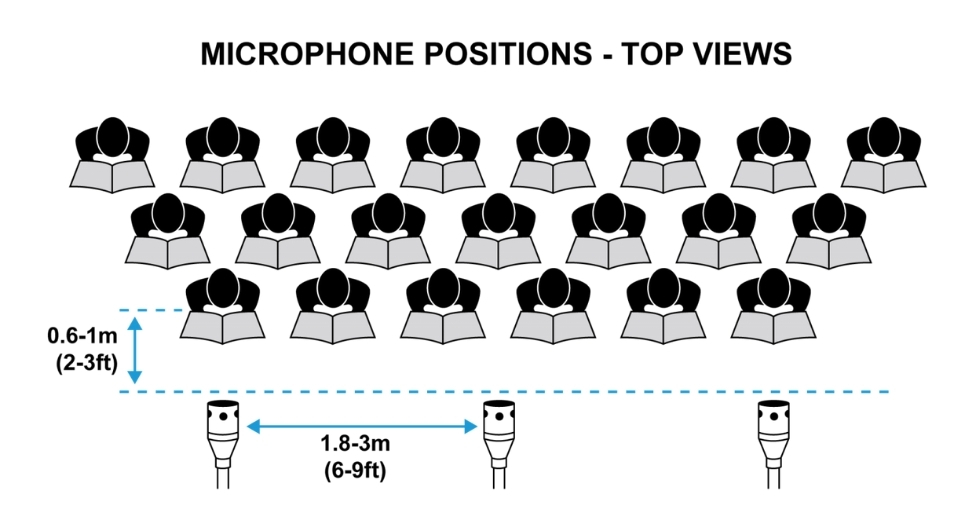
In many situations, adjusting microphone placement produces more noticeable improvements than purchasing additional equipment.
The objective is not to capture each individual singer separately but to reproduce the unified sound of the entire choir. For this reason, selecting the appropriate Microphone type and positioning it correctly are critical factors.
Many churches choose wired Sennheiser microphones for choir applications because of their natural vocal reproduction and long-term reliability.
However, even high-quality Microphones cannot compensate for poor placement. Improper positioning may lead to:
- Certain voice sections dominating the mix
- Other sections becoming difficult to hear
- Reduced depth and warmth
- Greater difficulty balancing the overall mix
This is why on-site testing and system evaluation remain important parts of any church audio project.
Choir Performance Must Be Considered Within the Entire Audio System
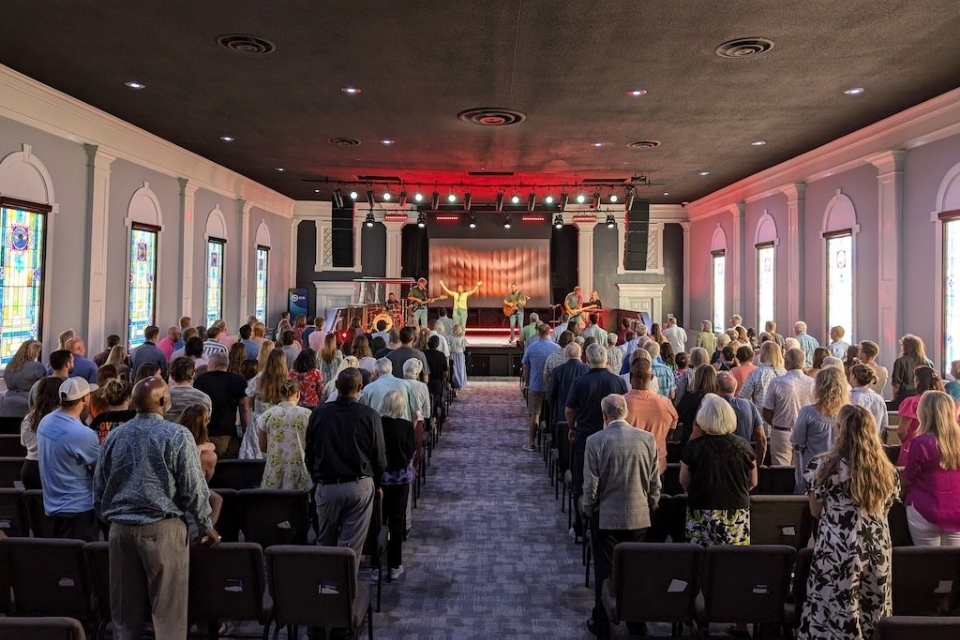
Choir sound should never be treated as a standalone element. It must work together with every other component in the church audio system.
For example, the sanctuary may use Sennheiser wireless microphones with Neumann KMS capsules for clergy, Bizcom gooseneck Microphones for scripture readings, and loudspeaker systems from TANNOY or FBT. The choir system should be integrated and adjusted to complement these elements rather than compete with them.
A properly designed system allows the congregation to hear sermons, scripture readings, and sacred music clearly while maintaining balance between all audio sources.
Professional consultation typically begins with an assessment of the church space, choir location, choir size, and existing audio infrastructure. This process helps identify the most effective solution while maximizing investment value.
Conclusion
When a choir sounds excellent in person but disappointing through the speakers, the problem is not always related to vocal performance or equipment quality.
In many cases, Microphone placement, system tuning, and overall audio design have a greater impact on the final result.
A properly engineered solution helps preserve the choir’s natural harmony and delivers a more engaging worship experience for the entire congregation.