A common situation in many churches is that a different person operates the sound system for each Mass. One person increases the gain, another adjusts the EQ, while someone else changes effects or modifies volume levels based on personal preference. These adjustments may seem minor at first, but over time, the system can become difficult to control and sound quality may no longer remain consistent.
So, is the problem with the mixer itself, or with the way the system is operated?
Mixer Does Not “Lose Quality” by Itself, It Happens Because Settings Are Constantly Changed
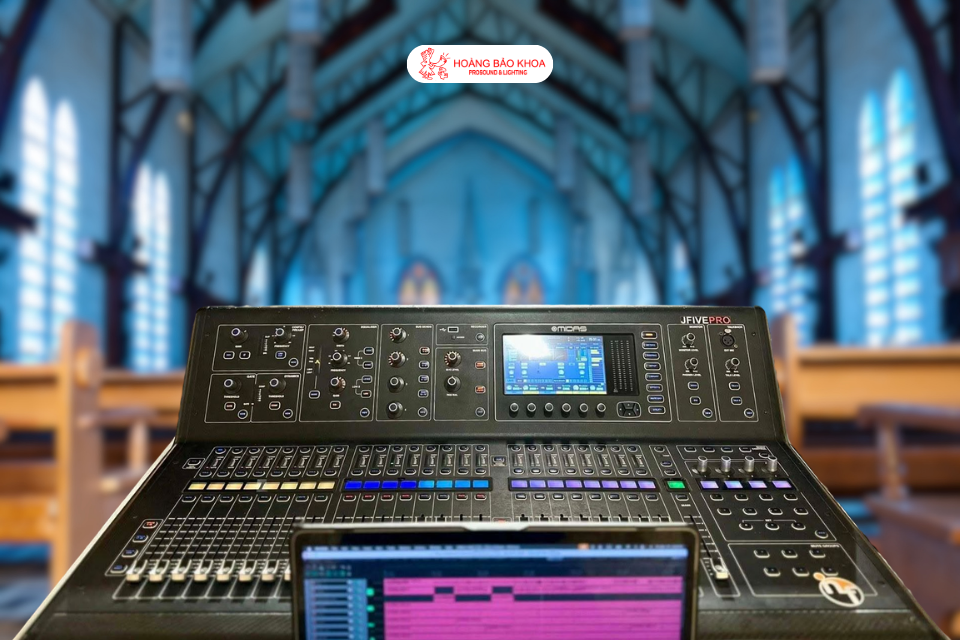
After an audio system has been properly calibrated, the gain, EQ, and volume levels are usually adjusted to match the characteristics of the Church environment. However, if these parameters are frequently changed without a consistent control process, the sound quality may vary depending on each person operating the system.
This can easily result in situations such as:
- The Mass sounds clear today but becomes difficult to hear the following week
- The choir volume becomes too loud while the priest’s voice becomes too quiet
- The Microphone experiences feedback issues even though the equipment remains unchanged
- Sound levels between different areas of the Church are no longer balanced
Many churches assume that the equipment has become outdated or damaged. However, in many cases, the actual cause is simply that the original settings have been modified. Restoring the standard configuration can help the system return to stable performance.
A Consistent Operating Procedure Is Necessary
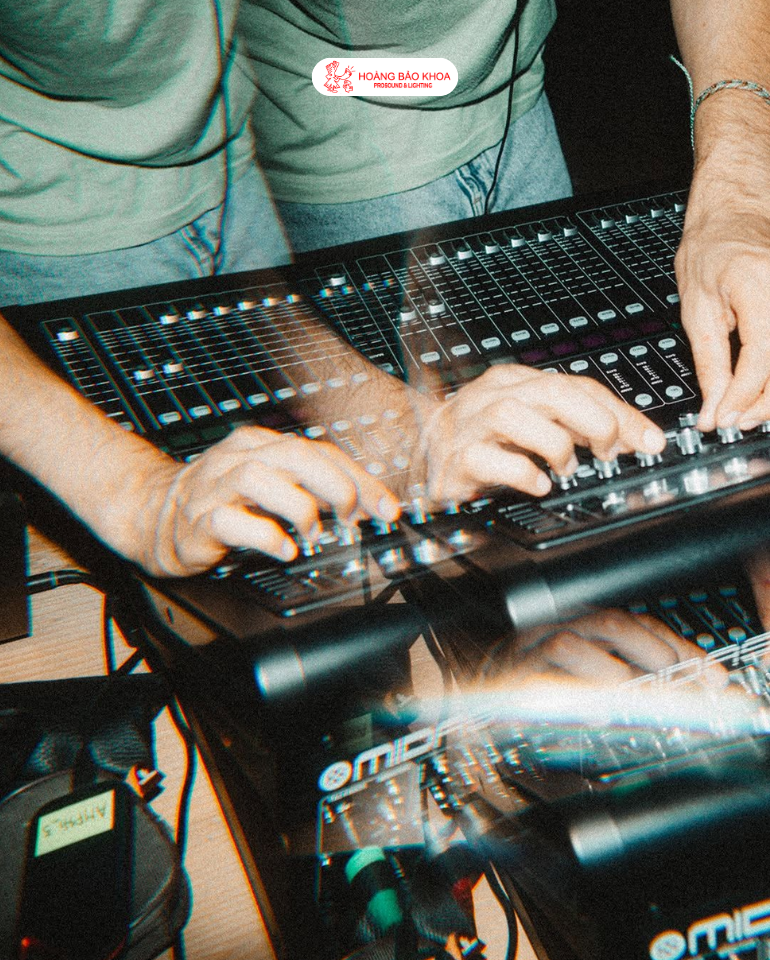
Having multiple people responsible for managing the audio system is not a major problem, as long as everyone follows the same operating procedure.
Some simple but highly effective principles include:
- Only adjust parameters that are truly necessary during use
- Do not change EQ or gain settings without clearly identifying the cause of the issue
- Save the standard configuration after the system has been calibrated
- Assign a responsible person for regular system checks and management
For systems using wired Sennheiser Microphones for the choir, Sennheiser wireless microphones combined with Neumann KMS capsules for the priest, Bizcom gooseneck Microphones at the Word of God lectern, along with TANNOY or FBT speaker solutions, maintaining the standard configuration helps the equipment operate according to its designed performance and provides more stable sound quality.
At Hoàng Bảo Khoa, after completing each project, the technical team not only hands over the equipment but also provides operating instructions and recommends suitable usage procedures for each installation. This helps churches maintain long-term system performance and avoid unnecessary changes during operation.
Conclusion
A quality audio system does not only depend on the equipment itself but also greatly depends on daily operation methods. When multiple people adjust the mixer without a unified procedure, maintaining stable sound quality becomes much more difficult.
Building a standard configuration, assigning clear responsibilities, and limiting unnecessary adjustments will help the system operate more effectively, reduce troubleshooting time, and ensure the audio system is always ready before every Mass.