When a church sound system starts experiencing issues such as poor speech clarity, microphone feedback, or inconsistent volume levels, many parishes immediately consider purchasing new equipment or replacing the entire system.
While this approach may seem logical, large investments do not always produce better results. In many cases, unnecessary expenses could have been avoided if the real cause of the problem had been identified from the beginning.
Replacing Equipment Without Understanding the Root Cause
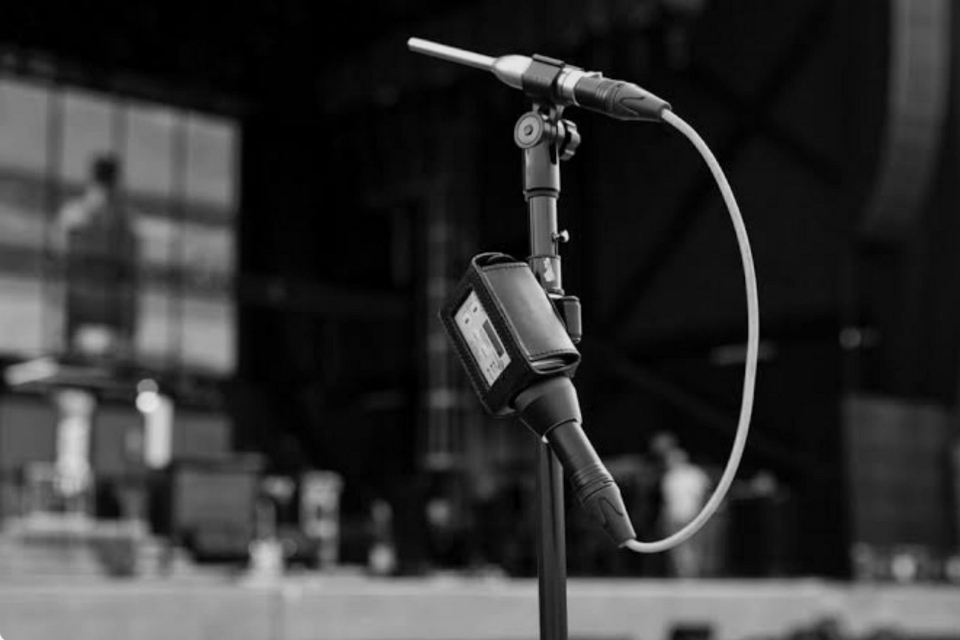
One of the most common mistakes in church audio upgrades is replacing equipment before determining what is actually causing the issue.
When congregants complain that speech is difficult to understand, the first reaction is often to replace the loudspeakers. When Microphones produce feedback, many assume that new microphones are required. Yet after significant spending, the same problems may still remain.
The reason is simple: not every audio issue is caused by faulty equipment.
During church audio assessments, technicians frequently encounter systems where the Microphones and loudspeakers are functioning properly, but their placement does not match the building’s acoustics. In other situations, the system may simply require professional tuning or adaptation to changing usage requirements.
Without identifying the true cause, replacing equipment can become an expensive solution that fails to address the real problem.
Focusing on Products Instead of System Design
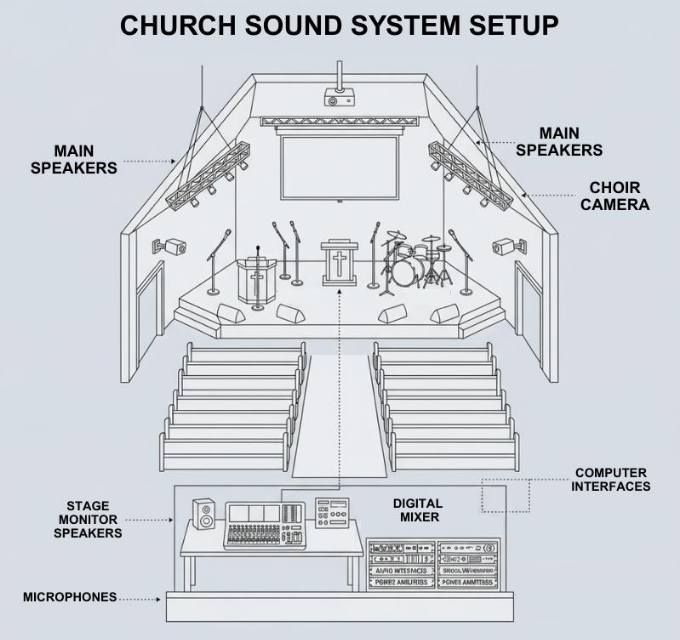
Many churches spend considerable time researching Microphone and loudspeaker brands while paying less attention to overall system design.
In reality, sound quality is influenced by a combination of factors, including:
- Church architecture
- Loudspeaker coverage
- Equipment placement
- Signal processing configuration
- Audio source quality
- System operation and tuning
This explains why two churches using similar equipment can achieve very different results.
A properly designed system often delivers greater improvements than continually adding new devices.
For choir applications, wired Sennheiser microphones are frequently selected for their vocal clarity and reliability. For clergy, Sennheiser wireless systems paired with Neumann KMS capsules provide natural speech reproduction and dependable performance. At lecterns, Bizcom gooseneck microphones are widely used due to their focused pickup pattern and ease of operation.
However, even premium equipment cannot perform at its full potential if the overall system lacks proper integration.
The Largest Costs Often Come Later
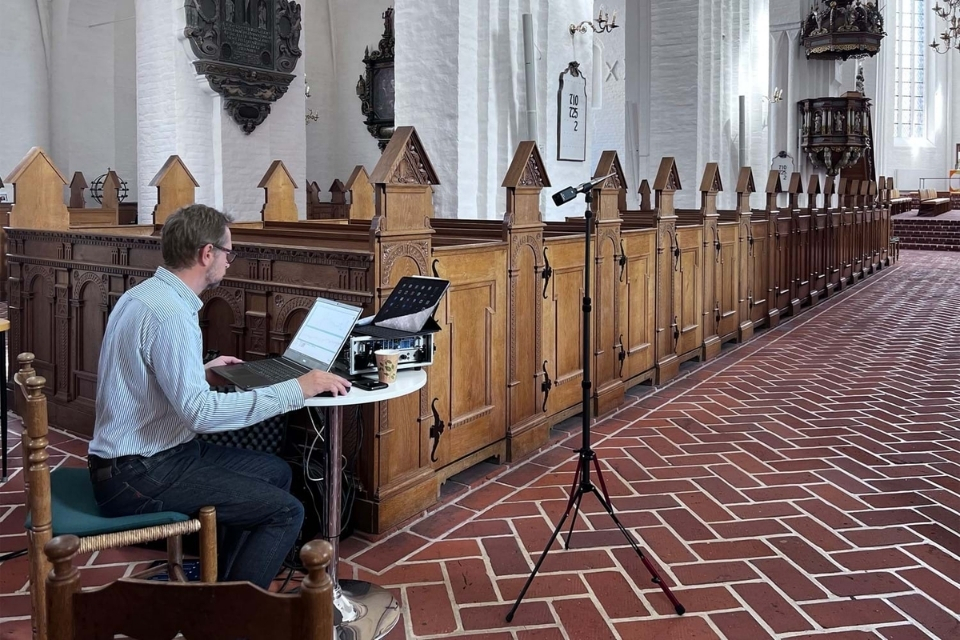
Many people assume that equipment purchases represent the largest expense in a church audio project. In practice, the greatest costs often result from repeated modifications, corrections, and upgrades after the system has already been installed.
A properly planned system can help:
- Avoid duplicate investments
- Reduce future upgrade costs
- Maximize existing equipment
- Improve long-term performance and reliability
For this reason, site surveys and system assessments play a crucial role in church audio projects. Before recommending solutions, audio professionals evaluate the existing infrastructure, room acoustics, and actual usage requirements to determine where investment is truly needed.
This approach helps churches allocate budgets more effectively and avoid unnecessary spending.
Expensive equipment does not automatically guarantee better sound quality.
In many cases, replacing equipment without understanding the root cause or neglecting overall system design leads to unnecessary costs and disappointing results.
Before upgrading a church sound system, the most important step is not choosing new equipment but understanding the limitations of the current system. A carefully assessed and professionally designed solution will always provide greater long-term value than decisions based solely on assumptions.