As church choirs grow in size and congregations seek better sound quality, a common question often arises: should every choir member have their own microphone?
The answer is not always straightforward. In most cases, the overall effectiveness of a church sound system depends more on microphone placement, choir arrangement, and acoustic conditions than on the total number of microphones installed.
More Microphones Do Not Always Mean Better Sound
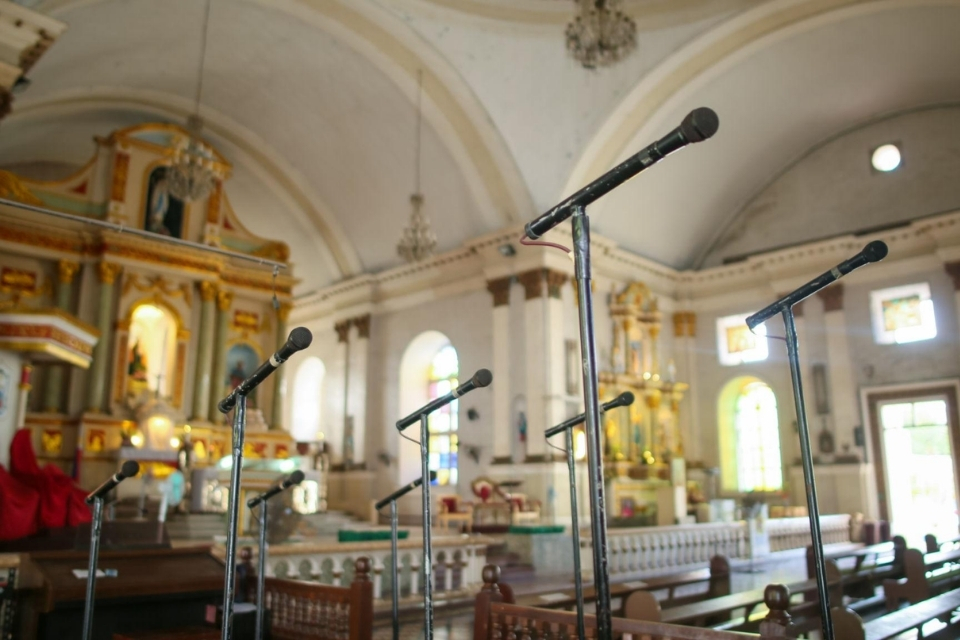
Many people assume that adding more microphones will automatically make the choir sound clearer and more powerful. However, in a church environment, this approach can sometimes create new challenges.
When too many Microphones are active at the same time, the system captures a larger amount of ambient sound. Without proper setup, this may result in uneven vocal balance, reduced clarity, and an increased risk of feedback.
For most choirs consisting of 15 to 30 singers, a carefully selected number of microphones positioned correctly can often deliver better results than assigning one Microphone to every individual.
The goal is to capture the collective harmony of the choir rather than emphasizing individual voices. This approach helps preserve the natural character of sacred music during worship services.
Microphone Placement Matters More Than Quantity
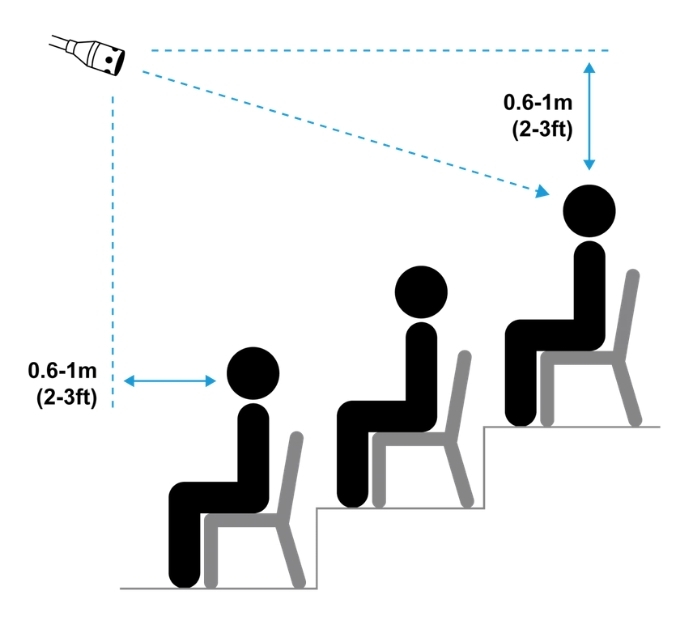
In practical church sound design, Microphone positioning plays a far more important role than simply increasing equipment numbers.
Audio consultants typically evaluate several factors before determining the appropriate microphone configuration:
- Choir size
- Vocal section arrangement
- Available choir space
- Distance from loudspeaker systems
- Acoustic characteristics of the church
A properly designed setup can provide several advantages:
- Balanced vocal coverage across all sections
- Consistent sound throughout the choir area
- Reduced feedback risk
- Easier system operation and adjustment
For many churches, wired Sennheiser microphones are commonly selected for choir applications due to their reliability, vocal clarity, and suitability for long-term liturgical use.
Choir Audio Should Be Considered as Part of the Entire Church System
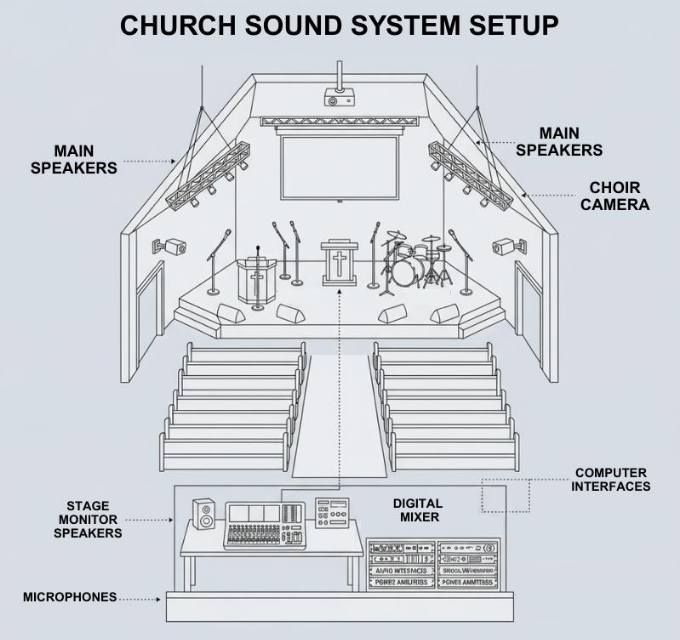
The choir is only one component of a complete church audio system. Therefore, Microphone selection should always be evaluated within the context of the overall sound design.
For example, the sanctuary may use Sennheiser wireless systems with Neumann KMS capsules for clergy, Bizcom gooseneck Microphones for lecterns, and professionally designed loudspeaker systems from brands such as TANNOY or FBT. The choir microphone system must integrate seamlessly with these elements to achieve consistent and balanced sound throughout the church.
Many churches invest in high-quality equipment but still experience unsatisfactory results. In most cases, the issue is not the equipment itself but the lack of a coordinated system design.
Professional consultation typically begins with an on-site assessment of the church space, choir size, and existing audio infrastructure before recommending suitable solutions. This process helps churches invest in the right equipment without unnecessary expenses.
Ultimately, not every choir member needs an individual microphone. Choosing the correct microphone type, determining the proper quantity, and implementing an effective placement strategy will often provide significantly better results.
A well-designed choir sound system not only enhances vocal performance but also contributes to a more meaningful and engaging worship experience for the entire congregation.