In-ear monitor (IEM) systems allow performers to clearly hear their personal monitor mix on stage. Understanding the system structure and operating principles ensures stable and accurate operation
What is an In-Ear Monitor (IEM) system?
In professional stage environments, clear audio monitoring is essential for performance quality. This is why In-Ear Monitor (IEM) systems have become the standard, replacing traditional stage monitor speakers.
IEM is a personal monitoring system that allows performers to hear audio signals sent directly and individually to them.
Helps singers and musicians clearly hear vocals and instruments
Isolates from ambient noise
Maintains accurate pitch and timing
- Advantages over stage monitors
Reduces stage volume
Minimizes feedback issues
Provides better personal sound control
IEM is not just a device, but a modern solution for personal audio control on stage.
Structure of an In-Ear Monitor (IEM) system
A complete IEM system consists of several components working together:
Receives audio signal from the mixer
Transmits the signal wirelessly to the user
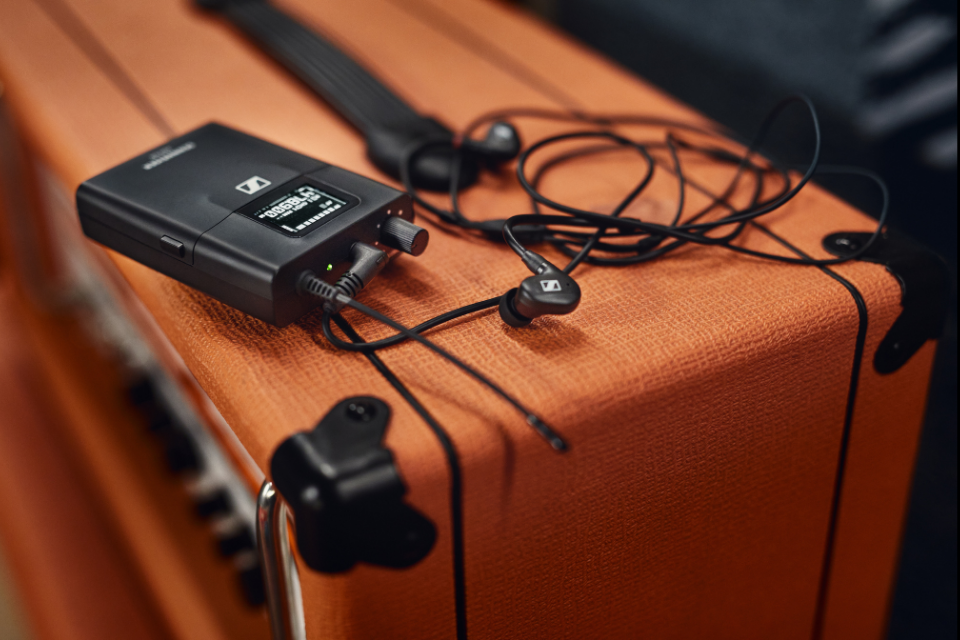
Worn by the performer (bodypack)
Receives signal from the transmitter
Deliver audio directly to the user's ears
Require high isolation and detailed sound reproduction
Creates individual mixes for each performer
Adjusts volume levels, EQ, and effects
Ensures stable signal and avoids interference
Especially important for large stages
These components form a closed system, ensuring stable and accurate signal transmission.
How an IEM system works
An IEM system operates by wirelessly transmitting audio signals from the mixer to the user’s ears:
The mixer sends a dedicated monitor mix to each performer
- Step 2: Signal transmission
The signal is sent to the transmitter and broadcast via RF WAVES
The receiver (bodypack) captures the signal and converts it into audio
The in-ear earphones deliver sound directly to the user
The entire process occurs with nearly zero latency, ensuring accurate performance.
Benefits of using IEM on professional stages
Using IEM systems provides many practical advantages:
- Clearer and more stable monitoring
Not affected by stage noise
Reduces exposure to high sound pressure from stage monitors
Each performer has a dedicated mix for better performance control
Minimizes Microphone feedback and noise interference
This is why IEM systems are widely used in live shows, concerts, and broadcast productions.
Suggested IEM solutions from Hoang Bao Khoa
To ensure stable and professional performance, it is recommended to choose genuine equipment from reputable brands such as:
- Sennheiser XSW IEM, EW IEM series: Stable, easy to use, widely used on stage
- Behringer mixer solutions supporting IEM: Cost-effective and easy to deploy
If you need consultation, you can refer to hoang bao khoa – a professional provider of stage audio systems, ensuring the right equipment for the right application.
Conclusion
An In-Ear Monitor (IEM) system is an essential part of modern stage setups, improving performance quality and audio control.
- Understand the system structure
- Master the operating principles
- Choose the right equipment
This is the foundation for building a stable, accurate, and professional IEM system.