A professional auditorium sound system is not only required to deliver loud and clear audio, but also to ensure even sound coverage, high speech intelligibility, and stable performance throughout operation. To achieve this, the system must be fully configured with the appropriate equipment, tailored to the auditorium’s scale, usage purpose, and acoustic characteristics.
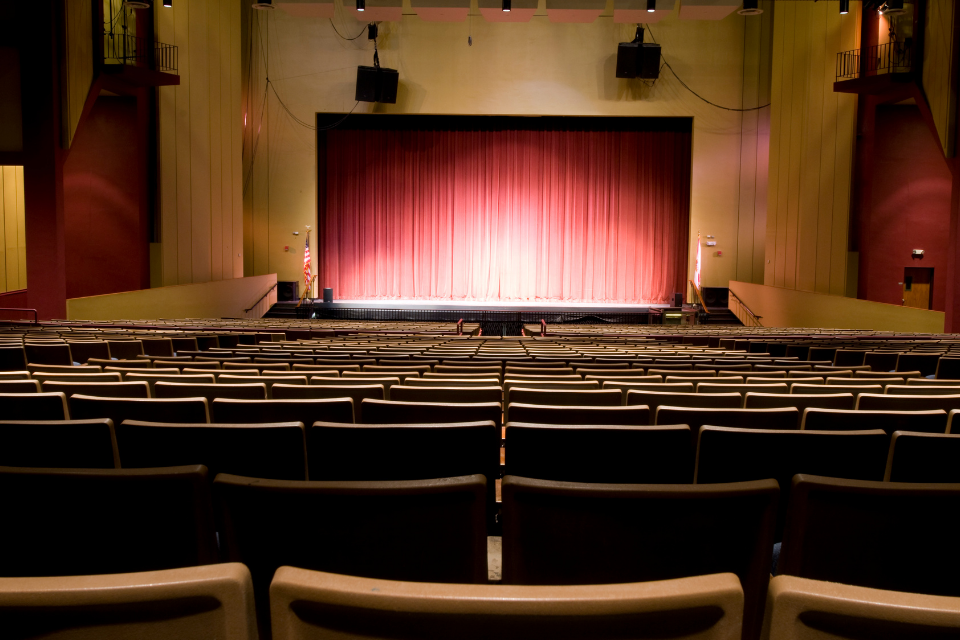
Speakers play a decisive role in determining sound quality and coverage in an auditorium.
- Depending on the size of the auditorium, an appropriate speaker configuration should be selected.
- Full-range speakers are commonly used for small to medium-sized auditoriums.
- Line array systems are suitable for large auditoriums with deep spaces and uniform coverage requirements.
- Subwoofers enhance low frequencies, creating a fuller and more solid sound.
- Speaker placement must be carefully calculated to avoid echo and sound dropouts.
- Dedicated auditorium speakers should be prioritized to ensure durability and continuous operation.
Audio processing and amplification equipment for auditoriums
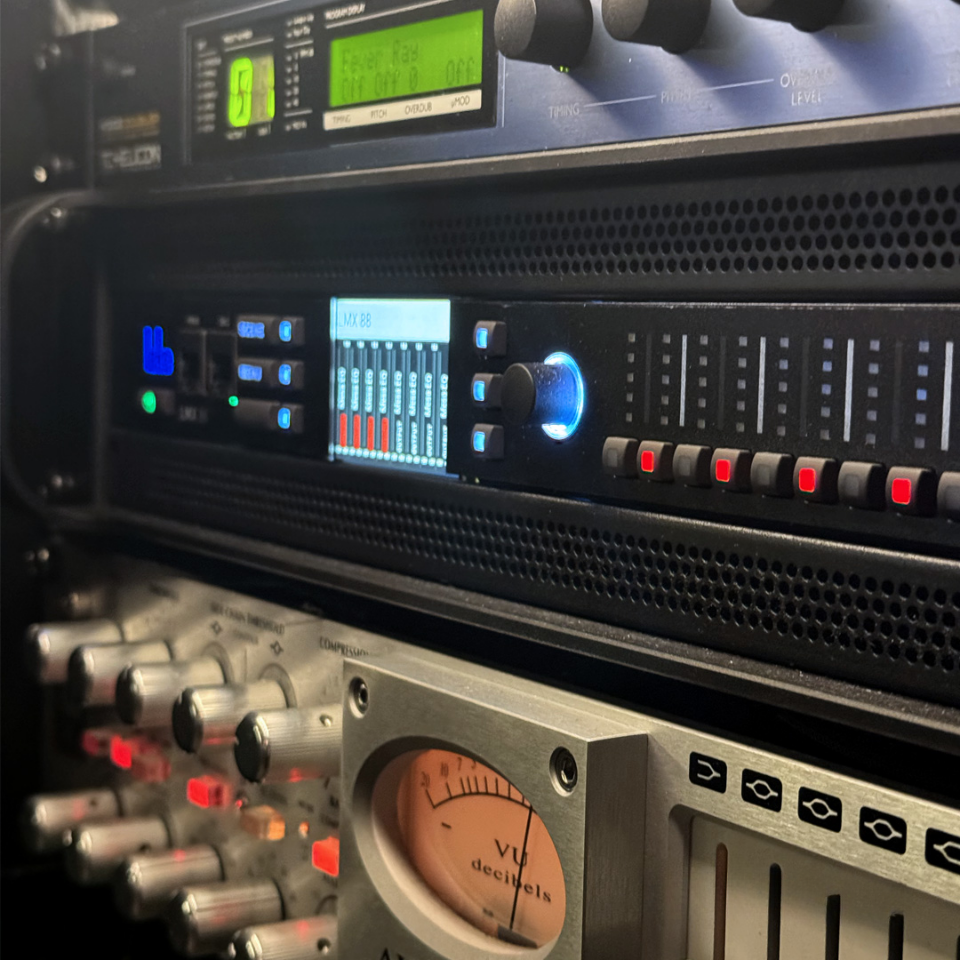
Processing and amplification systems are responsible for controlling and optimizing overall sound quality.
- Analog or digital mixers are used to adjust volume levels for each Microphone and background music.
- Mixers help balance the overall sound throughout the auditorium.
- DSP processors support EQ adjustment, delay alignment, and limiter settings.
- DSP helps reduce feedback and improve speech clarity.
- Power amplifiers are used to amplify signals and deliver power to speakers.
- Amplifier power must be properly matched to ensure stable operation and prevent overload.
Microphone system and input devices for auditoriums
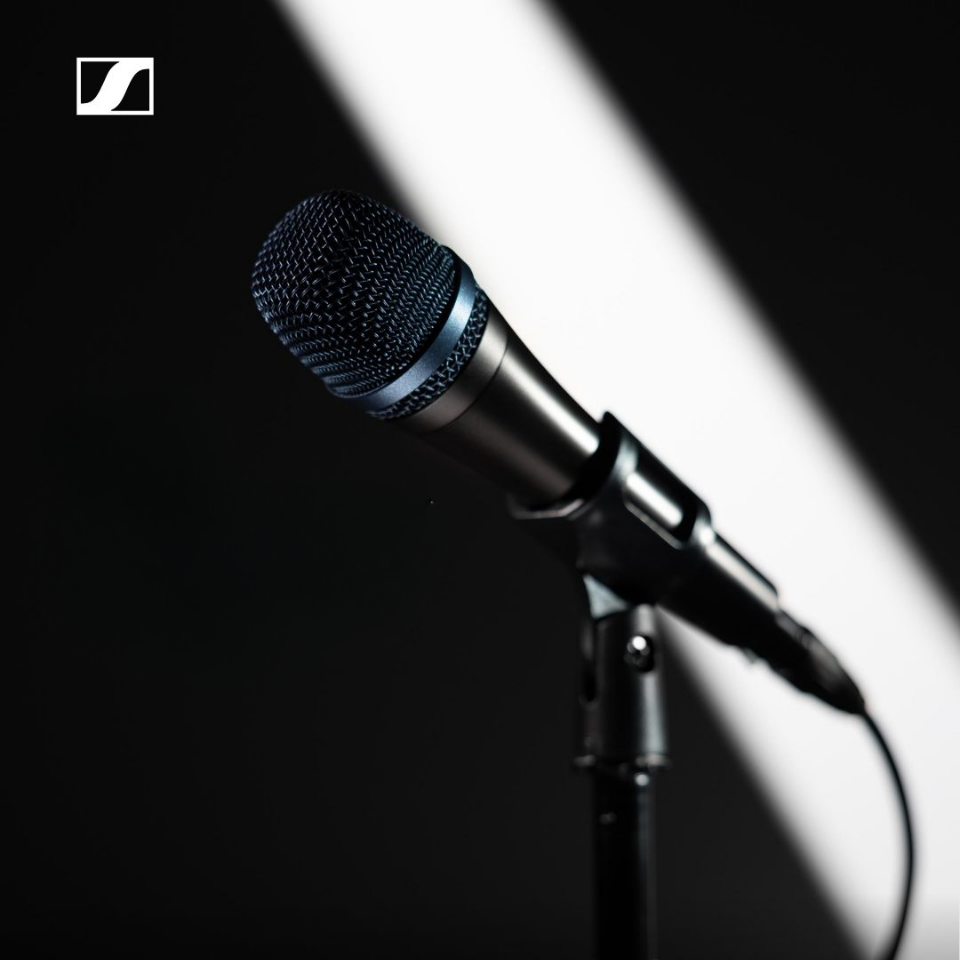
Microphones and input devices directly affect how content is delivered within an auditorium.
- Microphones are used for speeches, conferences, seminars, and performances.
- Gooseneck Microphones are commonly installed at podiums.
- Wireless microphones allow speakers to move freely on stage.
- Music playback and presentation devices include computers, media players, and projection systems.
- All input devices must be well compatible to ensure stable signal transmission.
Supporting equipment helps ensure stable operation, safety, and ease of system management.
- Equipment racks keep devices organized and easy to manage.
- Power management units protect equipment from electrical SURGES and overloads.
- High-quality signal and speaker cables help minimize signal loss.
- Speaker mounting systems and brackets ensure installation safety and aesthetics.
- Central control devices make system operation more convenient.
Conclusion
A professional auditorium sound system is a synchronized combination of speakers, processing equipment, amplification, microphones, and supporting accessories. Selecting the right equipment and proper configuration from the beginning ensures stable operation, clear sound, and effective performance for various applications.
For auditoriums that require optimized solutions based on space, purpose, and budget, consulting an experienced system integrator is essential. Hoang Bao Khoa is a professional provider and consultant of auditorium sound solutions, offering site surveys, suitable system proposals, and long-term technical support.