Each stage lighting fixture functions a performance engine operating quietly behind the scenes. However, its lifespan is not defined solely by the rated operating hours specified by the manufacturer. It depends on the installation environment, operating practices, internal components, and maintenance schedule. Understanding the factors that influence the lifespan of stage lighting fixtures helps optimize investment costs, minimize equipment failures, and ensure consistent, reliable lighting system performance over time.
Component Quality and Light Source Technology Affect the Lifespan of Stage Lighting Fixtures
One of the most critical factors determining the lifespan of Stage lighting fixtures is their internal construction and the light source technology used.
1. Light Source Technology
- Halogen lamps: Shorter lifespan, typically 1,000 - 2,000 hours
- Discharge lamps (MSD, HMI): Average 2,000 - 6,000 hours depending on the model
- LED stage lighting: Can reach 20,000 - 50,000 hours when operated under proper technical conditions
LED technology is currently the most popular choice because:
- Lower heat generation
- Reduced power consumption
- Lower periodic lamp replacement costs
2. LED Chip and Driver Quality
- High-quality LED chips provide stable output and minimal lumen depreciation over time
- Poor-quality drivers (power supplies) can cause flickering and significantly reduce LED lifespan
3. Thermal Management System
- Efficient heat dissipation keeps components operating within safe temperature thresholds
- Prolonged high temperatures reduce the lifespan of both the light source and circuit boards
Environmental Conditions and Operation Practices Impact Fixture Durability
Even high-quality lighting fixtures can degrade quickly if operated in harsh environments or under improper conditions.
1. Temperature and Humidity
- Excessive heat accelerates component degradation
- High humidity increases the risk of PCB oxidation
- Bars and clubs with heavy haze and fine dust reduce cooling fan efficiency
2. Usage Frequency
- Continuous operation for many hours per day increases mechanical wear
- Moving parts such as pan/tilt motors, zoom modules, and gobo systems wear faster under overload conditions
3. Unstable Power Supply
- Voltage fluctuations can cause power SURGES
- Lack of voltage regulators or protective devices significantly shortens equipment lifespan
Solutions:
- Use professional voltage stabilizers
- Distribute electrical loads properly across power lines
- Avoid frequent on/off cycling within short time intervals
Regular Maintenance Determines Long-Term Stage Light Lifespan
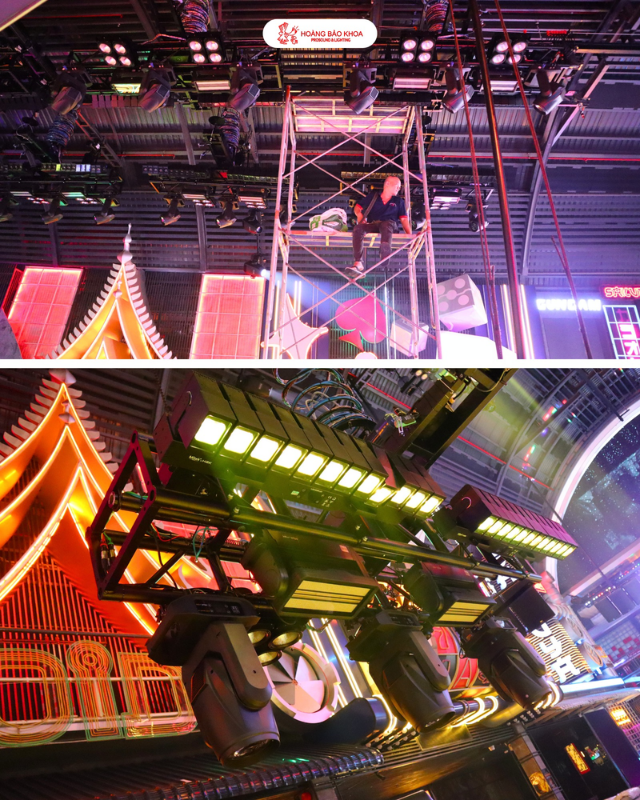
If Stage Lighting fixtures are considered electromechanical systems, then routine maintenance acts as the essential factor that extends their service life.
1. Periodic Cleaning
- Clean cooling fans and ventilation slots
- Clean lenses and reflectors
- Remove dust inside the fixture housing
Long-term dust accumulation is a common cause of overheating and performance degradation.
2. Inspection of Wear Components
- Replace discharge lamps according to the recommended cycle
- Inspect power cables and DMX connectors
- Check motors and moving mechanisms
3. Proper Installation
- Rig fixtures according to load ratings and correct positioning
- Avoid excessive vibration
- Maintain minimum clearance for heat dissipation
A properly designed and professionally installed system from the beginning significantly extends equipment lifespan.
Conclusion
The lifespan of Stage lighting fixtures depends on three main factors:
- Component quality and light source technology
- Environmental conditions and operating practices
- Maintenance and technical installation standards
Investing in quality equipment is only the first step. Proper operation and regular maintenance are the keys to ensuring long-term durability, stable performance, and optimized operational costs.