Many churches invest in high-quality loudspeakers and microphones, yet still experience issues such as unclear speech, feedback, or uneven sound coverage between seating areas. In these cases, the problem is often not the end equipment itself, but the absence of a critical stage in the signal chain: audio signal processing. This is where DSP plays a key role, becoming an increasingly essential component in modern church sound systems.
What Is DSP?
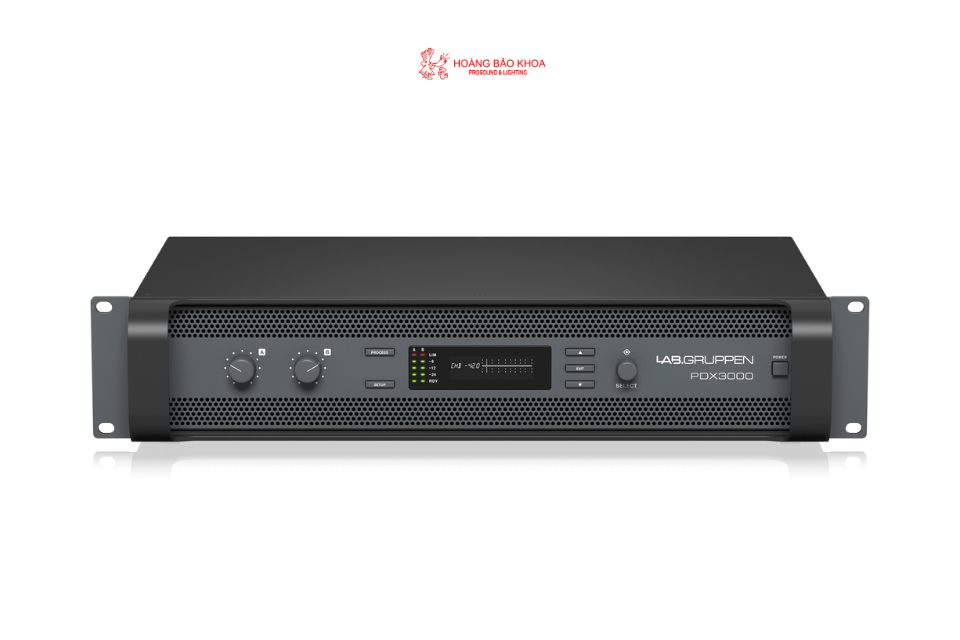
DSP (Digital Signal Processor) is a digital audio processing unit that receives audio signals from Microphones, mixers, or other sources and processes them before sending the optimized signal to the speaker system.
In simple terms, if a speaker is the “voice output” and a Microphone is the “sound input,” then DSP is the “editor” that refines audio to make it clearer, more balanced, and better suited to the listening environment.
In church sound systems, DSP is commonly used to improve speech clarity, reduce feedback, and optimize sound coverage.
Why Do Churches Need DSP More Than Other Spaces?
Church architecture often creates challenging acoustic conditions that make sound reinforcement more complex:
- High ceilings
- Long and wide spaces
- Multiple reflective surfaces
- Strong reverberation
- Different seating zones within the same space
In such environments, installing only microphones and speakers is not enough to achieve optimal sound quality.
DSP helps the system adapt to the real acoustic conditions instead of operating with a fixed, default output.
How Does DSP Improve Speech Clarity?
In churches, the main goal is not loud sound but clear speech so the congregation can understand readings and sermons.
DSP allows technicians to adjust frequency ranges suitable for human voice, helping to:
- Reduce muddy or unclear sound
- Minimize unnecessary low-frequency noise
- Enhance vocal presence
- Improve speech intelligibility
This is why even systems using high-quality Microphones such as Sennheiser wireless systems combined with Neumann KMS capsules still rely on DSP for optimal performance.
Can DSP Prevent microphone Feedback?
The answer is yes.
Microphone feedback is one of the most common issues in churches and chapels.
Through audio signal analysis, DSP can:
- Detect frequencies that cause feedback
- Reduce or eliminate those frequencies
- Improve system stability
- Minimize unwanted feedback during operation
However, DSP is not a complete solution for all problems.
If speakers or microphones are poorly positioned, feedback can still occur even with DSP support.
Role of DSP in Church Sound Systems
A church sound system usually consists of more than just a single pair of speakers.
Many installations include:
- Main speakers
- Supplementary speakers
- Delay speakers for rear areas
- Speakers for chapels or auxiliary rooms
DSP helps synchronize the entire system.
For example, if additional speakers are installed at the back of the church, DSP calculates the correct delay so that sound reaches all listeners at the same time.
This creates a more natural and consistent listening experience for the congregation.
Is DSP More Important Than Speakers and Microphones?
This is a common question when designing a sound system.
In reality, DSP cannot replace speakers or microphones.
An effective system always requires a combination of:
- Appropriate microphones
- Appropriate speakers
- Appropriate DSP processing
In many church projects consulted by Hoang Bao Khoa, systems are typically designed as follows:
- Sennheiser wired microphones for choir
- Sennheiser wireless microphones with Neumann KMS capsules for the priest
- Bizcom gooseneck microphones for lecterns
- TANNOY or FBT speakers depending on architectural requirements
- DSP for overall system optimization
This synchronized approach delivers significantly better performance than investing in individual components separately.
When Should Churches Invest in DSP?
DSP is especially useful when:
- The church has high ceilings
- The space is long or acoustically complex
- The system uses multiple speakers
- Microphone feedback occurs frequently
- The congregation reports unclear speech
- There is a need for livestreaming or recording
In these cases, DSP often provides more noticeable improvement than simply increasing speaker power or changing microphones.
Conclusion
DSP is a key component in optimizing modern church sound systems. It not only helps reduce feedback but also improves speech clarity, synchronizes speaker systems, and enhances the overall listening experience for the congregation.
However, DSP is most effective when used with properly selected and well-designed equipment. Therefore, when building or upgrading a church sound system, a full system design is always more important than focusing on a single device.
With experience in numerous church audio projects, Hoang Bao Khoa provides integrated solutions combining Sennheiser microphones, Neumann KMS capsules, Bizcom microphones, TANNOY or FBT speakers, and DSP processing systems to ensure stable and long-term audio performance.