Lighting is a key factor in ensuring an auditorium delivers effective presentations, performances, and overall visual aesthetics. However, many projects encounter issues such as glare, lack of focal points, or insufficient illumination. So, what is required for proper auditorium lighting installation, and which technical standards must be followed to achieve optimal performance? This article provides a detailed overview from choosing site assessment and equipment to proper lighting layout based on technical standards.
1.1 Space survey & defining usage purposes
Before implementation, a thorough survey of the auditorium is required:
- Identify the primary purpose: meetings, training sessions, or artistic performances. Each use case has different lighting requirements in terms of intensity and effects.
- Measure the floor area, ceiling height, wall and floor materials to select appropriate lighting power, quantity, and beam angles.
- Assess factors affecting lighting such as windows, natural light sources, and reflective surfaces to optimize fixture placement.
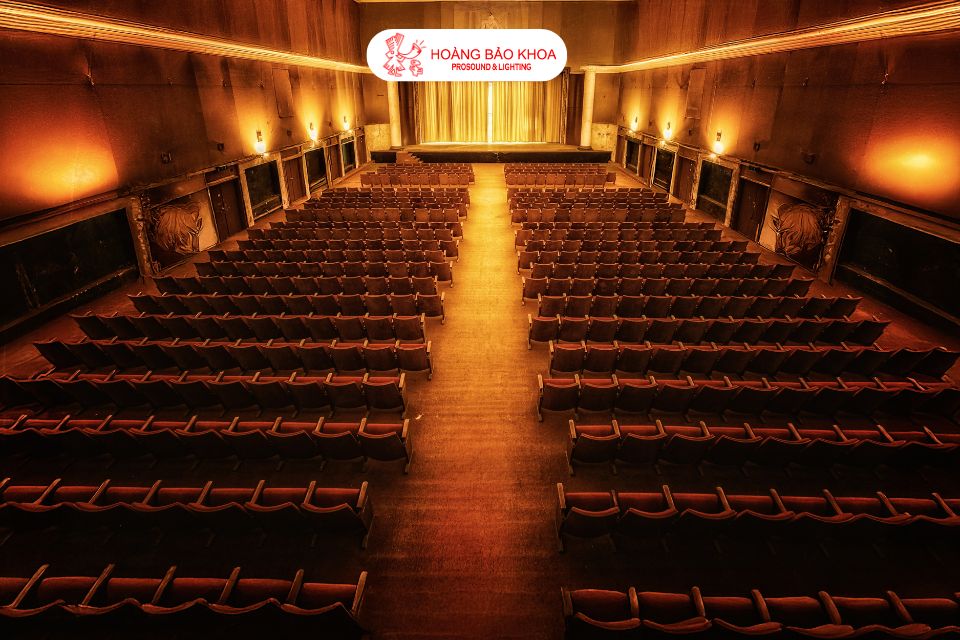
An auditorium lighting system typically includes various types of fixtures, each serving a specific function:
- General lighting fixtures: PAR LED, COB LED, downlights, providing even illumination across the entire space.
- Stage and presentation lighting: moving head beam, wash, follow spot, creating dynamic effects and emphasizing stage content.
- Decorative background lighting: wall washer, LED bar, EDGE lighting, enhancing visual highlights and overall aesthetics.
- Lighting control systems (DMX) or smart programming systems, allowing flexible adjustment of brightness, color, and effects for different events.
1.3 Power calculation & safe electrical distribution
- Ensure the total lighting load matches the capacity of the electrical system to avoid overloads and fire risks.
- Install power outlets, distribution cabinets, wiring, and residual-current circuit breakers in accordance with safety standards.
- Distribute power sources properly between areas such as the stage, seating area, and backstage.
1.4 Lighting layout drawings & beam angles
- Create 2D or 3D layouts to define light and shadow zones clearly, ensuring uniform illumination and accurate highlights.
- Adjust beam angles to emphasize speakers or performers while minimizing glare and unwanted shadows for the audience.
2. Auditorium lighting standards
To achieve optimal performance, the following basic standards should be met:
- Average illuminance: 300–500 lux for conference auditoriums, 700–1000 lux for performance stages.
- Color temperature: 3200K–5600K, depending on lighting style (warm, neutral, or cool) and the intended atmosphere.
- Color Rendering Index (CRI) ≥ 80, ensuring natural colors for filming, recording, or livestreaming.
- Beam angles and mounting heights must follow technical drawings to ensure even lighting without glare or dark spots.
- Step 1: On-site survey, measuring existing light levels and gathering client requirements.
- Step 2: Develop 2D/3D lighting layouts, allocating fixtures, beam angles, power sources, and control cabinets.
- Step 3: Select suitable lighting fixtures, control systems, and electrical cabinets based on needs and budget.
- Step 4: Installation and safe cabling, load testing, and system stability checks.
- Step 5: Lighting focusing, effect programming, system testing, and final handover.
4. Benefits of choosing a professional installation provider
- Extensive experience in auditorium, event center, and cultural venue projects, from small to large scale.
- Tailored solution consulting, optimizing investment costs and avoiding unnecessary equipment.
- Use of genuine lighting equipment with high durability and complete documentation (CO, CQ, VAT).
- On-site technical support, fast warranty service, and equipment replacement in case of defects.
- Provision of detailed drawings and cost estimates before execution, ensuring transparency in design and budgeting.
5. Conclusion
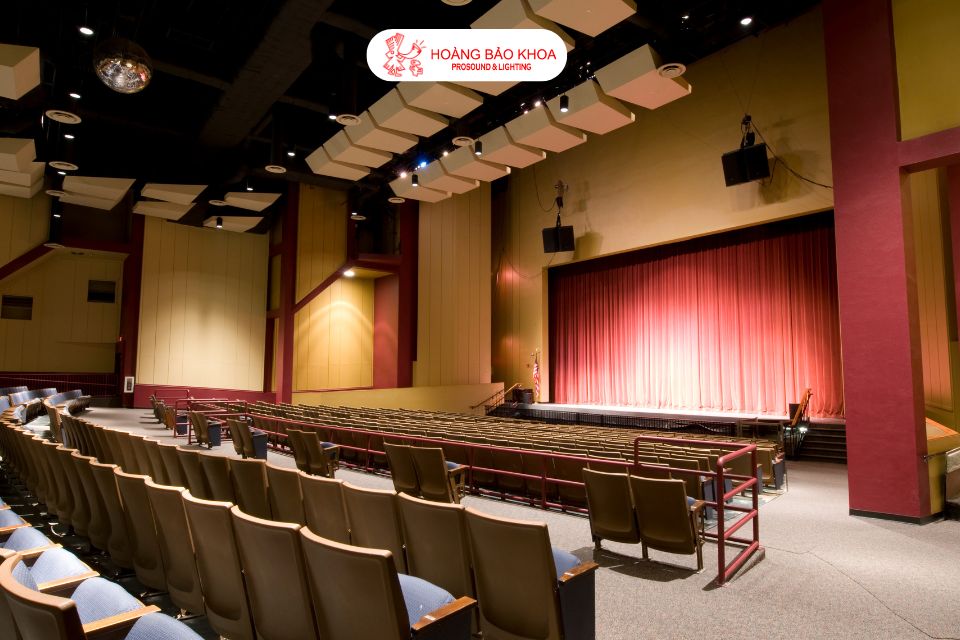
Professional auditorium lighting installation is not just about installing fixtures, but a comprehensive process involving technical surveys, layout design, equipment selection, and hands-on experience. A properly designed lighting system enhances aesthetics, ensures uniform illumination, improves presentation and performance quality, and elevates the overall audience experience.
Contact a reputable installation provider for consultation, site surveys, and tailored auditorium lighting designs that meet both technical standards and high aesthetic requirements.