When a sound system begins to exhibit issues such as poor speech intelligibility, frequent microphone feedback, or uneven sound levels across different seating areas, the first solution many parishes consider is replacing loudspeakers or purchasing additional equipment. However, investing in new gear without properly identifying the root cause can increase costs while delivering less improvement than expected.
In practice, the most important step before upgrading a church sound system is to accurately determine where the problem actually lies. This assessment helps ensure that any investment is both effective and aligned with the real needs of the system.
Not All Problems Come From the Equipment
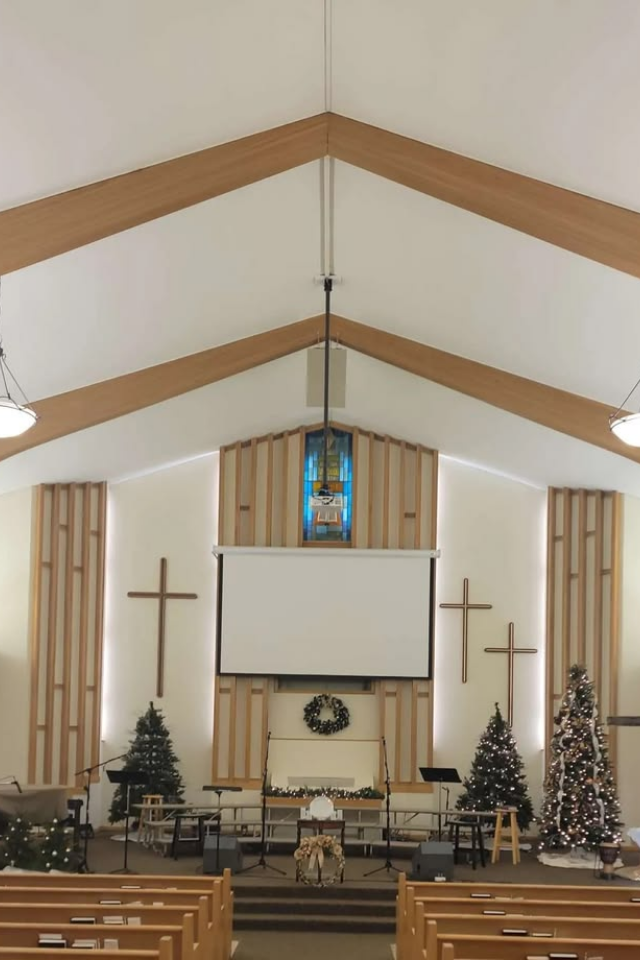
During surveys of church audio systems, the Hoang Bao Khoa technical team often encounters cases where the system is still functioning properly but the audio quality does not meet expectations due to layout or operational factors.
For example, many churches report that the rear seating area cannot clearly hear the sermon. However, after inspection, the cause is often uneven sound coverage or loudspeaker placement that is not suitable for the building architecture. In such cases, replacing the loudspeakers may not be as effective as optimizing the existing system.
Similarly, Microphone feedback is not always caused by poor-quality Microphones. The distance between the microphone and loudspeakers, speaker direction, or system tuning can also be the root cause.
Therefore, before investing in new equipment, churches should evaluate the entire system to identify the actual issue that needs to be addressed.
Key Items That Should Be Checked Before Upgrading
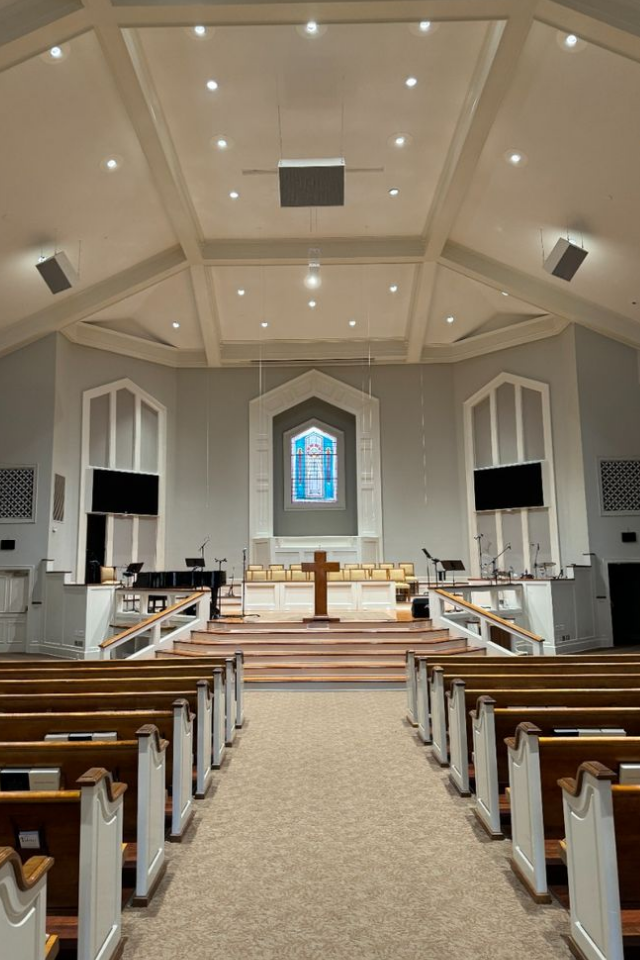
A professional church audio survey typically focuses on multiple factors rather than just the equipment itself.
Key evaluation points include:
- Speech intelligibility across all seating areas
- Loudspeaker coverage performance
- Microphone system condition
- Input signal quality
- Feedback and reverberation issues
- Signal processing and DSP system
- Actual usage requirements of the parish
This is also the right time to assess whether the current equipment still meets operational needs.
For choir applications, Sennheiser wired microphones can improve vocal clarity and system stability. For clergy use, Sennheiser wireless systems combined with Neumann KMS capsules provide natural and intelligible speech. Meanwhile, Bizcom gooseneck Microphones are suitable for scripture lecterns due to their focused pickup and ease of use.
Similarly, loudspeaker systems must be evaluated based on the actual architecture of the building. Many projects today use TANNOY or FBT installation loudspeakers to optimize coverage and speech reproduction in worship environments.
An Effective Upgrade Plan Always Starts with a Proper Survey
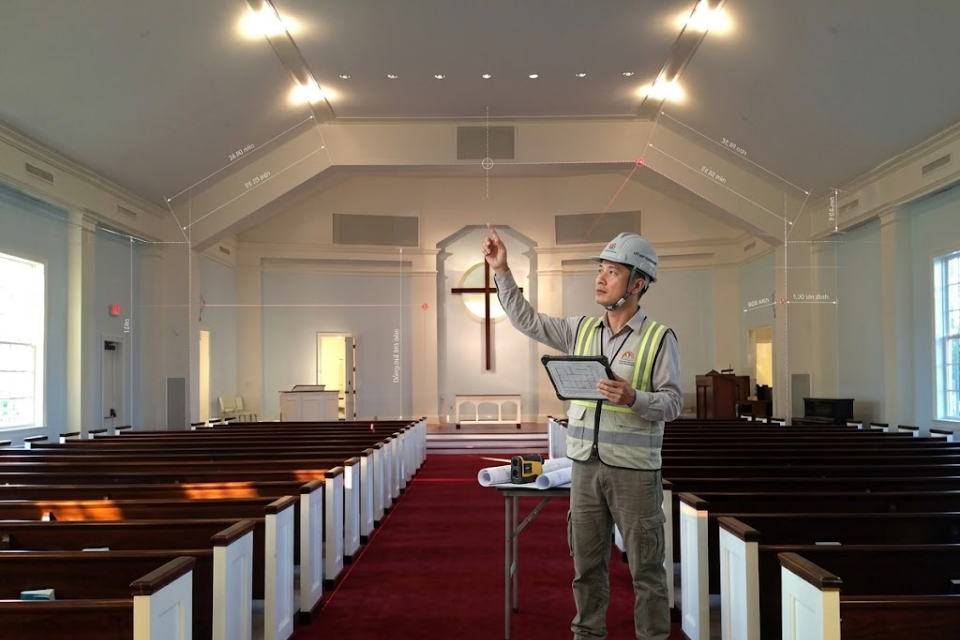
The most common mistake when upgrading church audio systems is replacing equipment based on subjective judgment or assumptions.
An effective upgrade plan should answer the following questions:
- Where is the real problem coming from?
- What parts of the current system can still be reused?
- Which equipment needs replacement?
- Which equipment can continue to be used?
- Will the system meet future requirements?
At hoang bao khoa, the upgrade process always begins with a real-site survey, system evaluation, and analysis of the parish’s needs. Based on this, the technical team proposes a suitable solution that optimizes investment efficiency and minimizes unnecessary costs.
This approach has helped many churches significantly improve sound quality without replacing the entire system.
Conclusion
Upgrading a church audio system is not simply about replacing loudspeakers or adding new equipment. The most important factor is understanding the current system and accurately identifying the root causes of the issues.
A thorough survey before investment helps churches choose the right solution, optimize budget, and improve long-term performance.