Neumann Vocal Microphones should be chosen for the voice, the source and the room-not by model reputation alone. This guide compares practical starting points for vocals and instruments, explains how room acoustics affect the result, and shows what to listen for before making a final choice.
Neumann Vocal Microphones: start with the voice and recording style
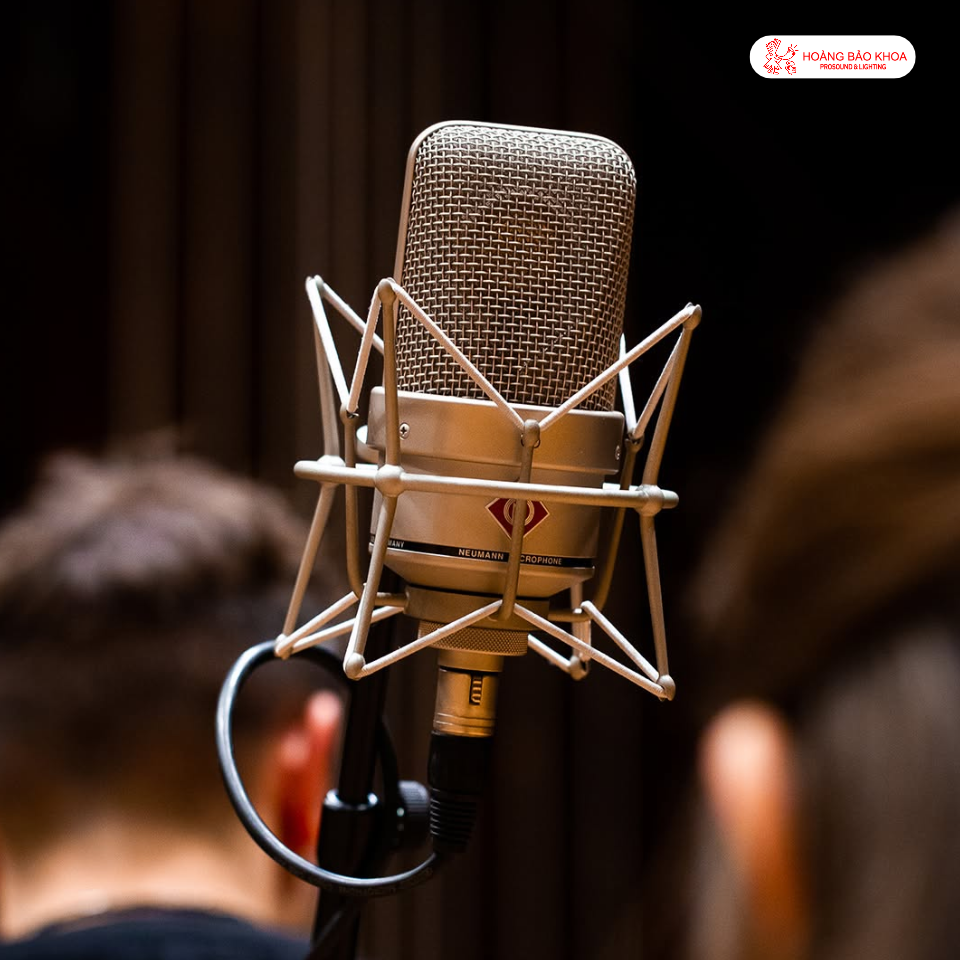
When choosing Neumann Vocal Microphones, listen to the voice at the intended recording distance and in the expected mix. Neumann presents the TLM 102 and TLM 103 in its home-vocal recording guidance. The TLM 103 has a consistent cardioid pattern, very low self-noise and a broad presence boost for definition; the TLM 102 is compact, includes an integrated pop shield and handles high sound-pressure levels.
Those features do not make one model right for every singer. Bright, low, breathy or sibilant voices can respond differently to a capsule, distance and angle. Neumann advises trying microphones with the actual sound source and room rather than looking for one universally “best” model.
Live vocals involve different priorities from studio recording. Handheld use, feedback control and performer movement may matter more than a fixed studio setup. Audition options with the intended monitor level and performance style.
Neumann Microphones For Acoustic Instruments: choose by source
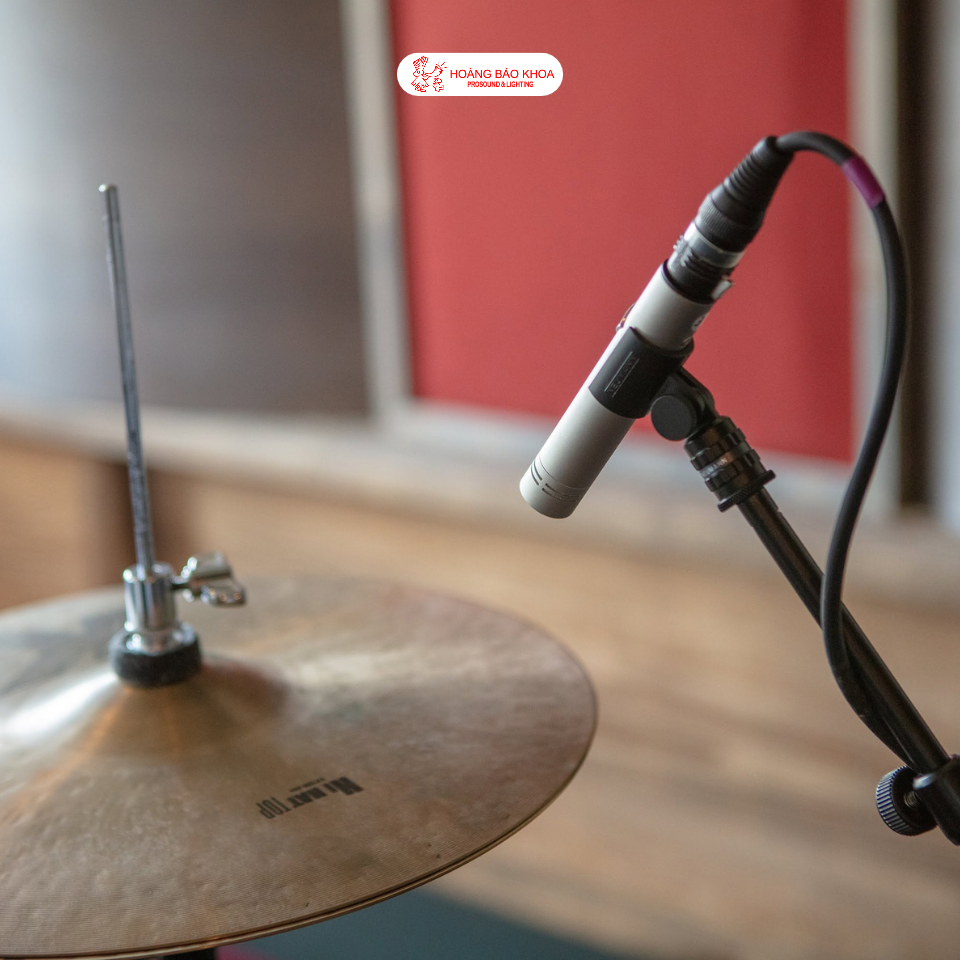
For Neumann Microphones For Acoustic Instruments, first decide whether the goal is close detail and separation or a more distant sound that includes the room. The KM 184 is a small-diaphragm cardioid condenser featured in Neumann’s instrument-recording guidance. For acoustic guitar, violin or viola, try aiming toward the instrument body and its main sound-producing areas; changing height, distance and angle can significantly change tonal balance.
When a Microphone needs to attach directly to an instrument for live use, MCM offers instrument-specific clips and sets for strings, woodwinds, brass, piano, guitar and Drums. KK 13 omni, KK 14 cardioid and KK 15 supercardioid provide different pickup patterns. Match the pattern to the required separation, stage conditions and monitor setup, and confirm the set for the intended instrument.
Neumann Large Diaphragm Condenser microphones: account for the room
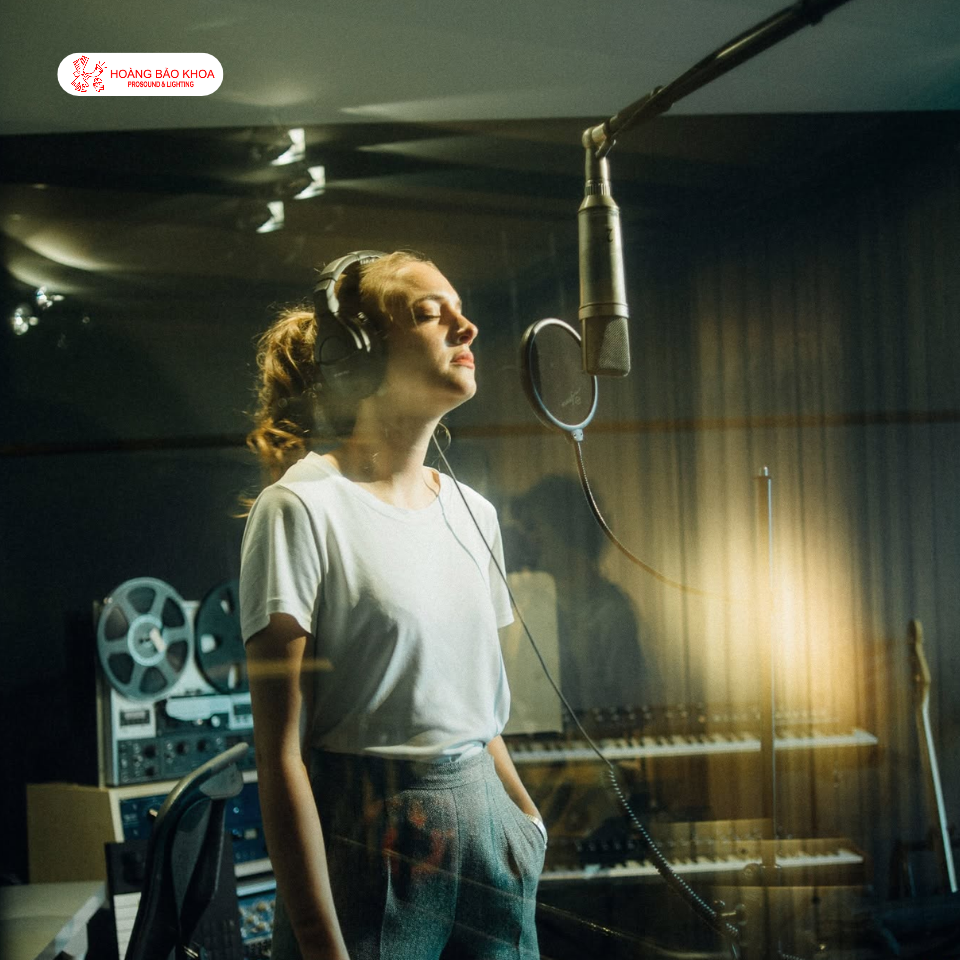
Among Neumann Large Diaphragm Condenser Microphones, the TLM 102 and TLM 103 are examples used in Neumann’s home-vocal recording guidance. In a room with strong reflections, long reverberation or background noise, changing Microphones will not solve every problem. Neumann recommends a quiet, reasonably dry room for close vocal recording, away from corners and highly reflective surfaces. A pop filter, stable stand and muted loudspeakers help control plosives and feedback.
If the room is untreated, test positions before buying another microphone: avoid corners and the room’s exact centre, listen for reflections and computer fan noise. Then compare microphones from the same position, at a consistent gain and with the same performance.
A practical selection process
- Identify the use: studio vocals, live vocals or acoustic instruments.
- Test in the actual room, keeping distance and gain consistent.
- Listen for clarity, room sound, background noise and plosive control.
- Choose from the result, not from price tier or reputation alone.
The right Neumann Microphone depends on the voice or instrument, placement and room. Auditioning under conditions close to the real session gives a more reliable basis than a universal recommendation.