The Neumann M 49 V and M 149 Tube are both large-diaphragm condenser microphones featuring tube electronics, but they differ in circuit architecture, capsule design, polar-pattern control and technical performance. The M 49 V recreates a classic design with a BV11 output transformer and remote pattern adjustment, while the M 149 Tube offers nine selectable patterns and a transformerless output stage.
Overview of the Neumann M 49 V and M 149 Tube
The Neumann M 49 V is a reissue of the M 49, originally introduced in 1951. Based on the M 49 c design, it features a K 49 capsule, tube circuitry and a BV11 output transformer. One of its defining characteristics is continuously variable remote polar-pattern control through the NM V control unit.
The Neumann M 149 Tube is a modern tube Microphone that combines a dual-diaphragm K 47/49 capsule with tube amplification and a transformerless output stage. This architecture is designed to provide high sensitivity, low self-noise and multiple polar-pattern options for professional recording applications.
Differences in Circuit Design and Capsule
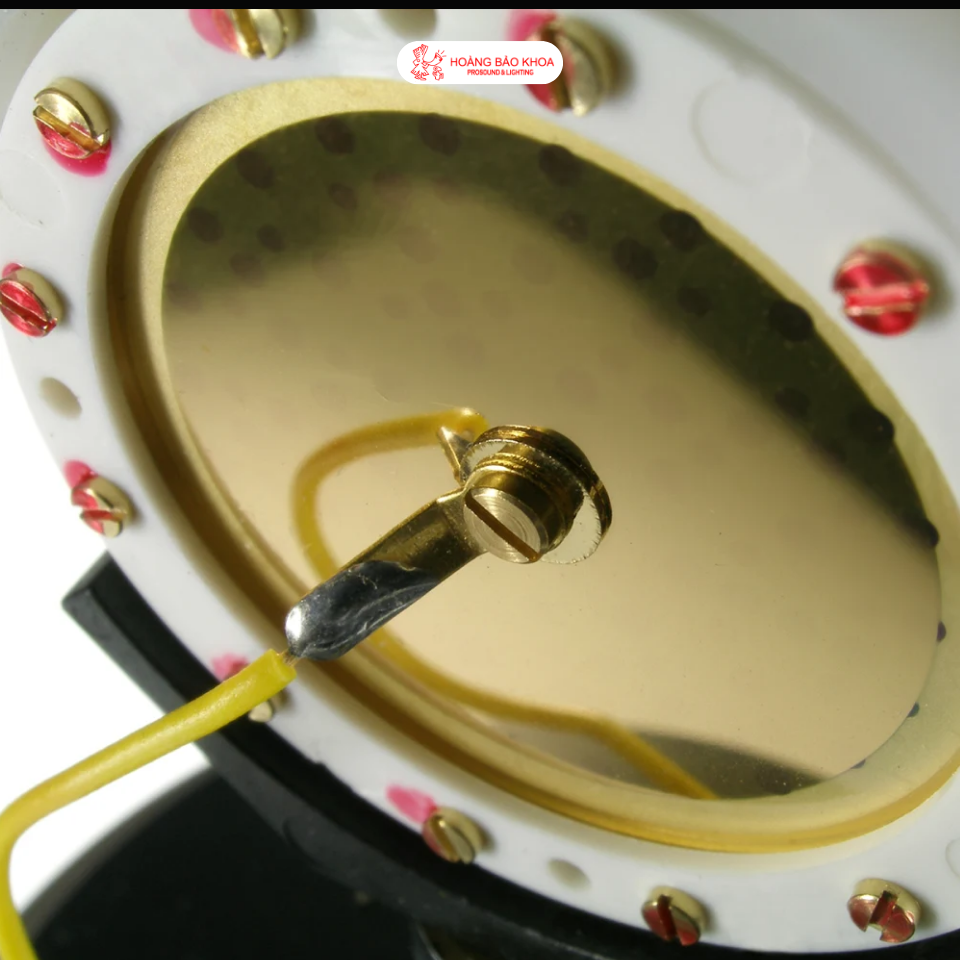
One of the main differences between the two Microphones lies in their output-stage architecture and overall circuit design.
Neumann M 49 V uses a K 49 capsule combined with tube circuitry and a BV11 output transformer. This configuration follows the architecture of the M 49 c and is recreated in the M 49 V. The BV11 transformer is an integral part of the microphone's circuit design.
Neumann M 149 Tube uses a dual-diaphragm K 47/49 capsule, a subminiature triode tube and a transformerless output stage. This design provides low output impedance and supports signal transmission over long cable runs.
Although both microphones use tube technology, they should not be expected to produce identical sonic characteristics. Their capsule designs, amplification circuits, output stages and overall architectures all contribute to their sound.
Differences in Polar Patterns
Polar-pattern control is one of the most noticeable differences between the two Microphones.
The Neumann M 49 V offers continuously variable polar patterns from omnidirectional through cardioid to figure-8. The pattern can be adjusted remotely using the NM V control unit. Rather than being restricted to a fixed selection of patterns, recording engineers can continuously adjust the directional response within this range.
The Neumann M 149 Tube provides nine selectable polar patterns, including omnidirectional, wide cardioid, cardioid, hypercardioid and figure-8, along with intermediate positions. Users select the desired pattern using a switch on the Microphone.
| Feature |
M 49 V |
M 149 Tube |
| Polar-pattern selection |
Continuously variable |
9 selectable patterns |
| Pattern range |
Omni to cardioid to figure-8 |
Omni, wide cardioid, cardioid, hypercardioid, figure-8 and intermediate positions |
| Control |
Remote via NM V |
Switch on the microphone |
| Main characteristic |
Flexible continuous adjustment |
Multiple defined pattern options |
The M 49 V's continuous adjustment is useful when changing the balance between direct sound and room reflections. The M 149 Tube is suitable for workflows that require quick selection among several defined directional patterns.
Differences in Self-Noise and Signal Performance
Self-noise is an important factor when comparing these microphones, particularly when recording quiet sources or when a clean signal is required.
According to Neumann's published specifications, the M 49 V has an A-weighted equivalent noise level of approximately 19-21 dB-A, depending on the polar pattern. The M 149 Tube has an A-weighted self-noise level of approximately 11-16 dB-A, depending on the selected pattern. Based on these specifications, the M 149 Tube has a lower self-noise level.
The M 149 Tube also features low output impedance through its transformerless output stage. According to Neumann, it can be used with cable runs of up to 300 metres without significant transmission loss under appropriate conditions.
The M 49 V uses a BV11 output transformer and a dedicated NM V power supply. Its design retains the M 49 c circuit architecture while using a selected tube to reduce noise compared with the historical tube.
However, lower self-noise does not automatically mean that the M 149 Tube will produce better recordings in every situation. Microphone selection should also consider the desired tonal characteristics, sound source, recording environment and signal chain.
Technical Specifications: M 49 V vs. M 149 Tube
| Specification |
M 49 V |
M 149 Tube |
| Operating principle |
Pressure-gradient transducer |
Pressure-gradient transducer |
| Capsule |
K 49 |
K 47/49 |
| Amplification |
Tube |
Tube |
| Output transformer |
BV11 |
Transformerless |
| Polar patterns |
Continuously variable |
9 selectable patterns |
| Frequency response |
40 Hz-16 kHz |
20 Hz-20 kHz |
| Sensitivity |
6.5 / 8 / 10 mV/Pa, depending on pattern |
34 / 47 / 62 mV/Pa, depending on pattern |
| A-weighted self-noise |
19-21 dB-A |
11-16 dB-A |
| Rated impedance |
200 & OMEGA; |
50 & OMEGA; |
Maximum SPL specifications should also be interpreted carefully because the measurement conditions are not identical. The M 49 V specifies 125 dB SPL in cardioid mode at 0.5% THD. The M 149 Tube specifies typical SPL values of 120 dB at K below 0.5% and 136 dB at K below 5%. These figures should not be compared directly to determine which microphone handles higher SPL in every situation.
Should You Choose the Neumann M 49 V or M 149 Tube?
The right choice depends on the desired sound and the technical requirements of the recording environment.
Neumann M 49 V is suitable for users seeking the classic Neumann tube-microphone architecture. Its continuously variable remote polar-pattern control is particularly useful when the recording engineer needs to adjust the balance between direct sound and room reflections. It is worth considering for vocal recording and other applications requiring flexible directional control.
Neumann M 149 Tube is suitable for users who need a versatile tube microphone with multiple polar patterns, low self-noise and several low-cut filter settings. It can be used for vocals, piano, acoustic guitar, electric guitar, upright bass, drum overheads and many other instruments.
Studio Tube Microphone
In summary, the M 49 V focuses on recreating the architecture and operating concept of the classic M 49, while the M 149 Tube combines the K 47/49 capsule with tube electronics and a transformerless output stage. They serve different recording priorities, so the appropriate choice depends on the studio workflow and intended application.
To learn more about Neumann Microphones, explore Studio Neumann or visit the Neumann Studio experience space at Hoang Bao Khoa. Experiencing the microphones in person can help you evaluate their polar patterns, sonic characteristics and compatibility with your recording setup.