The Neumann KU 100 is a binaural dummy-head microphone designed to record sound in a way that closely resembles human hearing in a real acoustic environment. With two condenser capsules positioned inside artificial ears, the KU 100 captures spatial cues that help reproduce direction, distance and ambience, creating a convincing three-dimensional listening experience, particularly over headphones.
What Is the Neumann KU 100?
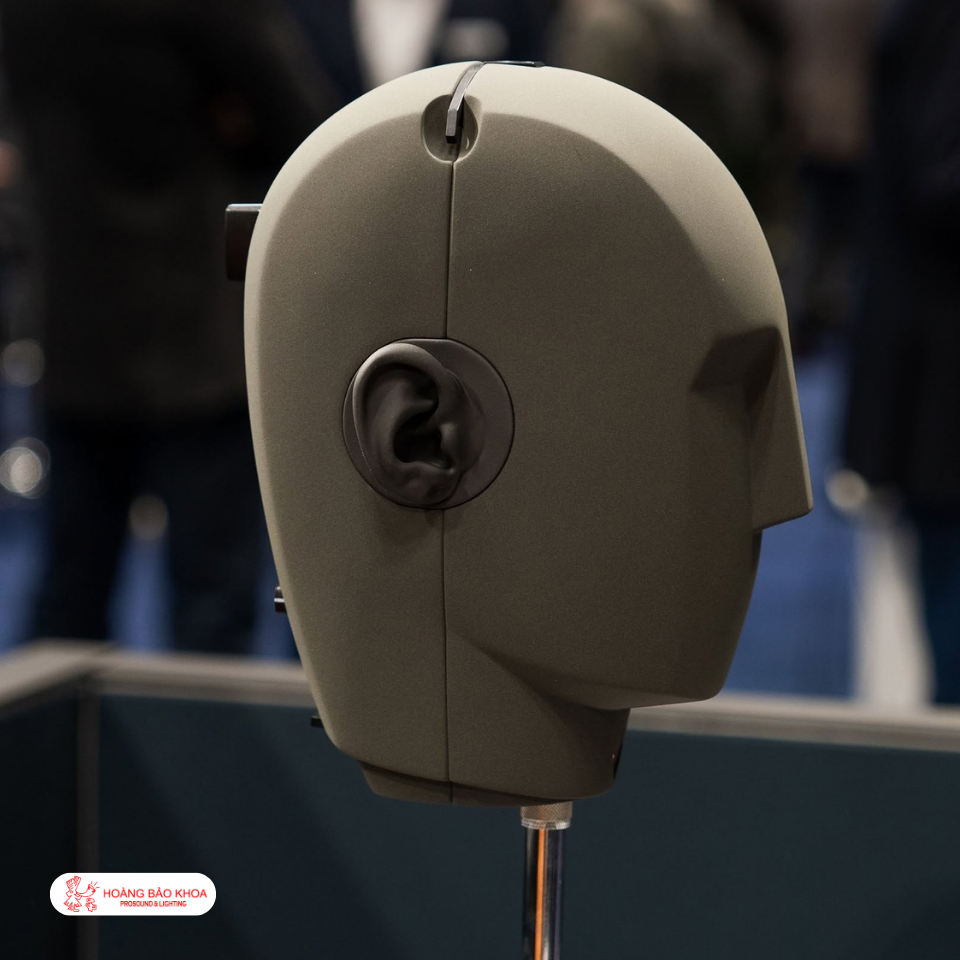
The Neumann KU 100 is a binaural stereo Microphone shaped like a human head, with two artificial ears housing the microphone capsules. Unlike conventional stereo recording, which typically relies on two Microphones positioned apart, the KU 100 also simulates the acoustic influence of the human head and outer ears on incoming sound.
It uses two omnidirectional condenser capsules, each positioned inside an artificial ear. The head and ear structures introduce differences in sound level, arrival time and frequency response between the left and right channels. These are important acoustic cues that the human brain uses to determine the position of a sound source.
How Does the KU 100's Binaural Recording Principle Work?
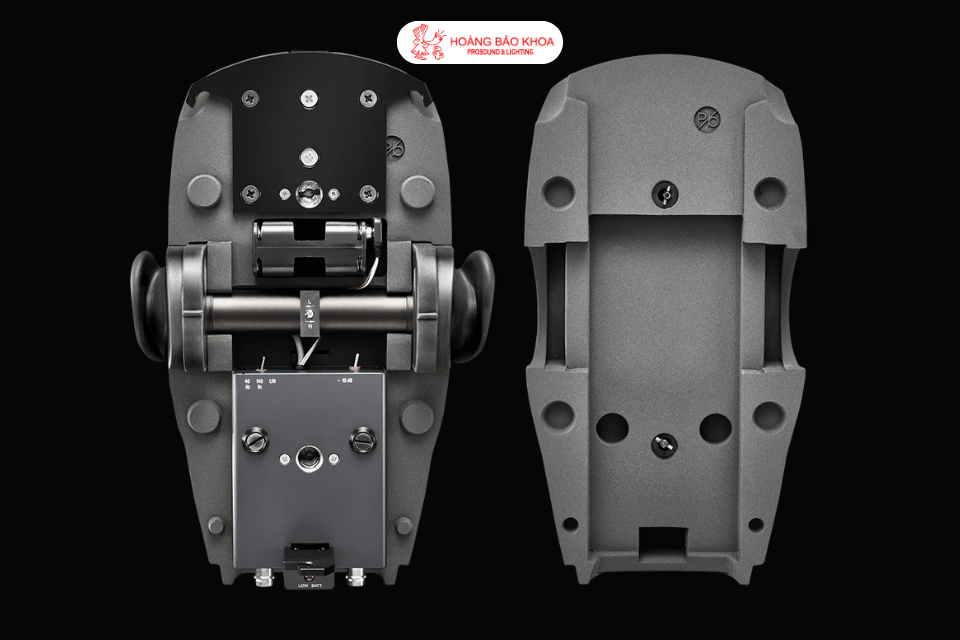
Understanding the KU 100 requires looking at how sound interacts with its artificial head and ears before being captured.
Step 1: Sound interacts with the artificial head and ears
When sound originates from a particular position, sound WAVES first encounter the KU 100's head and outer-ear structures before reaching the capsules. This creates natural differences between the signals arriving at the left and right ears.
Step 2: Two capsules capture independent signals
The two omnidirectional capsules record simultaneously, with each capsule capturing one stereo channel. The resulting recording contains not only the sound itself but also differences in timing, level and frequency response between the two sides.
Step 3: Spatial perception during playback
When the recording is played through stereo headphones, each ear receives its corresponding channel. The recorded differences help listeners perceive sound sources in front, behind, above, below or moving around their listening position.
Importantly, the KU 100 does not require a multichannel recording system to create a spatial experience. Its two-channel stereo configuration can reproduce three-dimensional sound because it simulates key aspects of human hearing.
Why Can KU 100 Recordings Create a 3D Sound Experience?
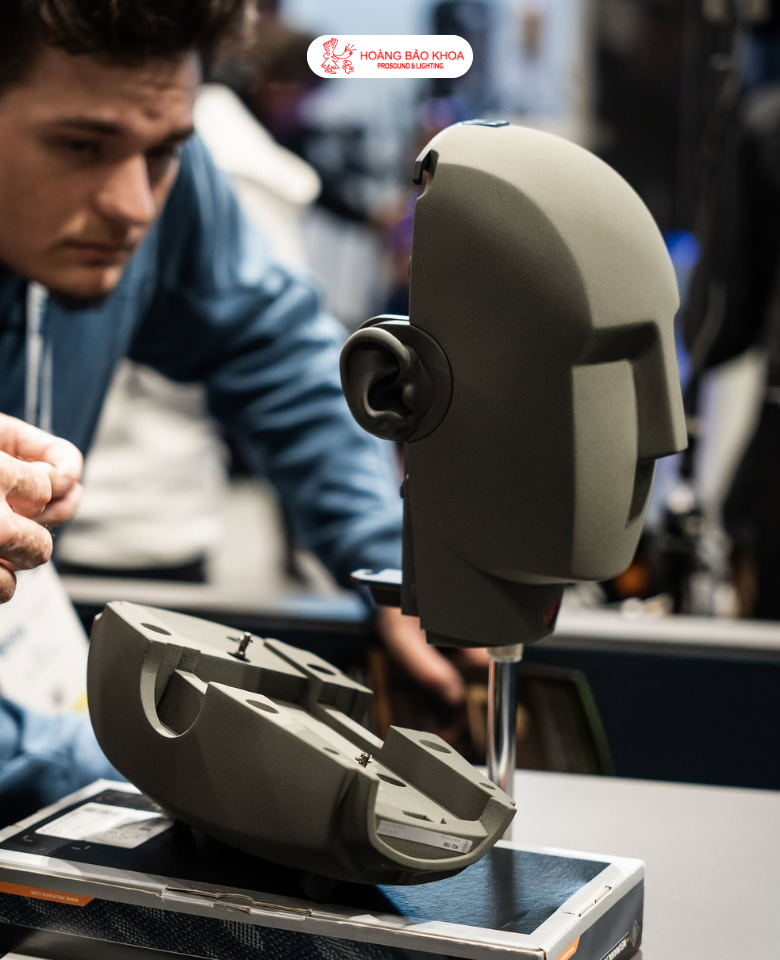
The KU 100's spatial reproduction relies on acoustic localization cues that humans naturally use when listening.
- Interaural Time Difference (ITD): Sound generally reaches the ear closer to the source before reaching the other ear. This timing difference helps the brain determine the sound's direction.
- Interaural Level Difference (ILD): The head creates an acoustic shadow, causing sound levels at the two ears to differ, particularly at higher frequencies.
- Outer-ear spectral cues: The shape of the outer ear modifies the frequency response depending on the direction from which sound arrives. These changes provide additional information for distinguishing front, rear and vertical sound positions.
The KU 100 simulates these effects through its artificial head and ear structures. As a result, the recording preserves important spatial information rather than simply capturing left and right audio as in conventional stereo recording.
Key Technical Features of the Neumann KU 100
The KU 100 uses transformerless circuitry to maintain low self-noise and handle high sound pressure levels. Its key specifications include:
| Specification |
Neumann KU 100 |
| Operating principle |
Pressure transducer |
| Recording configuration |
Binaural stereo, 2 channels |
| Capsules |
2 omnidirectional condenser capsules |
| Frequency response |
20 Hz–20 kHz |
| Sensitivity at 1 kHz |
20 mV/Pa |
| Equivalent noise level, A-weighted |
16 dB-A |
| Maximum SPL at 0.5% THD |
135 dB |
| Maximum SPL with -10 dB preattenuation |
145 dB |
| Outputs |
5-pin XLR stereo and unbalanced BNC |
| Powering |
P48 phantom power, AA batteries or external power supply |
The KU 100 also features a -10 dB preattenuation switch and a low-cut filter with three settings: linear, 40 Hz and 150 Hz. These controls affect both channels simultaneously, helping manage the signal in different recording environments.
Where Is the Neumann KU 100 Used?
With its ability to capture natural spatial information, the KU 100 is suitable for a range of Professional Audio applications:
- Music recording: Capturing the ambience of performances, classical music, acoustic music and live sessions.
- Audio drama production: Placing listeners within the story's environment through spatial sound and movement around the listener.
- Binaural content production: Creating immersive audio for podcasts, artistic content and headphone-based productions.
- Environmental sound recording: Capturing and evaluating sound in environments such as vehicles and workplaces.
The KU 100 is optimized for headphone listening, although its recordings are also compatible with loudspeaker playback. However, the three-dimensional localization effect is generally most apparent when listening through high-quality stereo headphones.
To explore Neumann microphones and Neumann Professional Recording Studio Equipment, visit Studio Neumann or discover the Neumann Studio experience space at Hoang Bao Khoa. It offers an opportunity to learn about Neumann equipment and experience how its solutions are used in a studio environment.