What can technical specifications tell us about a microphone? Is it possible to choose the right microphone simply by comparing datasheets or looking at frequency response graphs? Or is listening still the best approach? Both measurement and real world experience play an important role in evaluating microphone quality.
How Are Measurement and Listening Different?
There is an opinion that manufacturers today spend too much time looking at graphs and optimizing Microphones to achieve the best possible specifications, rather than focusing on sound quality. However, this is not true.
At Neumann, Microphone developers still use their ears to determine what sounds good and what does not.
Sound is subjective. However, this does not mean that sound is entirely arbitrary. Everyone has different listening preferences, but we can still distinguish between good taste and poor taste. Good sound is the result of good aesthetic judgment.
However, turning that aesthetic judgment into products with good sound requires technical expertise together with accurate measurements.
Why Are Measurements Still So Important?
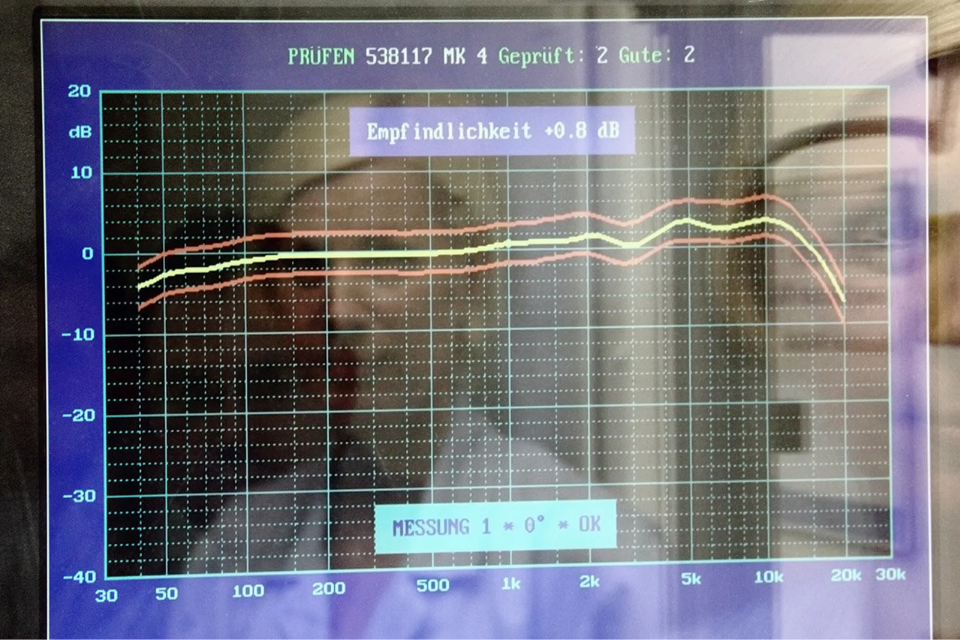
Measurements are always necessary to confirm that each microphone meets the defined objective criteria.
For example, specifications such as noise performance and frequency response need to be checked to ensure that the Microphone meets the desired technical requirements.
Engineering should not be based solely on assumptions.
In addition, measurements play an essential role in ensuring consistency during the manufacturing process. Paying attention to good technical specifications is not only about creating impressive numbers on a datasheet, but also about ensuring consistent product quality.
Can You Choose a microphone Simply by Comparing Specifications?
A datasheet provides objective and essential information about a Microphone. However, technical specifications cannot completely replace listening.
Questions such as how much self-noise a microphone has, what its maximum SPL is, or what its frequency response looks like can all be answered through measurement.
But to understand what a microphone actually sounds like, listening still plays an important role.
This stems from the nature of sound: sound is subjective.
Therefore, evaluating a microphone should not be based solely on a single number or an individual graph.
Why Should Microphone Users Care About Good Technical Specifications?
A microphone with poor quality can force users to find ways to compensate for the limitations of the equipment instead of focusing on sound.
For example, users may have to deal with issues such as excessive noise or other limitations of the microphone.
For Neumann, studio tools should not become an obstacle to creativity. This is even more important in a home studio, where users create and work out of their own passion and experience.
In the Studio, Technical Quality Is Essential
In a studio environment, technical quality should be a basic standard.
Studio recordings are created to be preserved for the long term. They capture the best that the person creating them can produce. Therefore, these important moments should not be compromised by poor sound, audible noise, or other artefacts.
According to Neumann, with its microphones, these issues should not become an obstacle.
However, an increasing number of Microphones marketed as studio microphones are manufactured to lower standards, particularly in the affordable entry-level segment.
Measurement or Listening: Which Is More Important?
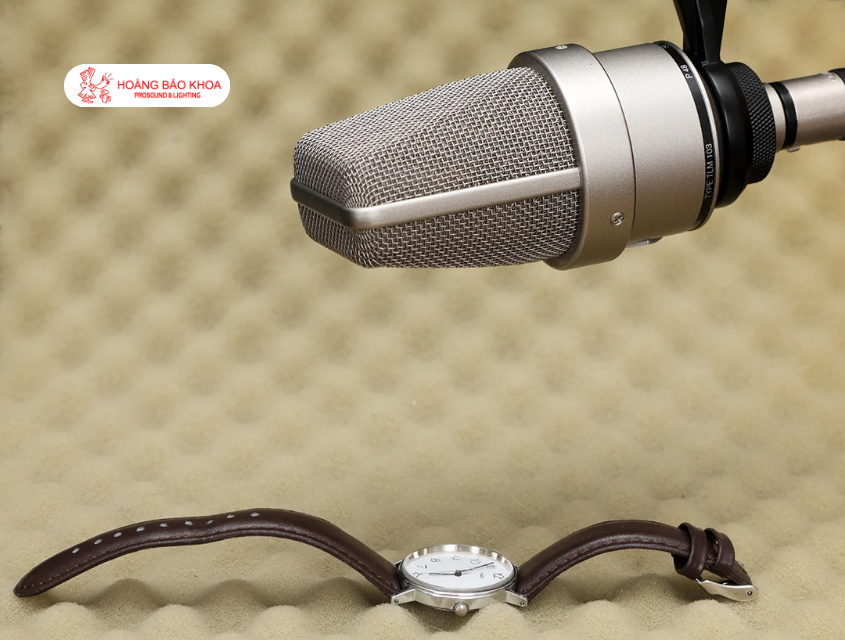
Measurement and listening are not mutually exclusive methods.
Accurate measurements help confirm the objective technical characteristics of a microphone and ensure consistency during the manufacturing process.
Meanwhile, listening helps evaluate sound quality in a way that technical specifications alone cannot fully represent.
Therefore, both measurement and listening are necessary. Technical expertise and accurate measurements help turn aesthetic judgment into products with good sound quality.
How Do Microphone Specifications Relate to the Recording Experience?

Understanding the specifications in a datasheet is an important step toward gaining a clearer understanding of a microphone and what to expect when using it.
The following content in Neumann’s knowledge series explores individual microphone specifications in greater depth and examines the relationship between these technical specifications and the real-world recording experience.
From Maximum Sound Pressure Level and Self-Noise to Frequency Response, understanding each specification correctly gives users a better basis for evaluating a microphone.
The Real-World Experience at Neumann Studio
Technical specifications provide an objective perspective, while listening directly helps users better perceive the sound characteristics of a microphone.
At Hoang Bao Khoa, Neumann Studio provides a space where customers can directly experience Neumann products in a real studio environment, combining an understanding of specifications with listening to gain a more complete perspective on the equipment.