Neumann has brought the M 50 back with the M 50 V, continuing the legacy of the tube microphone introduced in 1951 and closely associated with the Decca Tree technique. The new version retains the M 50's distinctive acoustic concept while introducing a titanium diaphragm, low-noise subminiature tube and RF-proof connectivity for contemporary recording environments.
The M 50 V Brings the M 50 Design Back
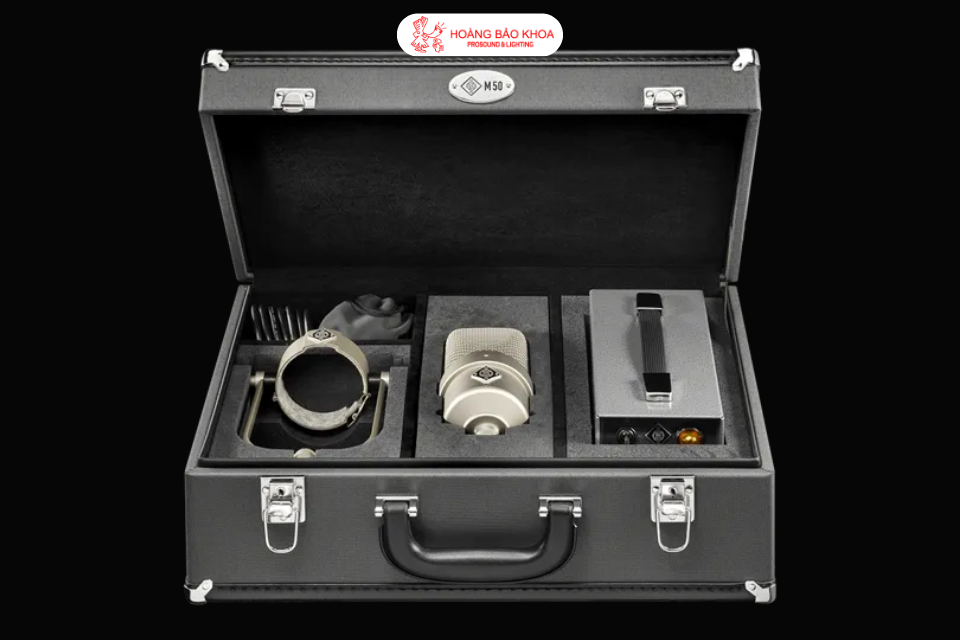
The M 50 V is a reissue of the M 50, a Microphone first introduced in 1951. The M 50 became an important microphone for orchestral recording and played a role in the development of the Decca Tree technique thanks to its distinctive polar pattern and transient response.
With the M 50 V, Neumann retains the acoustic foundation of the original design, bringing it back as part of today's Neumann Microphones for professional recording.
The M 50's Distinctive Capsule Design
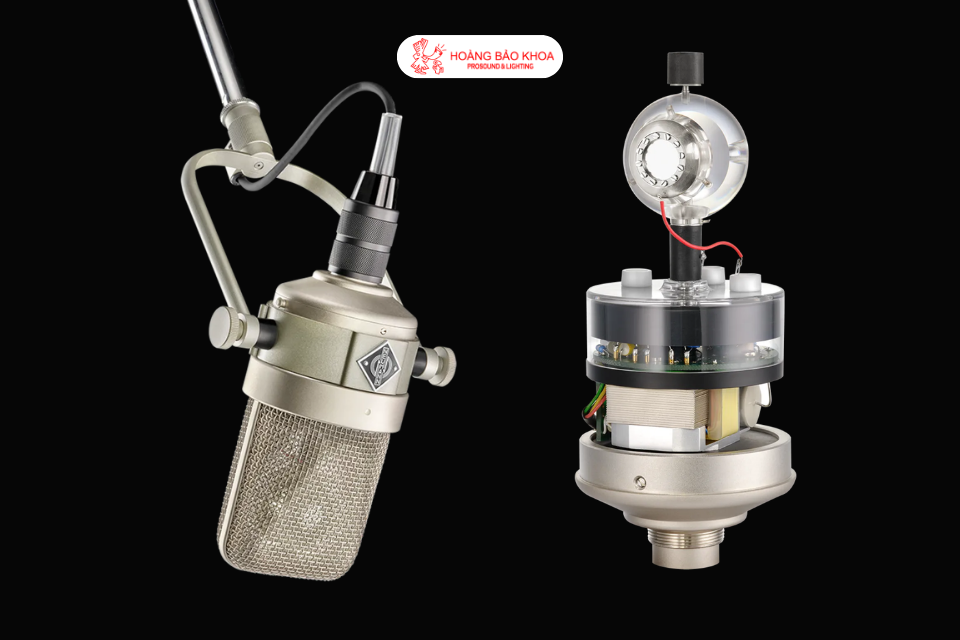
The M 50 V retains the M 50's acoustic concept, with a small-diaphragm omnidirectional capsule mounted in a 40 mm sphere.
This design produces a distinctive polar response: the Microphone is omnidirectional at low frequencies and becomes increasingly directional at higher frequencies.
For the M 50 V, Neumann has introduced a titanium diaphragm to improve stability and longevity while preserving the acoustic principle of the original design.
Tube Design and RF Protection for Modern Environments
Inside the M 50 V is circuitry based on the original design, combined with a specially selected low-noise subminiature tube.
Neumann has also incorporated RF-proof connectivity to improve immunity against interference in today's environments, where wireless transmissions are increasingly common.
These refinements have been implemented while retaining the design principles behind the original M 50, extending its legacy within Neumann Professional Recording microphones.
The M 50 and the Decca Tree Technique
The M 50 is closely associated with the Decca Tree technique developed for stereo orchestral recording. The configuration uses three Microphones and became an important technique for recording orchestras.
The M 50's polar characteristics and transient response were among the qualities that made it well suited to the Decca Tree arrangement.
Over the decades, the M 50 has been used for classical recording and film scoring, applications that remain central to the role of the M 50 V.
The M 50 V Is Adapted for Modern Recording Workflows
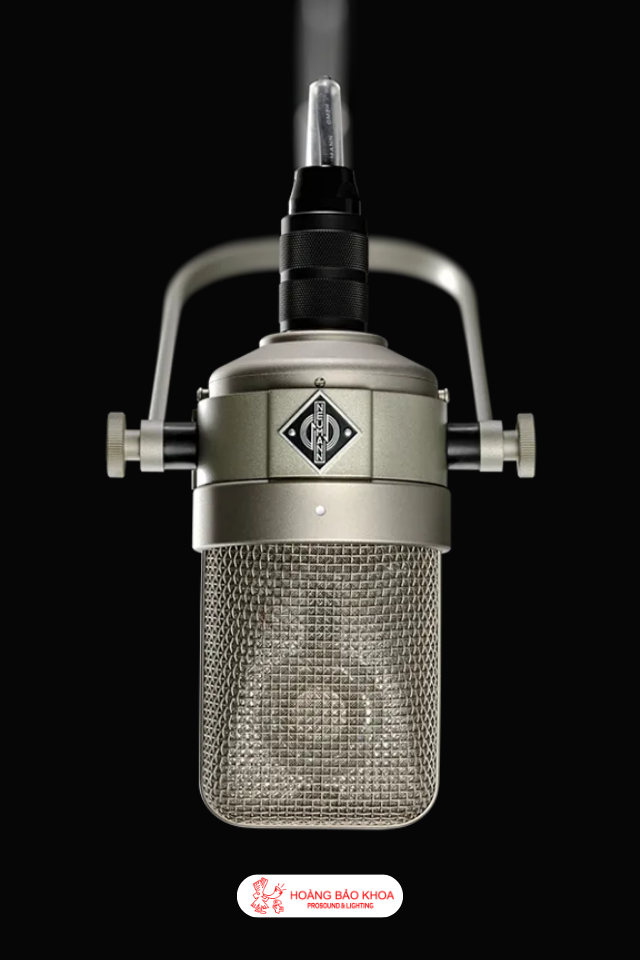
Alongside its titanium diaphragm and RF-proof connectivity, the M 50 V employs a specially selected low-noise subminiature tube.
Each M 50 V is handmade in Germany. The new version also includes a yoke mount with mechanical decoupling to provide improved isolation from mechanical vibration.
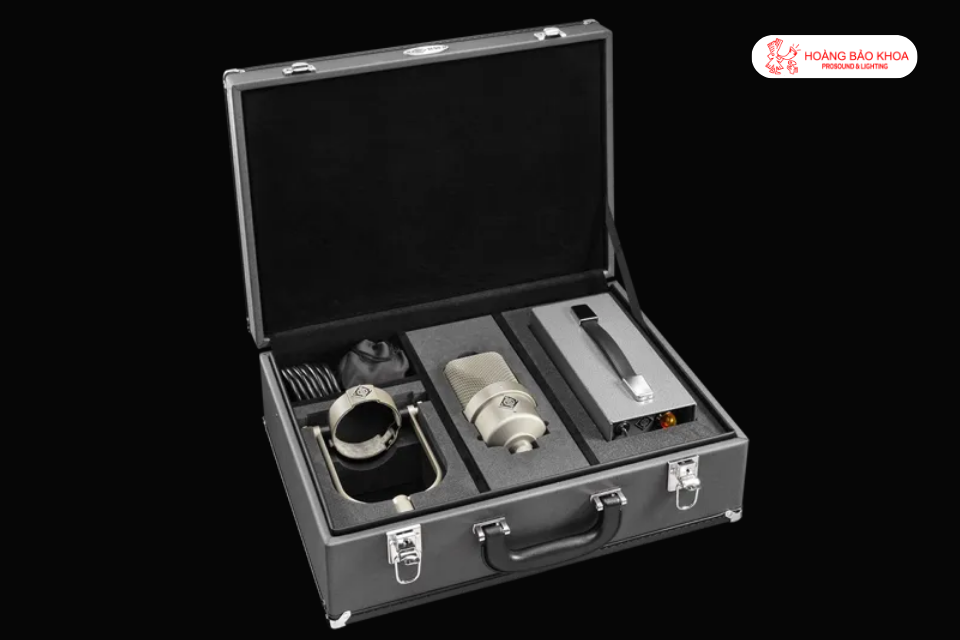
The M 50 V SET also includes the NM V power supply with automatic voltage adaptation, RF-proof connectors and cable, and a protective case.
Continuing the M 50 Legacy in Orchestral Recording
The reintroduction of the M 50 V brings the M 50 design back after decades. Neumann preserves its distinctive acoustic concept while introducing changes to the diaphragm, tube, connectivity and mounting for contemporary recording environments.
The M 50 V continues to target orchestral recording and film scoring, including stereo, surround and immersive workflows.
Explore the Neumann Studio Ecosystem at Hoang Bao Khoa
Alongside the M 50 V and Neumann's recording microphone solutions, users can explore the wider Neumann Studio ecosystem at hoang bao khoa.
Users can also discover Neumann Studio Equipment in a studio environment and better understand how microphones and other components are integrated into recording and monitoring workflows.
Source: Sound On Sound - Neumann Reintroduce M 50 V