The Neumann NDH 20 marked the company's first entry into studio headphones. Combining a closed-back, over-ear design with robust construction and high isolation, the NDH 20 is not intended to make recordings sound more flattering. Instead, it focuses on monitoring and analytical listening, helping recording engineers identify problems in recordings and mixes that can be difficult to hear on other systems.
Neumann's First Headphones
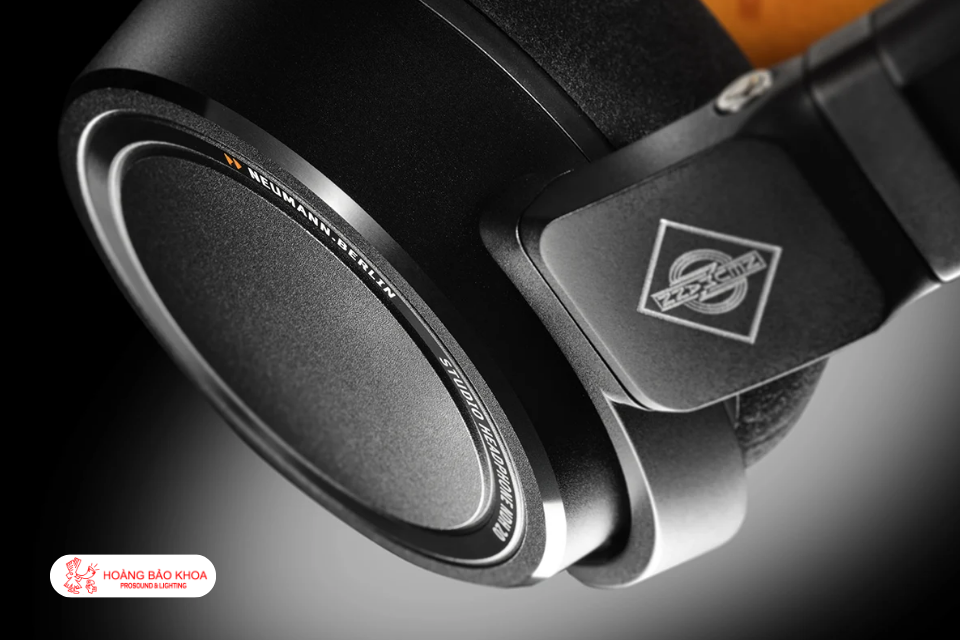
Before the NDH 20, Neumann had established product ranges in Microphones and studio monitors, but the brand had never offered headphones. The launch of the NDH 20 changed that.
The NDH 20 introduced Neumann Studio Headphones in a closed-back, over-ear, moving-coil design intended to balance the sound quality required for critical listening with practical studio requirements such as isolation, durability and maintenance.
Built for Studio Use
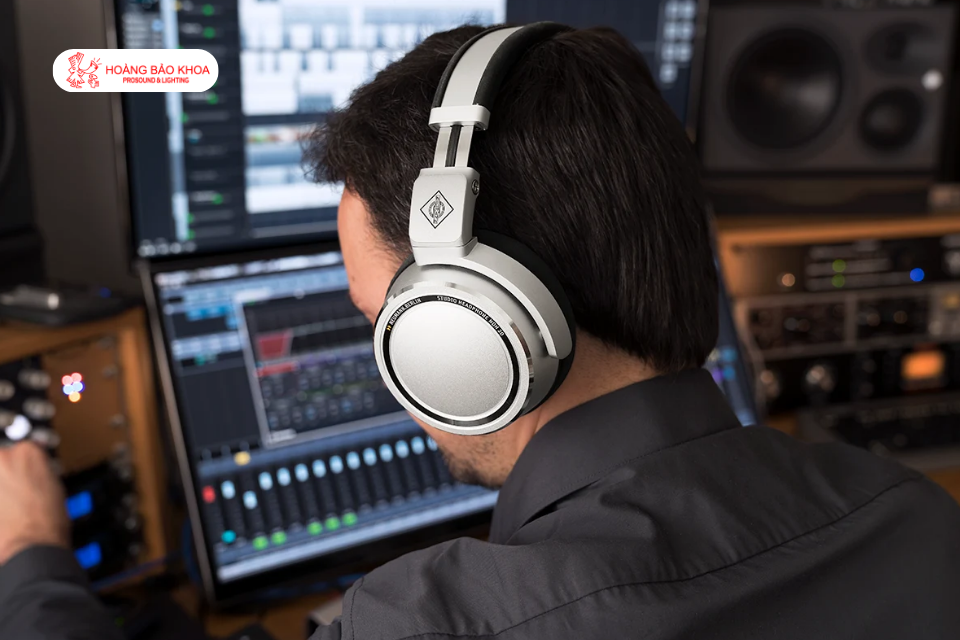
The NDH 20 is physically substantial and noticeably larger than many other closed-back headphones. Headband size is adjusted using conventional notched extensions, while each earcup is attached to a single metal arm at the rear.
The attachment provides vertical movement to accommodate different head shapes, while hinges allow the earcups to rotate through 90 degrees and lie flat in the plane of the headband.
The earcups are almost completely circular and constructed from aluminium. At 390g without the cable, the NDH 20 is relatively heavy, although Sound On Sound found its build quality consistent with expectations for a Neumann product.
Detachable Cables and Practical Construction
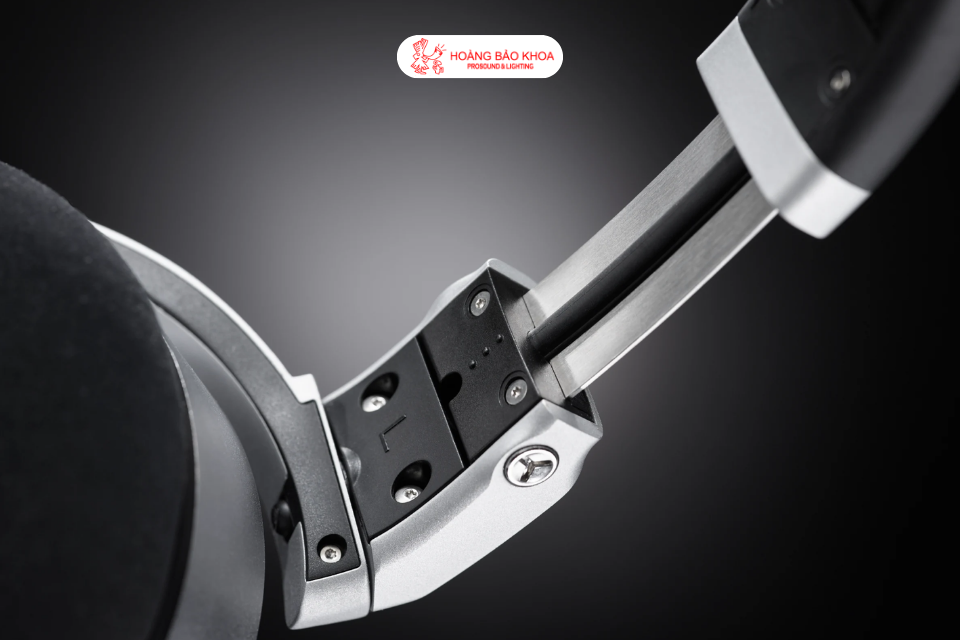
Unlike many headphones that place the single-sided cable connection on the left, the NDH 20 uses a locking 2.5mm connection on the right earcup.
Two 3m detachable cables are supplied, one straight and one coiled. Both terminate in a 3.5mm jack and include a screw-on 6mm adaptor.
The cables are unusually substantial and appear to be armoured. While this should contribute to durability, Sound On Sound notes that knocks and scrapes on the cable can be transmitted acoustically to the earcups.
The robust construction, field-replaceable components and removable cables support the studio-focused design of Neumann Professional Studio Headphones.
150& OMEGA; Impedance and Sensitivity
The NDH 20 has a nominal impedance of 150& OMEGA;, higher than many contemporary headphones designed around impedances below 100& OMEGA;.
However, the headphones are also relatively sensitive, with Neumann specifying 114dB SPL for 1V RMS at 1kHz.
Sound On Sound found that the NDH 20 could reach sufficient listening levels with every device used during the review, without any noticeable change in overall tonality.
Neumann specifies a frequency response of 5Hz to 30kHz, although the review notes that this figure is of limited value without a stated tolerance.
Isolation as a Core Design Priority
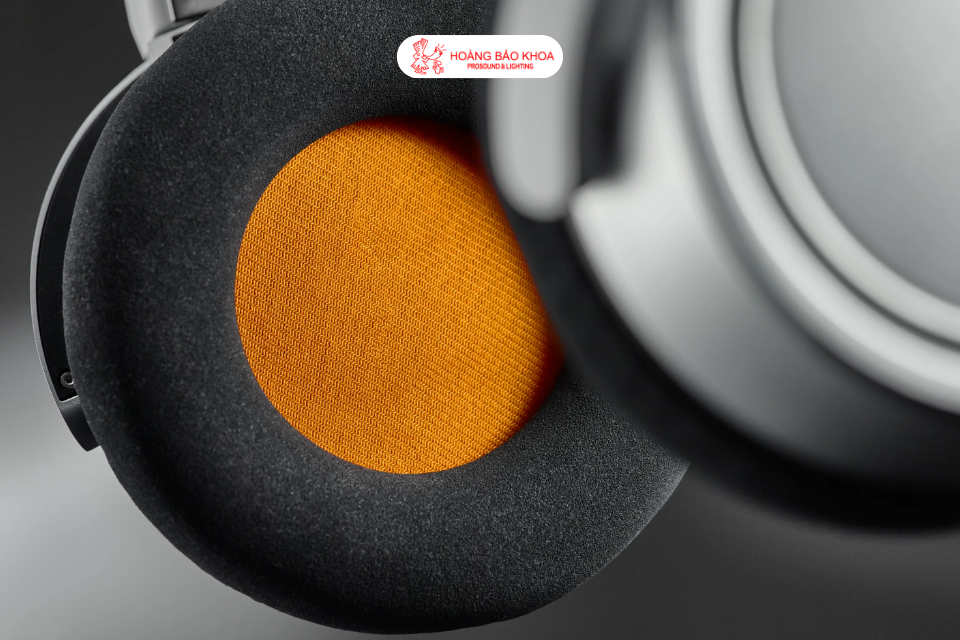
Neumann specifies at least 34dB of isolation above 4kHz. In practical use, Sound On Sound found that the NDH 20 provided substantially better rejection of external sound and containment of spill than almost all other closed-back headphones the reviewer had tried.
This makes Neumann Monitoring Headphones relevant to situations where isolation is important, including working in noisy environments and monitoring where headphone spill needs to be controlled.
There is, however, a trade-off between isolation and comfort. Neumann specifies contact pressure of 5.6 to 6.8 Newtons, and the reviewer found the pressure noticeable, particularly below the ears.
Designed for Analytical Listening
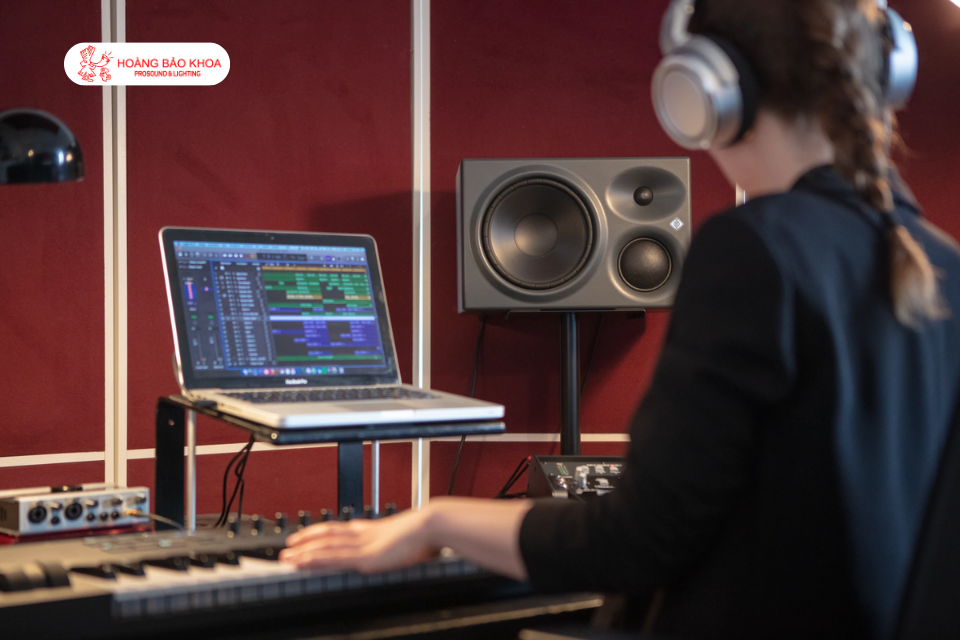
The NDH 20 did not immediately impress the reviewer with an exciting or flattering presentation. It does not add the elevated air band often used to create a polished character, nor a forward midrange intended to make music sound more exciting.
With extended use for mixing, editing and music listening, however, the reasoning behind the design became clearer.
Sound On Sound found that Neumann had approached the NDH 20 specifically as a studio tool rather than repurposing a hi-fi headphone design.
The clean presentation of Neumann Mixing And Mastering Headphones proved particularly useful for revealing problems in mixes.
The reviewer found that the NDH 20 exposed resonances, unevenness and muddiness in the lower midrange that had gone unnoticed on studio monitors and other headphones. After correcting those problems with EQ, the same mixes also improved when replayed on the other monitoring systems.
Despite their relatively restrained tonality, the headphones were also reliable for identifying vocal sibilance and problems higher in the frequency spectrum.
Sonarworks Measurements
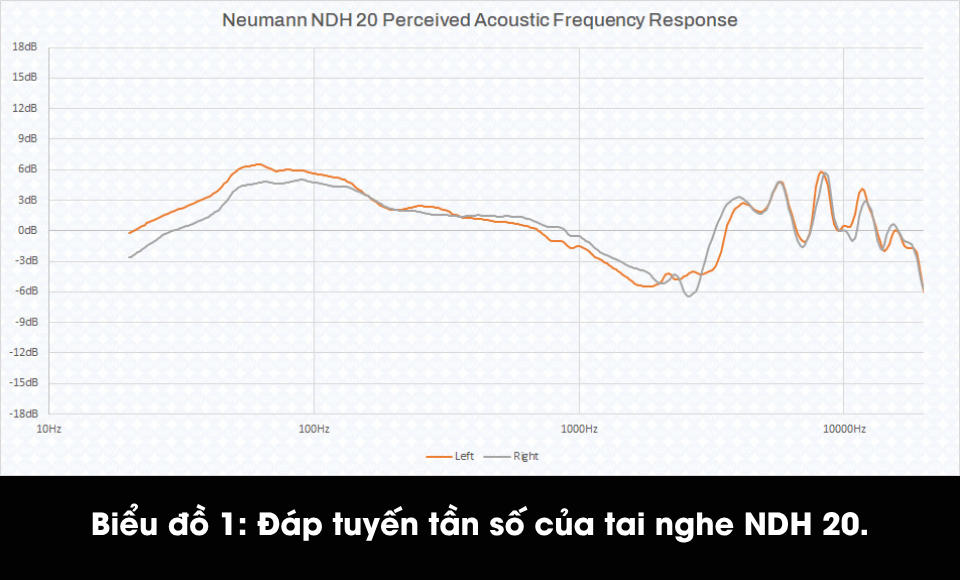
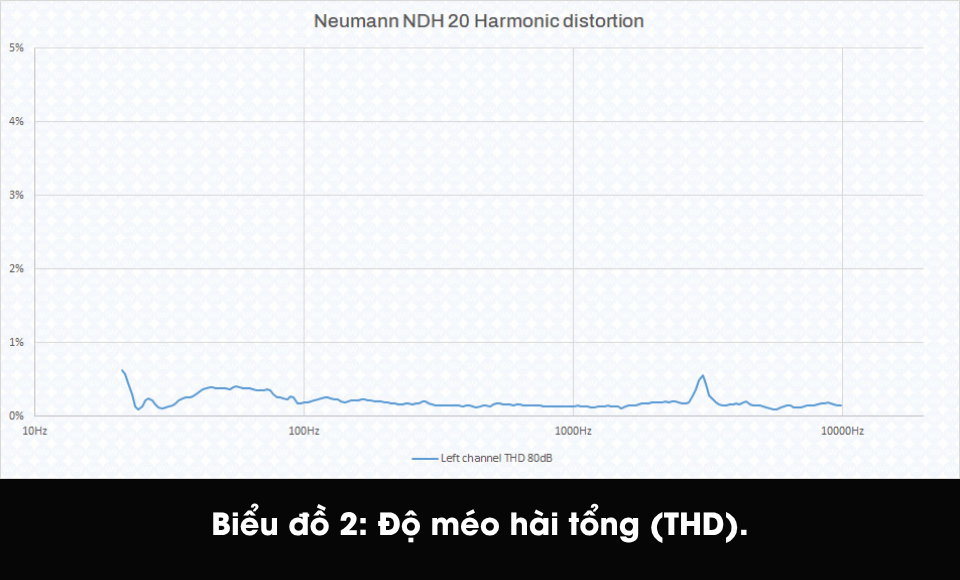
During the review, Sonarworks measured the NDH 20 using its proprietary measurement system.
The measured frequency response showed a broad reduction around 2kHz, several peaks higher in the frequency range and a general emphasis at low frequencies. The difference between the left and right earcups was thought likely to result from the cable-entry point on the right earcup.
The total harmonic distortion measurements were more striking. THD remained below 0.6 percent across the measured range, including at the extreme low end where driver excursion is greatest.
A Studio-focused Monitoring Tool

Sound On Sound found that the NDH 20 requires some acclimatisation because its design prioritises what is useful for studio work rather than what is immediately enjoyable to hear.
Its clean, full-range presentation makes it an effective analytical listening tool, while its high degree of isolation provides an advantage over many other closed-back designs.
Comfort is less impressive, and no proper carrying case is supplied. Nevertheless, the review concludes that Neumann identified a genuine niche for a specifically studio-focused headphone and that the NDH 20 fills that role successfully.
Experience the Neumann Studio Ecosystem at Hoang Bao Khoa
Alongside the NDH 20, users can explore the wider Neumann Studio ecosystem at hoang bao khoa.
The space also provides an opportunity to experience Neumann Studio Equipment in a practical studio environment, including headphones, monitoring systems and equipment used throughout recording workflows.
Source: Sound On Sound – Neumann NDH 20