An investment of hundreds of millions, even billions, yet after only one to two years, the sound system begins to “show symptoms”: distorted audio, continuous microphone feedback, or worse, equipment suddenly stopping in the middle of an important event.
Why does expensive equipment still deteriorate so quickly? In reality, equipment rarely fails on its own; it is often the “victim” of a chain of mistakes, from the design stage through to operation.
“Mistakes at the starting line”: Choosing equipment instead of solutions
Many investors make mistakes from the very beginning by focusing solely on speaker brands while overlooking the core factor: overall system compatibility.
Using “home-grade” gear for “industrial” demands: Applying semi-professional equipment to high-intensity environments such as auditoriums, bars, or churches is the fastest way to drain the lifespan of the system.
A “top-heavy” system: High-end speakers paired with low-cost DSP processors or poor-quality cabling. This is no different from installing a Ferrari engine into an old chassis. The system will quickly degrade due to overload and signal interference.
Poor installation - The silent killer
A durable audio system depends up to 40% on installation quality. Minor technical mistakes can lead to serious long-term consequences.
-
Inadequate heat dissipation: Electronic equipment confined in tight rack cabinets without proper airflow causes internal components to age prematurely due to excessive heat.
-
Incorrect wiring practices: Running signal cables alongside power lines introduces interference, while low-quality connectors oxidize easily, resulting in a 50–70% loss in audio performance after a humid season.
Destructive operating habits
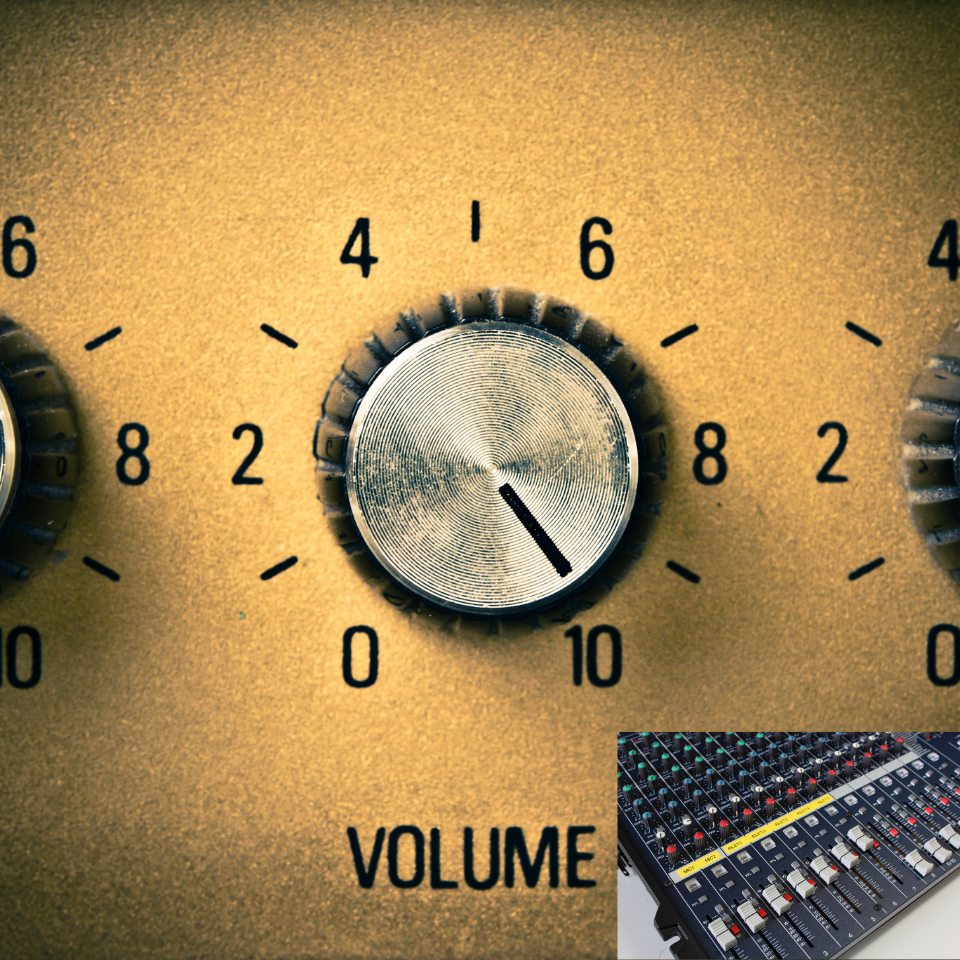
Even the most robust equipment will fail quickly if operated incorrectly.
-
Overloading: Constantly pushing mixer output levels to the maximum without understanding system headroom causes speaker diaphragms to loosen or voice coils to burn out.
-
Incorrect power sequencing: Powering equipment on or off in the wrong order creates electrical SURGES, producing loud “pops” through the speakers and directly damaging sensitive components.
Neglecting maintenance - Durability depends on the user
An audio system, much like a car, requires regular inspection and maintenance.
Dust and humidity: These are the two biggest enemies in Vietnam’s climate. Dust can cause short circuits, while humidity deteriorates speaker diaphragms and oxidizes electronic components.
Without periodic cleaning and technical recalibration, minor issues accumulate and eventually lead to catastrophic failures that render the equipment beyond recovery.
How to preserve the “youth” of your audio system
To ensure stable operation for more than 10 years, a structured and long-term investment mindset is essential.
-
Integrated system design: Allow professionals to calculate actual power requirements based on space size and usage characteristics, ensuring the system operates at only 70–80% capacity to significantly extend lifespan.
-
Standard-compliant accessories: Genuine cables and connectors are the “circulatory system” of the entire setup and should never be compromised to cut costs.
-
Operational training: End users must be properly instructed on correct power sequencing and mixer operation according to technical standards.
At Hoàng Bảo Khoa, we do more than install equipment. We establish a comprehensive asset protection process for our clients. Every project is engineered with optimized thermal management, interference prevention, and a strict periodic maintenance program, ensuring long-term reliability from day one.
Conclusion
Equipment degradation is not inevitable. It is the result of inadequate technical investment. Doing it right from the start is the most effective way to reduce long-term costs.