Max SPL (Maximum Sound Pressure Level) is a specification commonly found in microphone technical specifications. However, there is still some confusion about what this value means. Max SPL is not the maximum sound level a microphone can withstand before being damaged, but rather the maximum sound pressure level a microphone can handle before distortion begins to occur.
What Is Max SPL?
There is a common misconception that Max SPL is the maximum sound pressure level that a Microphone can withstand without being damaged. However, this is not an accurate understanding.
Max SPL actually indicates the maximum sound pressure level that a microphone can handle before audible distortion begins to occur.
In other words, the Max SPL specification in a datasheet indicates how much sound level a Microphone can handle before distortion begins to appear in the signal.
How Is Max SPL Related to Distortion?
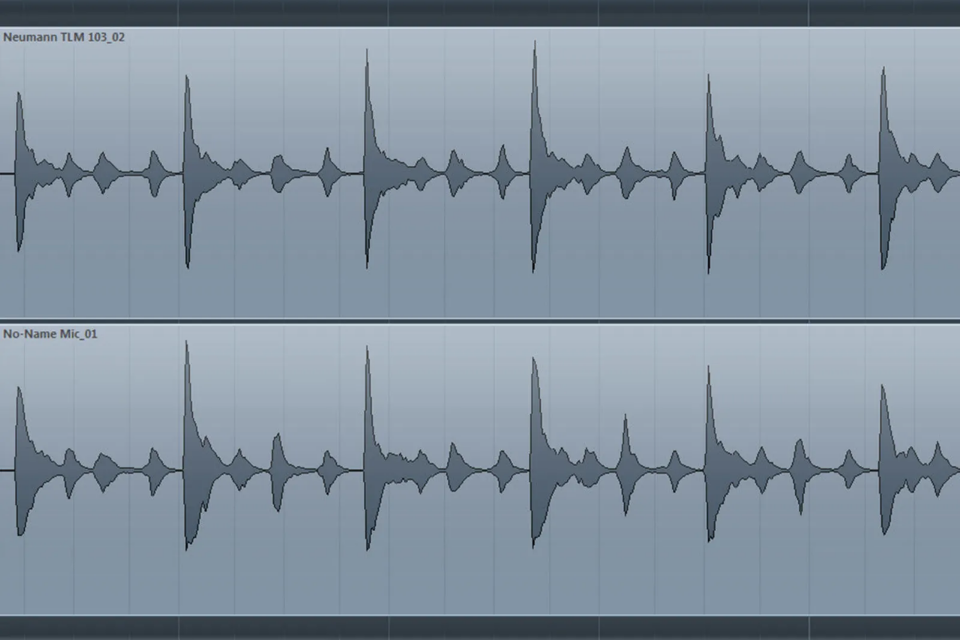
Traditionally, the threshold used for measurement is 0.5% Total Harmonic Distortion (THD). This is simply the point at which distortion begins to appear, and in many cases, this level of distortion is barely audible.
When microphone technology began to develop, broadcasting was one of its primary applications. Broadcasters required clean sound, while Rock & Roll had not even emerged yet.
Today, many younger manufacturers measure Max SPL at 1% THD, resulting in Max SPL figures that appear higher.
How Much SPL Can a Condenser Microphone Handle?
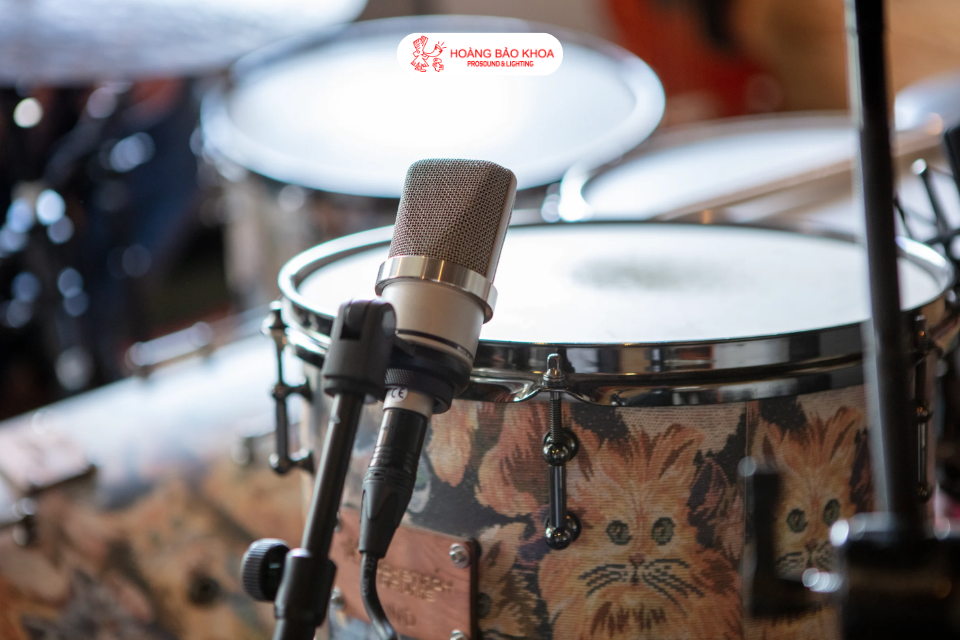
In the early days, condenser Microphones had relatively limited SPL handling capabilities. Many older models could only reach a Max SPL of around 120 dB.
However, many modern microphones are capable of handling very high sound pressure levels without distortion.
For example, the Neumann TLM 102 can handle levels of up to 144 dB SPL. This is a very high level, far beyond the sound levels you are likely to record in a home studio.
When Does Max SPL Really Matter?
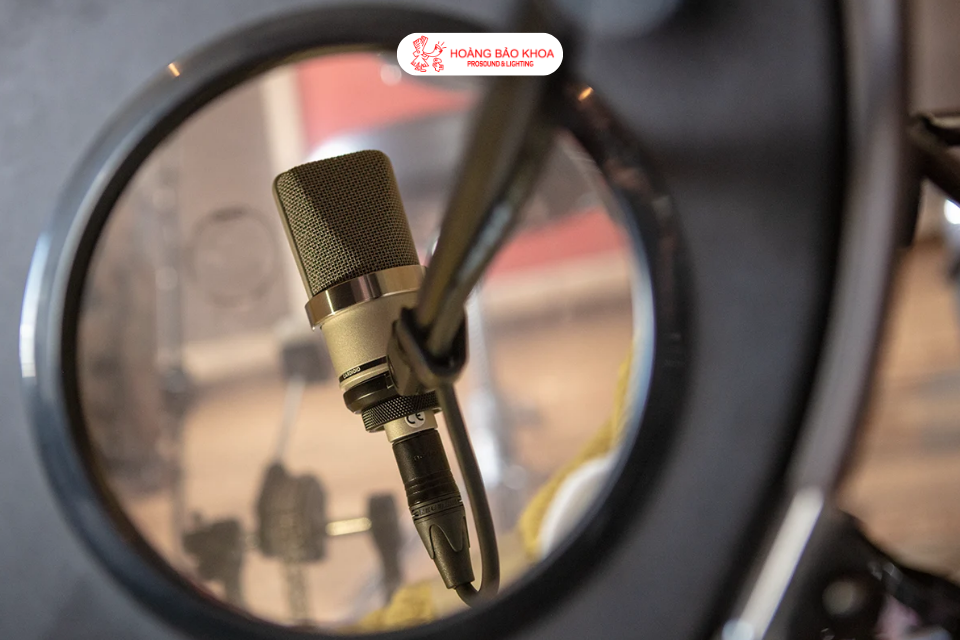
In most cases, Max SPL is not a specification you need to worry too much about if you are not recording Drums.
However, some percussion instruments can produce very high sound pressure levels. A tambourine, for example, can be much louder than people might expect. When a microphone is placed close to the source, a tambourine can easily reach SPL levels above 120 dB.
This is not a problem for modern condenser Microphones such as the Neumann TLM series, but many older condenser microphones or models with a “vintage” character may be susceptible to distortion. The same can also occur with many entry-level condenser Microphones.
Do Dynamic microphones Have a Max SPL Specification?
With the exception of ribbon microphones, dynamic microphones rarely have a published Max SPL specification.
This does not mean that the SPL handling capability of dynamic microphones is unlimited. However, in practice, this limit rarely becomes an issue.
With older models, SPL handling can become an issue due to the effects of aging.
If a Recording Is Distorted, Is the Microphone to Blame?
Distortion in a recording does not always come from the microphone.
In a home studio, in most cases, users may need to be more concerned about environmental noise before worrying about the microphone’s Max SPL handling capability.
Some exceptions are instruments that produce very short peaks or contain little information in the low-frequency range, such as certain percussion instruments like tambourines or triangles.
If distortion is detected in a recording, the cause may often not be the microphone but rather a preamp or A/D converter clipping.
Does Max SPL Really Matter When Choosing a Microphone?
Max SPL is a specification that helps determine the sound level a microphone can handle before distortion begins to appear.
However, for typical recording applications in a home studio, this specification rarely becomes an issue. The situations that require more attention generally involve Drums or high-level percussion instruments, especially when the microphone is placed close to the source.
Therefore, when reading a microphone datasheet, it is important to understand Max SPL correctly as the threshold at which distortion begins to appear, rather than viewing it as the limit a microphone can withstand before being damaged.
Understanding Max SPL in a Real Studio Environment
Understanding specifications such as Max SPL, THD, and clipping helps users read microphone datasheets more accurately and identify situations where SPL handling capability actually becomes important.
At Hoang Bao Khoa, Neumann Studio provides a space where customers can directly listen to and experience Neumann products in a real studio environment, giving them an opportunity to better understand microphone characteristics and how they respond in practical use.