In many cases, microphone audio can sound dull, lacking detail, or unclear-even when using well-rated equipment. In reality, sound quality is not determined by a single device, but by the entire signal chain. When issues occur, accurately identifying the point of failure within the chain allows for faster and more effective troubleshooting, rather than unnecessary equipment replacement.
Sound Source and Microphone Technique
The starting point of any audio signal chain lies in the sound source and how the microphone is used.
An improper distance between the Microphone and the sound source can result in weak signals or lack of detail. Pickup direction also directly affects clarity, especially with directional Microphones such as cardioid types.
In addition, inconsistent input levels can reduce the overall quality of the captured signal.
- Position the microphone at an appropriate distance from the sound source
- Optimize pickup direction based on Microphone characteristics
- Maintain a stable input signal level
Even with high-quality microphones, incorrect placement or poor technique can lead to unclear and unfocused sound.
Gain Setup and Signal Processing in the Mixer
After the microphone, the signal passes through a mixer or audio interface, where gain staging plays a critical role.
If the gain is too low, the signal becomes weak and prone to noise when amplified later. On the other hand, excessive gain can cause distortion and loss of detail.
Proper gain balance ensures clarity and stability throughout the entire signal chain.
- Set gain at an optimal level, avoiding extremes
- Maintain consistent signal levels across the chain
- Minimize noise and distortion
Additionally, improper EQ usage can make the sound muddy or lack presence. Incorrect frequency boosts or cuts will directly impact the intelligibility of vocals and instruments.
Connection System and Downstream Processing Equipment
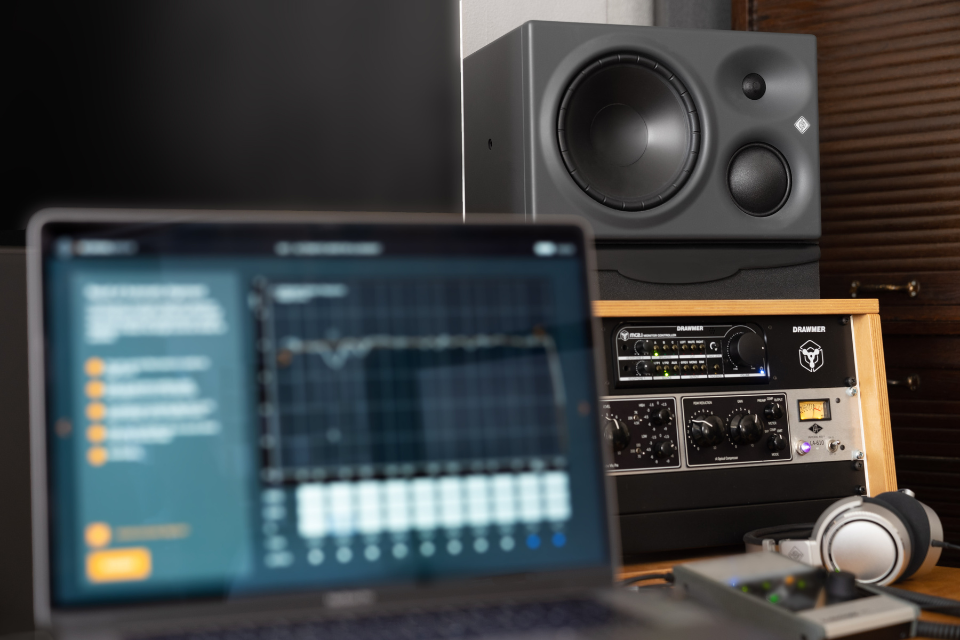
The signal chain does not stop at the mixer; it also includes cables, processing units, and speaker systems.
Poor-quality cables or unstable connections can lead to signal loss or interference. Processing devices such as compressors or effects, if not configured correctly, may reduce the natural character of the sound.
Finally, the speaker system and acoustic environment also play a significant role in perceived clarity.
- Use high-quality cables and ensure stable connections
- Configure processing equipment correctly
- Optimize the speaker system for the space
An improperly tuned speaker system can cause reflections, muddiness, or loss of detail, even when the input signal is well-prepared.
Conclusion
When a microphone sounds unclear, the issue is rarely caused by a single device but rather a combination of factors within the signal chain.
- Microphone technique and sound source
- Gain staging and EQ processing
- Connection system and processing equipment
- Speaker system and acoustic environment
Each stage can directly impact the final audio quality.
Understanding the entire signal chain allows users to identify the root cause, optimize the system effectively, and avoid unnecessary upgrade costs.