The Neumann MT 48 is an audio interface with an integrated mixer and DSP processing, allowing users to monitor input signals with extremely low latency during recording. Rather than relying entirely on monitoring through a DAW, the MT 48 handles monitoring within the interface and supports separate mixes for recording engineers and performers.
What Is Direct Monitoring?
When recording vocals or instruments, the audio signal must be converted and processed before it reaches the listener’s headphones or speakers. If the signal passes through a DAW and then returns to the outputs, latency can cause performers to hear their voice or instrument slightly later than they produce it.
Direct monitoring routes the input signal through the audio interface’s internal signal path, reducing dependence on computer-based processing. With the Neumann MT 48, the internal mixer operates with very low latency, helping performers monitor their sound more naturally while recording.
How Does the Neumann MT 48 Handle Direct Monitoring?
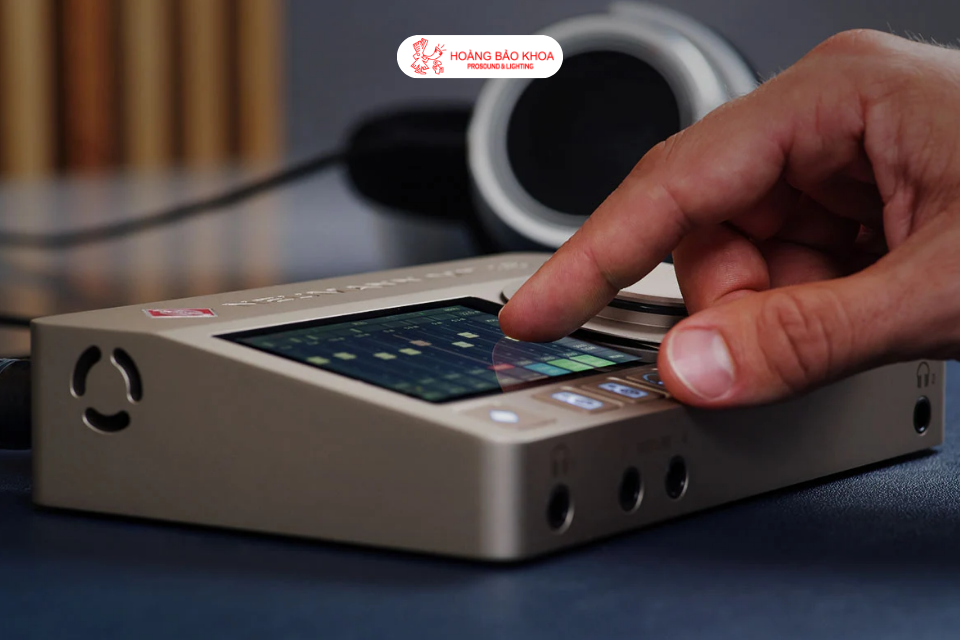
The MT 48 features a digital mixer that can be controlled directly from its touchscreen. Input signals enter the interface’s mixer, where they can be balanced with playback from the DAW before being sent to studio monitors or headphones according to the selected routing configuration.
The interface provides four independent monitor mixes corresponding to its output pairs. This allows the engineer to listen to the main mix through studio monitors while a performer receives a separate headphone mix with its own balance between live input and backing tracks.
The MT 48 also includes onboard DSP tools such as EQ, dynamics processing and reverb. These can be used to create a more suitable monitoring sound for the performer. With Dual Output Technology, pre-effects and post-effects signals can be recorded separately into the DAW, allowing the performer to hear a processed signal while the engineer retains a dry recording for further work during post-production.
Important Considerations When Using Direct Monitoring
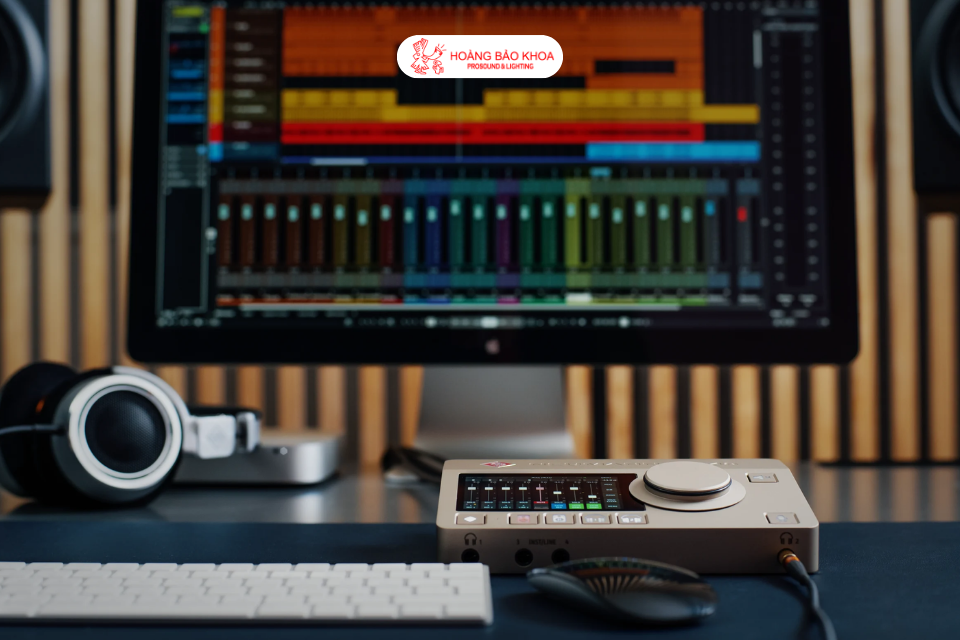
To avoid doubled signals or an audible echo, users should choose one primary monitoring path. When monitoring directly through the MT 48’s internal mixer, disable input monitoring on the corresponding DAW track. If both paths are active, the direct signal and the signal returning from the DAW may reach the listener at different times.
Direct monitoring is particularly useful for recording vocals, guitar and other sources where immediate auditory feedback is important. However, if the performer needs to hear real-time effects from plugins running in the DAW, software monitoring may be required, along with an appropriate buffer configuration.
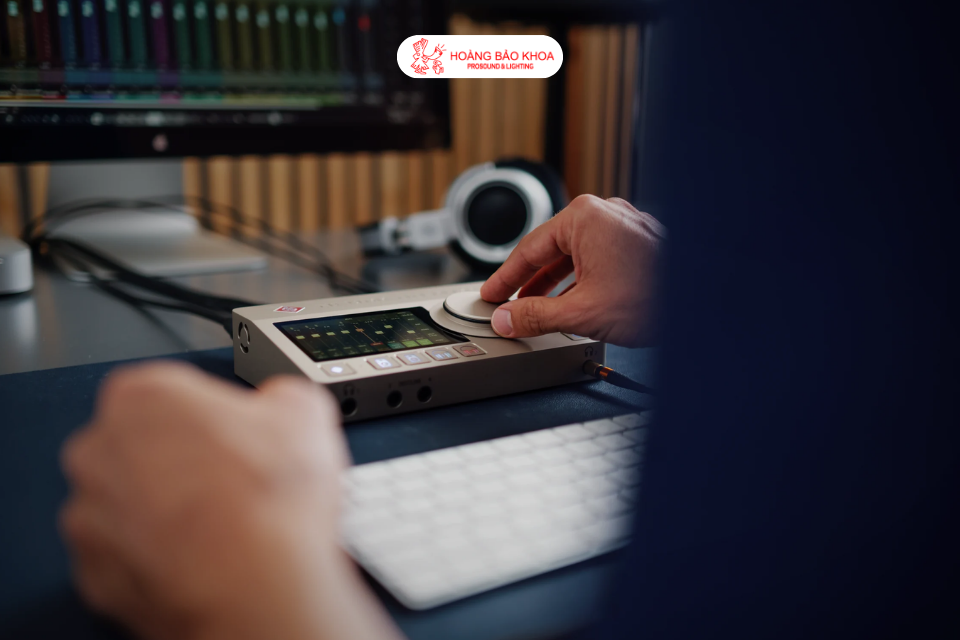
Flexible monitoring is an important part of working with audio interfaces and other studio equipment. Explore Neumann Studio or visit Neumann Studio at Hoang Bao Khoa to learn more about the Neumann ecosystem in a practical environment.