When investing in an audio and lighting system, cost is always the first factor to be considered. However, cost optimization is not simply about cutting the budget or choosing low-priced equipment. In reality, many systems incur significant additional expenses during operation due to a lack of clear direction in the initial investment and the absence of a properly integrated system design from the outset.
Understanding Your Actual Needs Before Investing
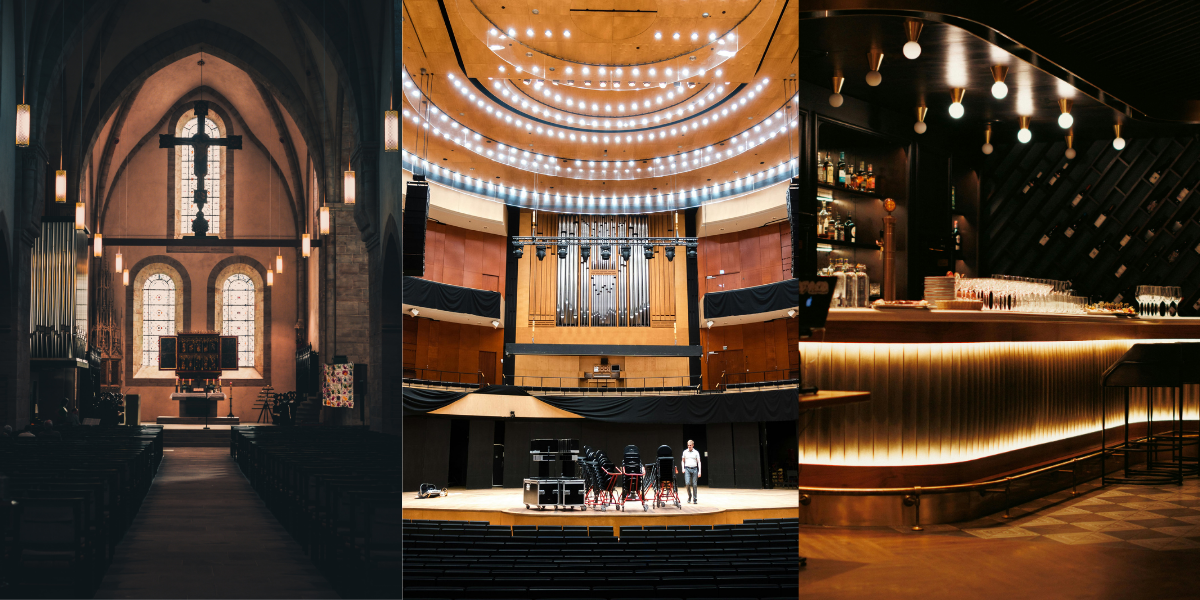
The most important step in cost optimization is clearly defining the system’s intended purpose. Audio solutions for administrative meeting rooms are fundamentally different from church sound systems, stages, or bars. Whether the primary requirement is speech reinforcement, background music, live performance, or integrated livestreaming will directly determine the system configuration.
Many projects waste budget due to emotional purchasing decisions or an excessive focus on high power output. Excessive power does not improve sound quality. Instead, it makes the system harder to control and increases equipment costs, energy consumption, and long-term maintenance expenses.
System-Level Design Saves Long-Term Costs
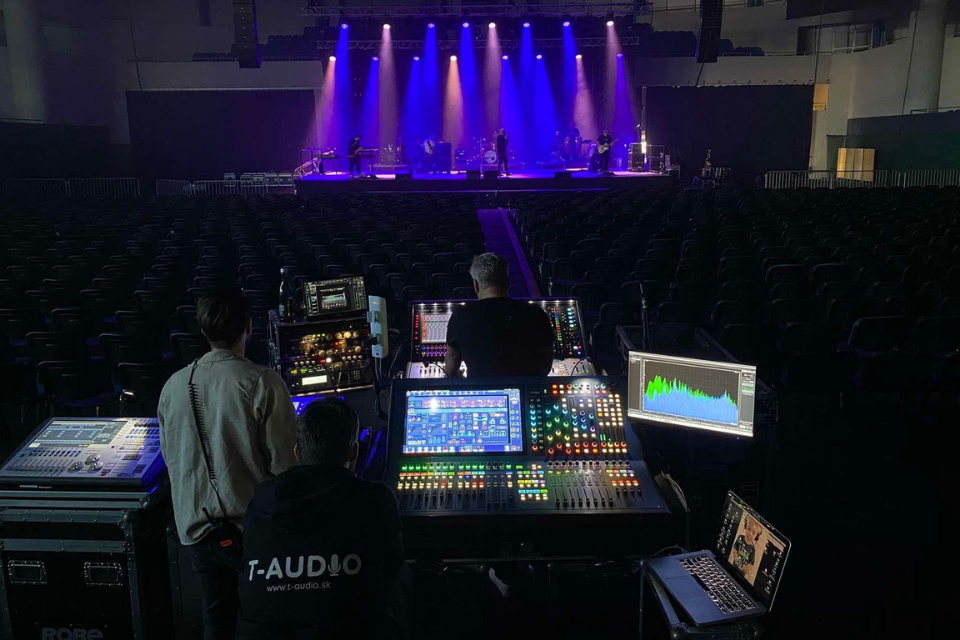
Audio and lighting system design is not simply about selecting individual devices, but about a comprehensive calculation based on space characteristics and usage objectives. With a proper design, the quantity of speakers, amplifier power, installation positions, and signal processing configurations are defined accurately.
This approach prevents over-purchasing equipment or having to add components after installation. More importantly, a well-designed system from the beginning significantly reduces future costs related to repairs, fine-tuning, and upgrades.
Prioritizing System Performance Over Expensive Brands
A common misconception is that higher-priced equipment automatically results in superior system performance. In reality, audio effectiveness depends largely on how well the equipment matches the space and application.
In many cases, mid-range equipment selected with the correct configuration can still deliver clear, stable sound that fully meets practical requirements. A balanced combination of different equipment tiers, with proper investment in core components such as main speakers, signal processing, and power infrastructure, helps optimize the budget without compromising overall system performance.
Optimizing Operational and Maintenance Costs
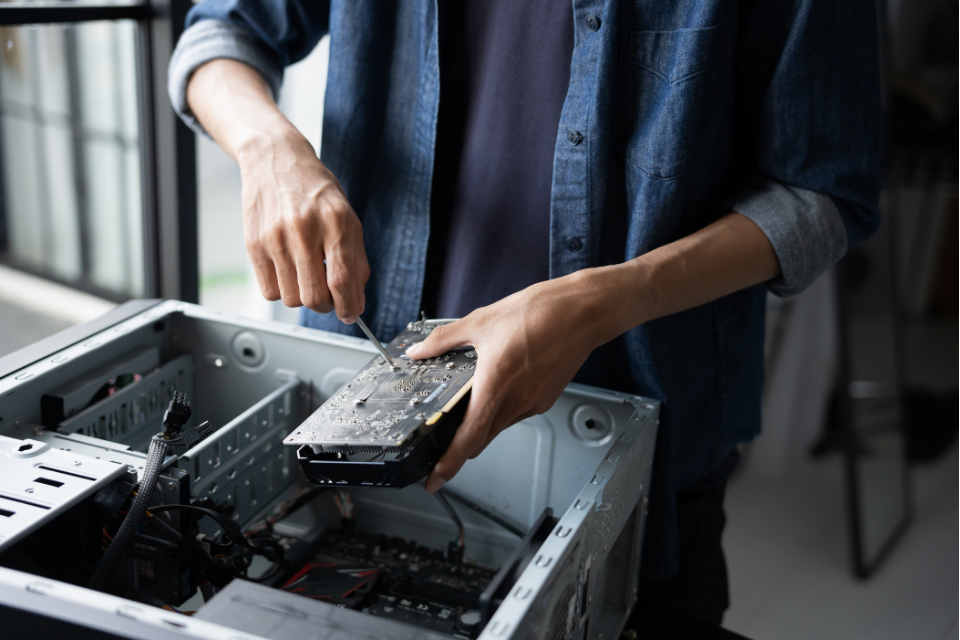
Initial investment cost is only one part of the total system ownership cost. A system that is difficult to operate or frequently experiences issues will generate significant operational expenses over time.
A well-designed system is easy to use even for non-technical operators, minimizes the need for complex adjustments, and reduces the risk of equipment failure. In addition, scalable system design allows gradual upgrades when necessary, rather than requiring a complete system replacement.
Investing Correctly from the Start Is Always Cheaper Than Fixing Mistakes
Many projects only reveal problems after being put into operation, such as uneven sound coverage, lack of impact, feedback issues, or poor control. At that stage, adding DSP, replacing speakers, or reconfiguring the entire system often costs far more than proper planning from the beginning.
In real-world implementations, correction costs can increase significantly beyond the original budget, not to mention the negative impact on system uptime and user experience.
The Role of Professional Consulting and Integration Providers
An experienced consulting and integration provider can analyze the space and propose a system configuration that aligns with both budget and usage objectives. Rather than selling individual devices, they focus on delivering a complete solution that balances investment cost with operational efficiency.
This approach helps investors avoid the risk of purchasing unsuitable equipment and ensures cost optimization throughout the entire system lifecycle.
Conclusion
Cost optimization in audio and lighting system investment is not about cutting equipment, but about investing correctly with clear objectives and a structured approach. A comprehensive design, appropriate equipment selection, and long-term solution mindset ensure stable operation, ease of use, and sustainable cost savings.
For professional projects, investing correctly from the very beginning is always the most effective and economical choice.