Neumann is widely known for microphones and, more recently, studio monitors and headphones, but the company also manufactured mixing consoles with high-quality microphone preamps from the 1960s to the 1990s. The V 402 marks Neumann's first standalone microphone preamp, combining two preamp channels, instrument inputs and an integrated headphone amplifier in a substantial studio-focused design.
From Neumann Mixing Consoles to a Standalone Preamp
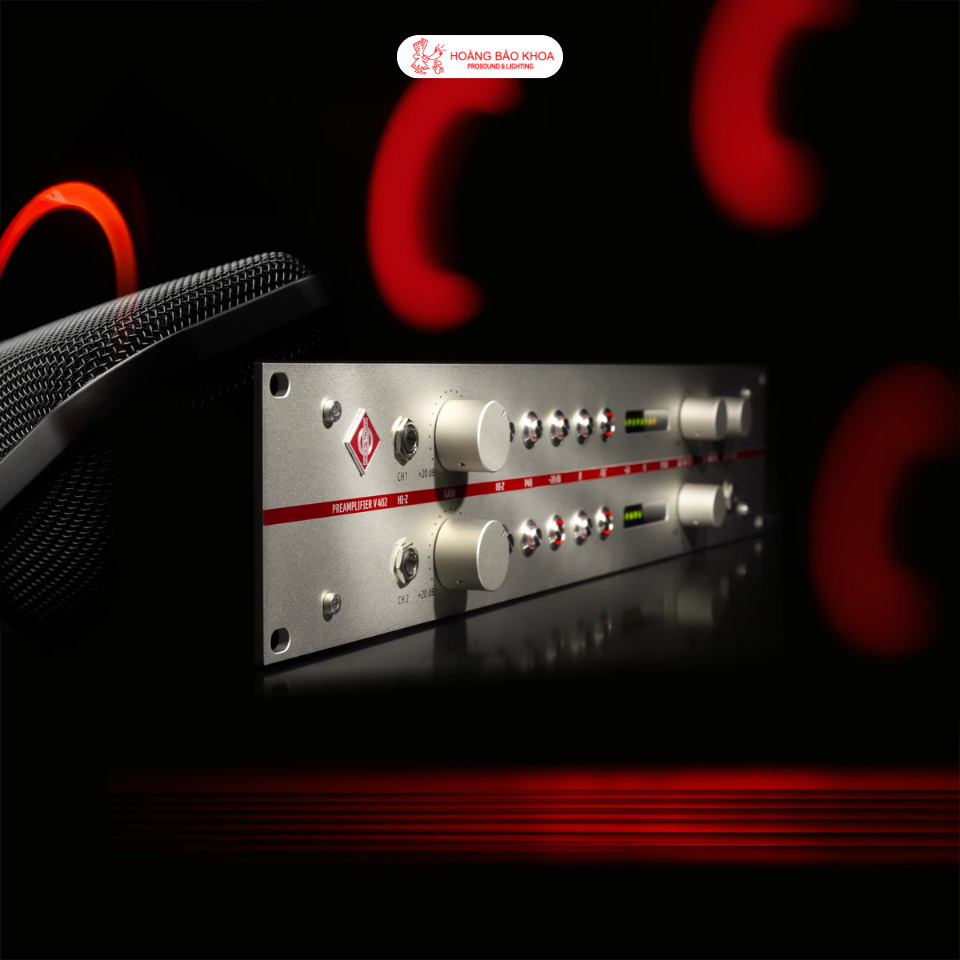
Microphone preamplification was not new territory for Neumann when the V 402 was introduced. The company's earlier mixing consoles incorporated high-quality microphone preamps, although these had never previously been offered as standalone products.
The “V” prefix also follows the naming convention Neumann previously used for its console preamp modules.
With the V 402, Neumann aimed to preserve the signal produced by the Microphone as transparently and purely as possible rather than intentionally adding or removing sonic characteristics. Tag SEO Neumann
Dual-Channel Transformerless Design
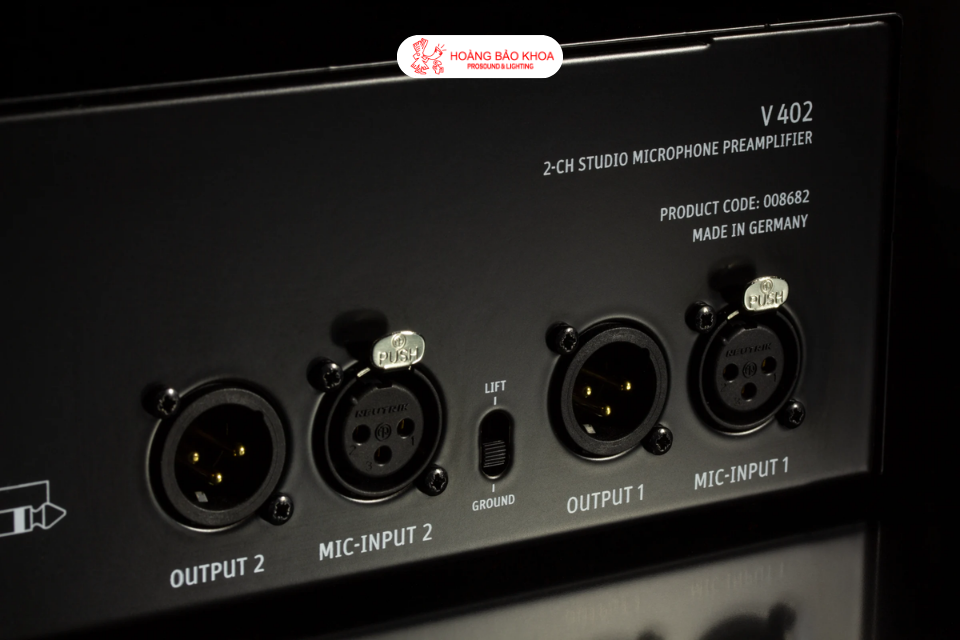
The V 402 is a dual-channel, transformerless microphone preamp. Each channel also provides an unbalanced instrument input, while a dedicated headphone amplifier is incorporated into the unit.
The preamp occupies a 2U rackmount chassis, weighs 6.2 kg and features a champagne-coloured anodised front panel.
The rear panel provides four XLR connectors for the electronically balanced Microphone inputs and line outputs. A recessed ground-lift switch allows the chassis ground to be disconnected from pin 1 of all four XLR connectors when required to address ground-loop problems. Tag SEO Neumann
Gain and Signal Controls
The two preamp channels are arranged vertically across the front panel. Each starts with a quarter-inch unbalanced instrument input followed by a large gain control using an ALPS “Blue Beauty” conductive-plastic potentiometer.
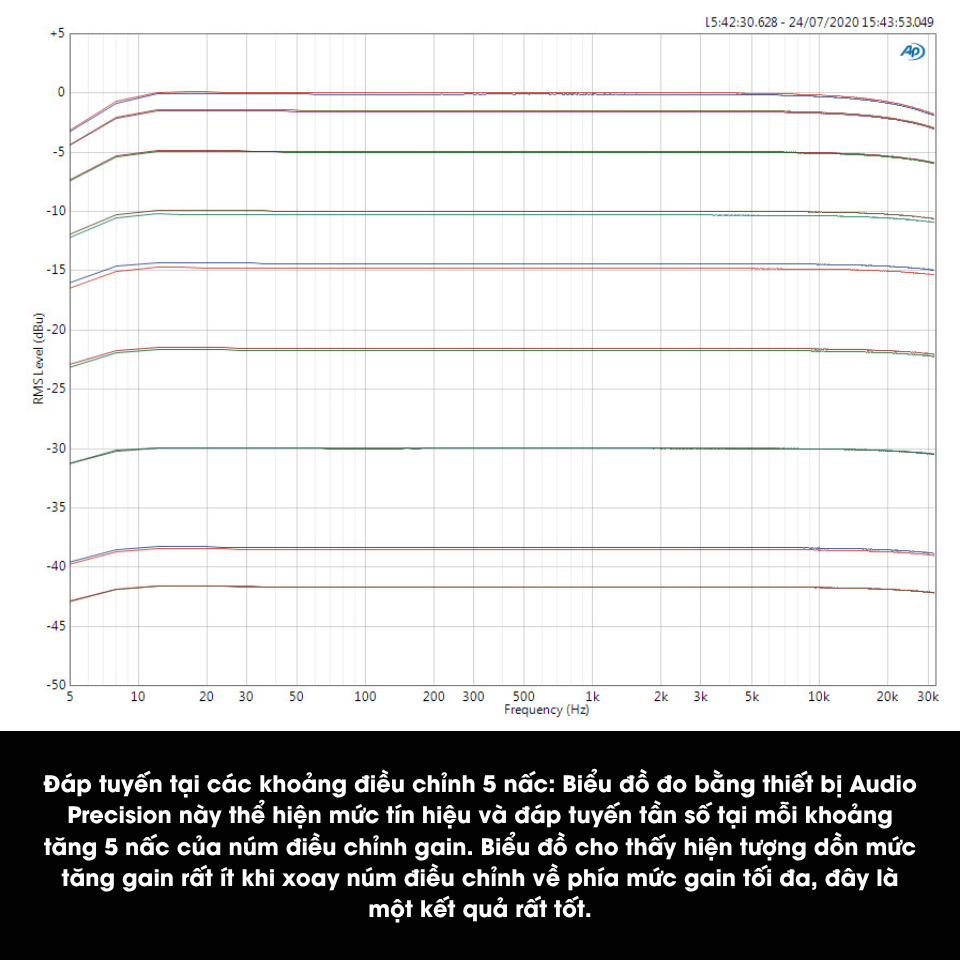
Its 41-detent action provides +20 to +60 dB of microphone gain in approximately 1 dB increments.
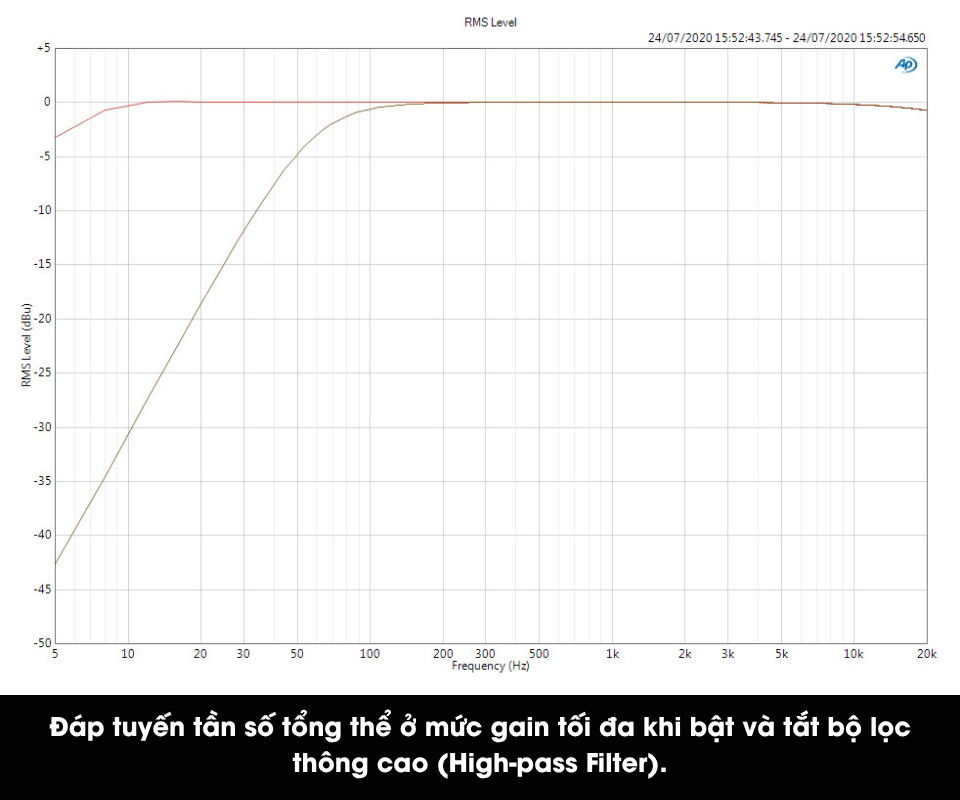
Five illuminated buttons allow the user to select the high-impedance instrument input instead of the rear Microphone input, activate 48V phantom power, engage a -20 dB pad, invert polarity and apply a second-order 60 Hz high-pass filter with a 12 dB/octave slope.
These functions allow the V 402 to serve as part of a Neumann Professional Recording Studio Equipment signal chain. Tag SEO Neumann
Output Metering
Each channel is equipped with a horizontal 10-LED bar-graph meter, with the LEDs arranged in 6 dB increments.
The lowest green LED corresponds to -24 dBu, while the fifth of the six green LEDs represents 0 dBu. Two yellow and two red LEDs follow, with the penultimate red LED corresponding to +24 dBu.
The upper red LED remains illuminated for longer and therefore serves as a peak indicator. Sound On Sound found the metering functionally adequate, although its appearance was considered somewhat traditional for a product positioned at this level. Tag SEO Neumann
Microphone and Instrument Inputs
The maximum microphone input level is +8 dBu. Engaging the pad raises this to +28 dBu, allowing the preamp to accommodate higher-level sources.
Microphone input impedance is approximately 3 k& OMEGA;.
The instrument input presents an impedance of 3.3 M& OMEGA; and accepts a maximum signal level of +21 dBu. Selecting the DI input changes the available gain range to 0 to +40 dB.
The phantom-power supply provides the standard +48V and is capable of delivering the full 10 mA IEC requirement. Tag SEO Neumann
Integrated Headphone Amplifier
The V 402 also incorporates a headphone amplifier. Two controls adjust the contribution of the individual preamp channels, while a third controls the overall headphone level.
A dedicated button switches between mono and stereo operation, and the output is available through a quarter-inch TRS headphone socket on the front panel.
The headphone amplifier is rated at +20 dBu into a 150& OMEGA; load, equivalent to approximately 0.4W into each earpiece. Sound On Sound found it more than loud enough with all the headphones used during testing, covering impedances from 32 to 250& OMEGA;.
However, the V 402 does not provide an external stereo aux input. The reviewer therefore found the headphone section particularly useful for engineers when finding an optimum microphone position or assessing perspective and imaging from a stereo array, but impractical as a latency-free artist-monitoring system. Tag SEO Neumann
Technical Performance
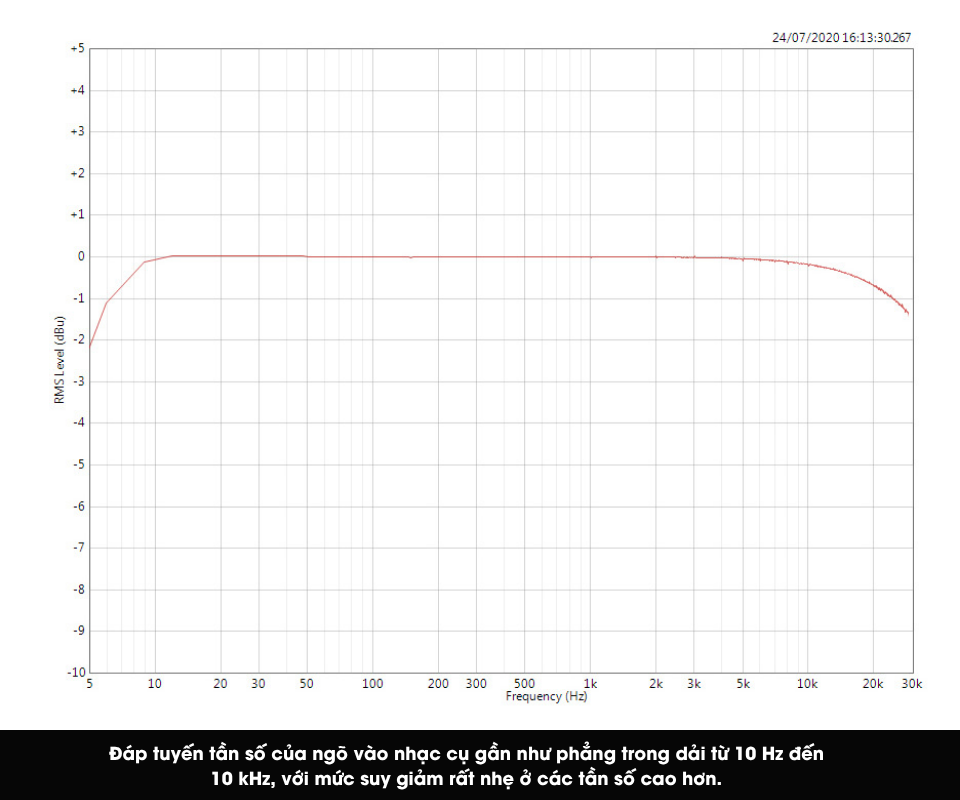
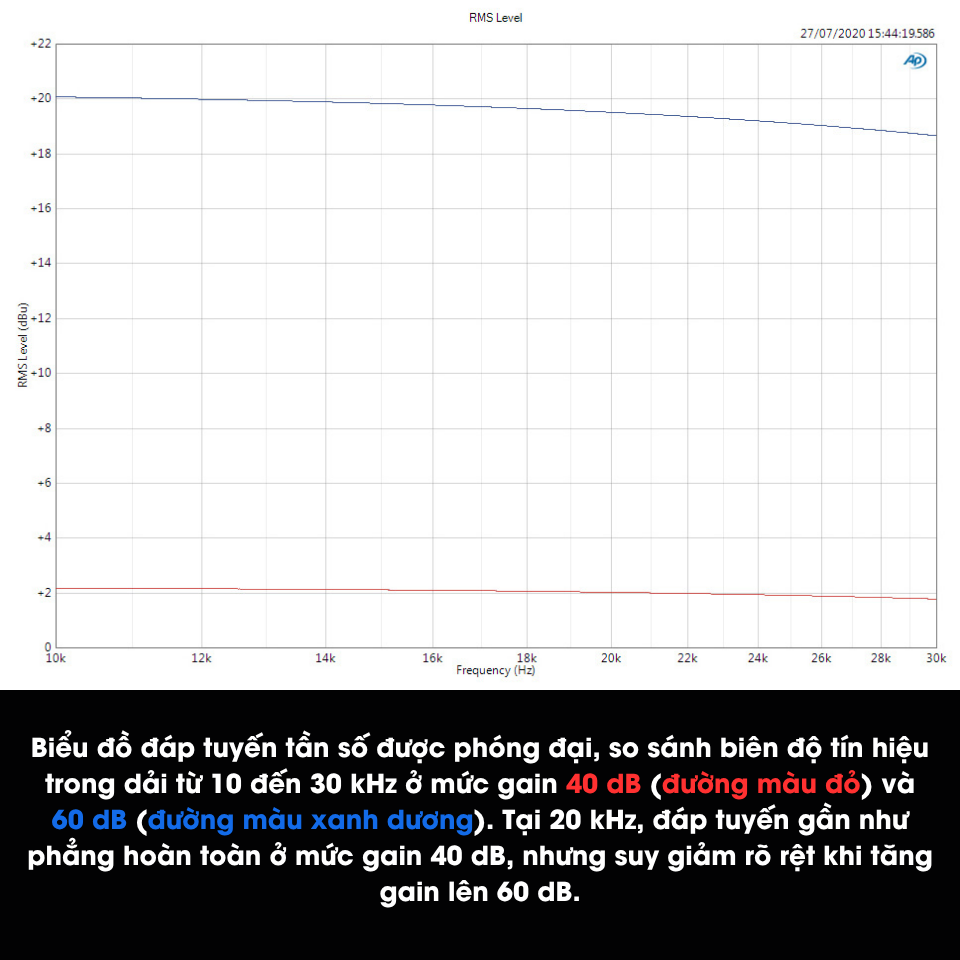
The specified -3 dB bandwidth is 10 Hz to 100 kHz at 40 dB gain.
At 60 dB gain, the -3 dB point falls to approximately 40 kHz, while the response at 20 kHz is around 0.5 dB lower than at gain settings of 40 dB or below.
Sound On Sound noted that this roll-off is small in practical terms, but questioned it in the context of Neumann's claim that the preamp adds nothing and takes nothing away. Neumann responded that other design priorities, including resistance to external interference, were considered more significant in practical use. Tag SEO Neumann
Internal Construction
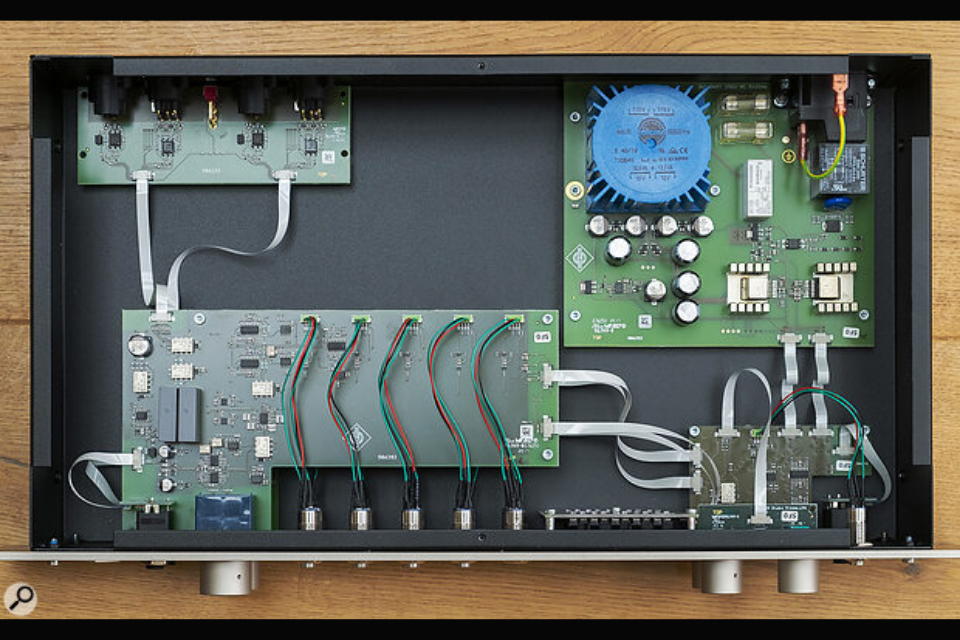
Inside the V 402, separate circuit boards are used for the linear power supply, headphone amplifier, meters, XLR connectors and the two individual preamp channels.
The preamp channels use SMD components. According to the reviewer's inspection, the front-end circuitry appears to use OPA1611 and OPA1678 op-amps, while OPA1679 devices are used separately to drive the balanced line outputs and headphones.
The XLR connector board also incorporates common-mode filtering intended to prevent RF interference from entering the preamps. Tag SEO Neumann
Distortion, Noise and Crosstalk Measurements
Maximum output before clipping is +28 dBu.
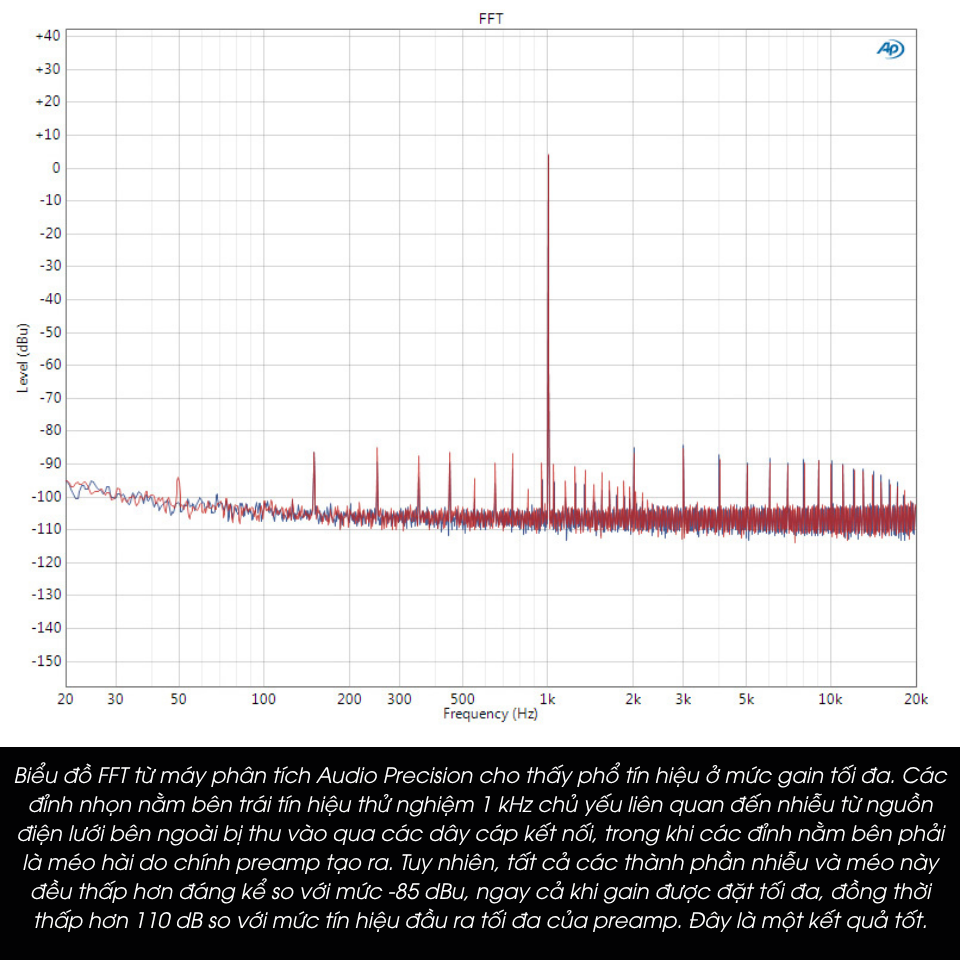
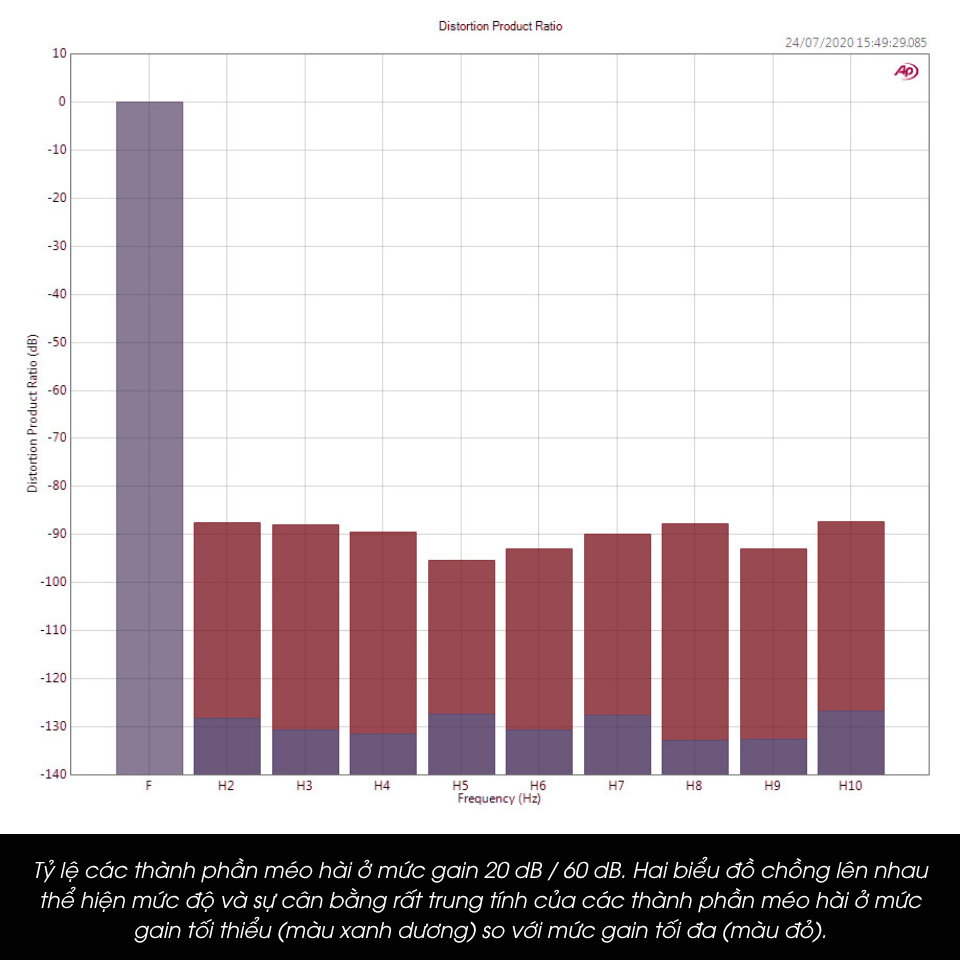
Sound On Sound measured THD at 0.0005 percent with 20 dB gain, increasing to 0.04 percent at 60 dB gain. Gain matching between the two channels remained within 0.5 dB at most settings, with relatively little gain bunching as the controls approached their maximum positions.
Residual noise measured -107 dBu at 20 dB gain and -66 dBu at a measured 61 dB of gain. This produced an EIN figure of -127 dBu, unweighted from 20 Hz to 20 kHz with a 150Ω source.
Channel crosstalk measured -85 dB at 10 kHz, which Sound On Sound considered particularly impressive. Tag SEO Neumann
Sound On Sound's Verdict
Sound On Sound describes the V 402 as elegant, attractive and substantial, with high electrical and mechanical construction standards. It includes the conventional facilities expected from a good-quality microphone preamp while adding a capable built-in headphone amplifier.
Its clean and transparent sound was a particular strength. Harmonic distortion and crosstalk remain low even at high gain settings, and the preamp is quiet enough for most recording applications.
The review also identifies limitations. Without an external stereo input, the headphone amplifier is of limited use for artist monitoring, while the high-frequency roll-off at maximum gain prevents the technical performance from fully meeting the reviewer's expectations at this price level.
Nevertheless, the controls feel solid and reliable, and Sound On Sound concludes that the V 402 is fully capable of performing its intended role within Neumann Studio Equipment. Tag SEO Neumann
Experience Neumann Equipment at Hoang Bao Khoa
Beyond evaluating individual equipment, users can explore how different Neumann products work together within the Neumann Studio environment at hoang bao khoa.
Through Neumann Studio, users can listen to, experience and better understand different parts of a practical recording and monitoring workflow before choosing equipment for their own requirements.