Whether using a preamp built into an audio interface or a standalone preamp, the basic functions remain similar. From microphone input, instrument input, and gain control to phantom power, phase reverse, and low cut, understanding each function helps users set up signals correctly and use the preamp more effectively during recording.
Types of Inputs on a Preamp
The minimum requirement for a preamp is at least one Microphone input. For stereo recording, users need at least two microphone inputs.
A Microphone input uses an XLR connector. According to Neumann, TRS is not suitable for use as a microphone input.
Audio interfaces and some standalone preamps also feature line inputs. These connections can be balanced or unbalanced, with balanced connections offering better protection against electromagnetic interference.
Line inputs can use either TRS or XLR connectors. XLR is more commonly found on high-end equipment.
These are the basic connections users may encounter when working with Neumann Audio Interfaces With Microphone Preamps or preamps integrated into audio interfaces.
How Is an Instrument Input Different from a Line Input?
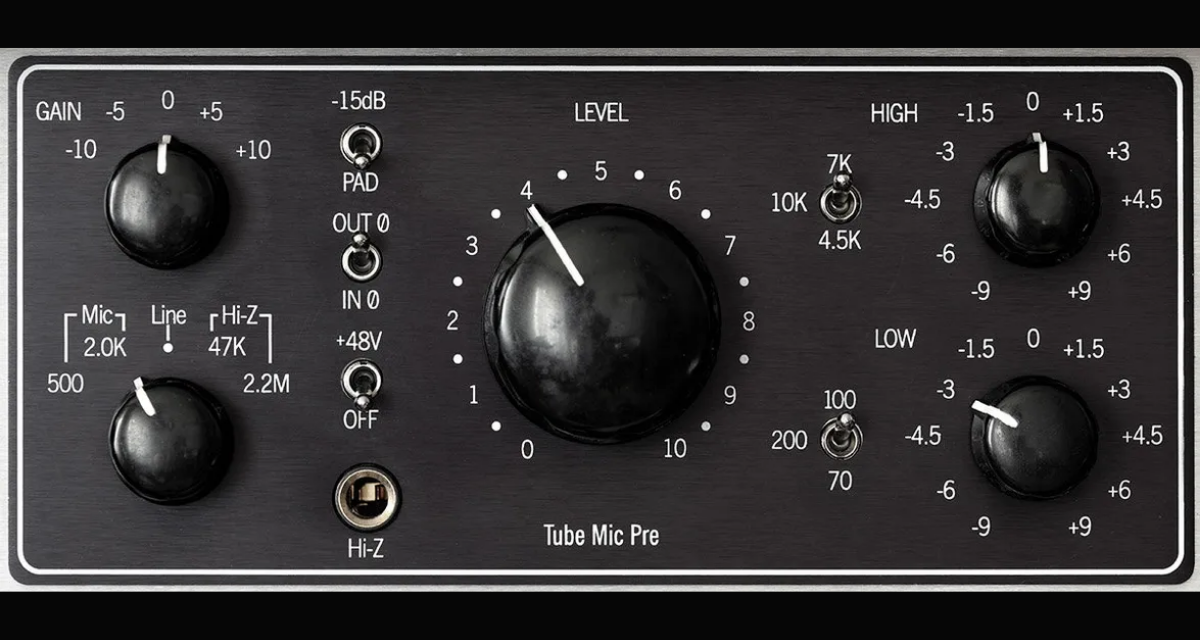
Most audio interfaces and standalone preamps also provide one or more instrument inputs for connecting a guitar or bass. An instrument input can also be used with an original Rhodes E-Piano because it operates with a similar type of magnetic pickup.
Instrument inputs use TRS connectors and are usually unbalanced. As a result, they may look similar to line inputs from the outside, but there is one important difference: input impedance.
For optimal results, an instrument input should have a high input impedance of at least 400 kOhms.
A common value is 1 MegaOhm, equivalent to 1000 kOhms. This is also the input impedance of most guitar amplifiers and the level that guitar and bass pickups are designed to work with.
By comparison, line inputs have significantly lower impedance, typically around 10 kOhms.
If a guitar or bass is connected directly to a line input, the sound will lose brightness and become dull.
What Is the Role of Gain Control?
Gain control is the most important function of Neumann Audio Interfaces With Microphone Preamps, as well as Microphone preamps in general.
The purpose of a preamp is to bring the signal up to a proper operating level.
Most microphone preamps provide up to 60 dB of gain, which is sufficient for most applications.
Ribbon Microphones and some low-output dynamic microphones may require more gain. For this reason, some preamps provide up to 80 dB of gain.
By contrast, condenser Microphones generally produce a significantly higher output level and can work well with most preamps.
When Is Preamp Quality Most Noticeable?
According to Neumann, the quality of a microphone preamp becomes most apparent at high gain settings.
When gain exceeds approximately 50 dB, inexpensive preamps increasingly tend to sound flat and lifeless, while high-quality preamps maintain good sound quality even at their highest gain settings.
Inexpensive preamps also tend to have higher noise levels than more expensive products. This difference may be difficult to notice at low gain settings but can become an issue when working with low-output microphones that require a large amount of gain.
To achieve optimal sound from dynamic Microphones, especially ribbon microphones, Neumann recommends investing in a high-quality microphone preamp.
Condenser microphones can also benefit from a more expensive preamp, but users can still achieve good results with a lower-cost device or a microphone preamp built into an audio interface.
What Is P48 Phantom Power?
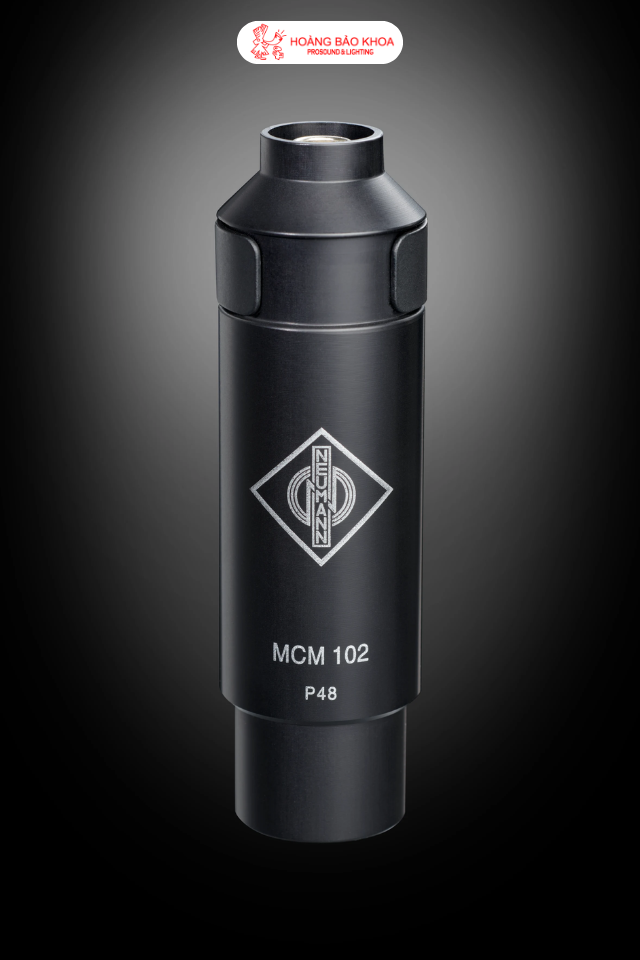
Condenser microphones contain internal electronic circuitry and require an external power source to operate. Dynamic microphones do not require external power.
The solution to this difference is phantom power, an invention by Neumann.
Phantom power allows condenser microphones to receive power directly from the microphone input without requiring an additional power cable, while leaving dynamic microphones unaffected.
This is also why it is called “phantom” power. For dynamic microphones, the power is essentially “invisible” because there is no voltage difference between the two signal conductors.
This function is also commonly found on Neumann Audio Interfaces With Microphone Preamps when working with condenser microphones.
What Is Phase Reverse Polarity Used For?
Phase reverse is a function that reverses the polarity of the signal. This can be thought of as swapping the two signal wires of a balanced connection.
Phase reverse is often useful when recording an instrument with multiple microphones.
For example, when recording a snare drum with two microphones, one above and one below, users need to reverse the polarity of one microphone, usually the bottom microphone, so that the two signals are “in phase.”
If the two signals are out of phase, they will partially cancel each other out and make the sound very thin.
What Does Low Cut High Pass Do?
Many microphone preamps, including those found in Neumann Professional USB Audio Interfaces, are equipped with a low cut switch.
Another name for this function is high pass, because the filter attenuates bass frequencies while allowing higher frequencies to pass through.
Cutting low frequencies is one way to remove rumble and unwanted noise below the musical content.
A low cut at a higher frequency can also be used creatively to shape the sound and remove excessive bass, such as when vocals or guitars sound too boomy.
Basic Functions to Consider on a Preamp
Whether using a preamp integrated into an audio interface or one within Neumann Studio Recording Equipment, the basic functions to consider still include input types, gain control, phantom power, phase reverse, and low cut.
Gain control brings the signal to an appropriate operating level; phantom power supplies power to condenser microphones; phase reverse helps manage polarity when using multiple microphones; and low cut reduces unwanted low frequencies or helps shape the sound.
Understanding the role of each function helps users operate a preamp correctly during recording.
Experience Neumann Studio Equipment at Hoang Bao Khoa
In addition to understanding the functions of a preamp, using equipment directly within a studio system helps users better understand how the different components in the signal chain work together.
At hoang bao khoa, Neumann Studio is a space where customers can directly experience Neumann products in a studio environment. This allows users to explore how Neumann Studio Equipment is used and connected within a real-world system.
Source: Neumann Homestudio Academy - What Are the Basic Features and Functions of a Preamp?