The NDH 20 and NDH 30 serve different monitoring situations. One is a closed-back design for isolation; the other is open-back and intended for a more open listening experience. This comparison looks at their construction, published specifications, and practical use so you can match a model to your recording and post-production workflow.
Neumann Studio Headphones: the design difference
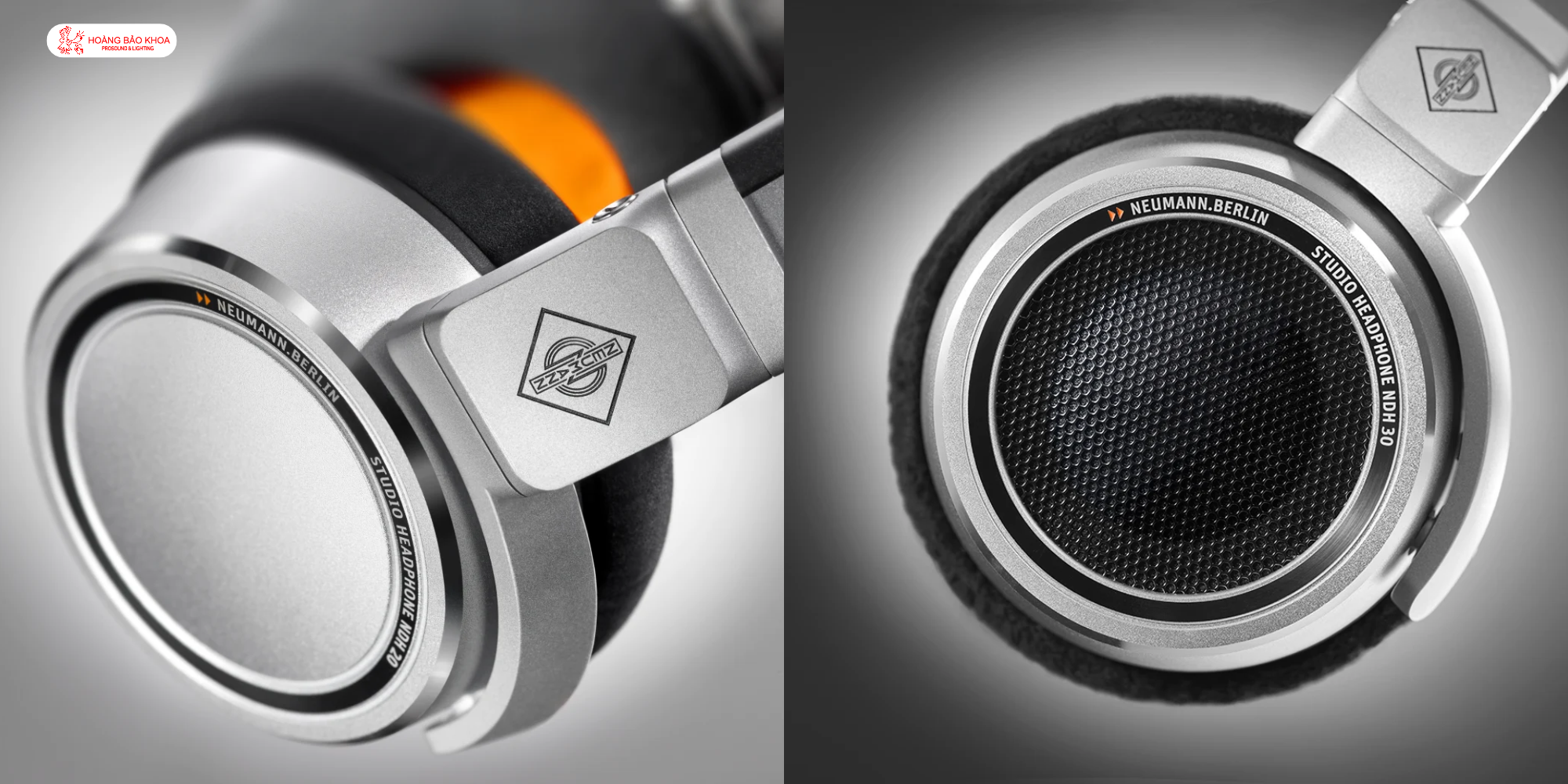
The NDH 20 is a dynamic closed-back headphone. Neumann specifies sound isolation greater than 34 dB above 4 kHz. The NDH 30 uses an open-back design, developed to bring the reference sound of a Neumann studio monitor setup into a portable headphone format.
Choose Neumann Studio Headphones according to where and how you listen. During vocal or instrument recording near a Microphone, a closed back can help reduce headphone spill into the mic. In a quiet room, an open-back model may feel more spacious for editing and balance checks. These are practical considerations based on the products’ acoustic designs; listening in your own setup remains useful.
Neumann Monitoring Headphones: specification comparison
| Specification |
NDH 20 |
NDH 30 |
| Acoustic principle |
Dynamic, closed-back |
Dynamic, open-back |
| Nominal impedance |
150 & OMEGA; |
120 & OMEGA; |
| Sensitivity at 1 kHz / 1 Vrms |
114 dB SPL |
104 dB SPL |
| Maximum input power |
1000 mW |
1000 mW |
| Weight, without cable |
390 g |
352 g |
| Connection |
Detachable cable; 3.5 mm plug, 6.3 mm adapter |
Detachable cable; 3.5 mm plug, 6.3 mm adapter |
Both models use 38 mm transducers, detachable cables, and replaceable earpads. Impedance and sensitivity help you check compatibility with a headphone output or amplifier, but neither figure alone predicts tonal character or loudness in every system. Follow safe listening levels, especially when monitoring for long sessions.
Neumann Mixing And Mastering Headphones: choosing by task
For isolation and recording

The NDH 20 is the more practical option for tracking, noisy environments, or work close to a sensitive microphone. Its closed cups help limit outside sound reaching the listener, while its foldable construction makes it easier to pack for mobile sessions. Check fit and playback level to maintain a comfortable, useful monitoring level.
For open listening in a quiet room
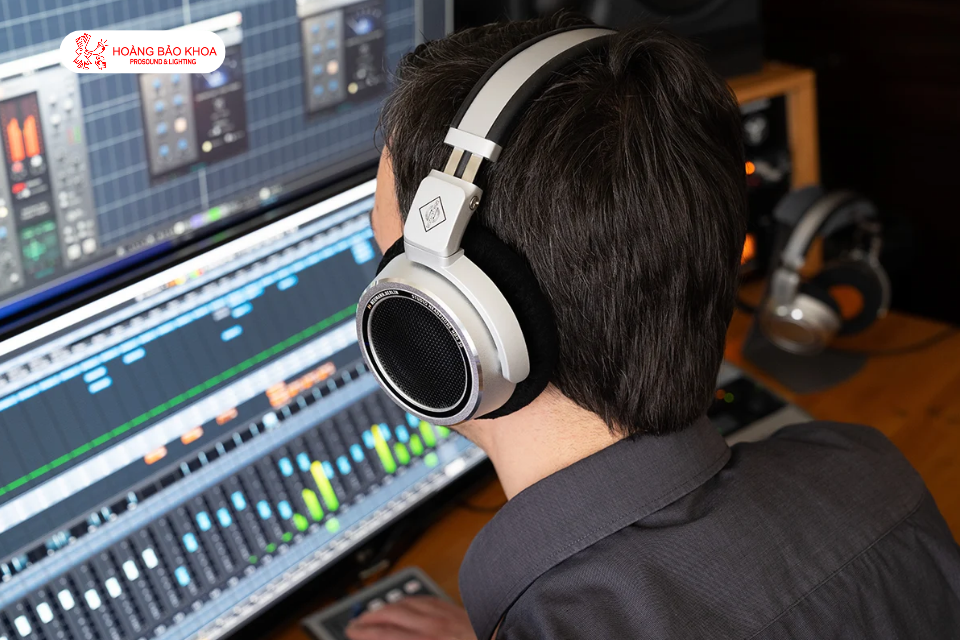
The NDH 30 is suited to detailed listening in a quieter workspace. Its open construction allows sound to escape and room noise to reach the listener, so it is less suitable when headphone leakage could enter a live Microphone. You can use Neumann Monitoring Headphones to check a mix, then compare it on loudspeakers and other playback systems.
For finished mixes, Neumann Mixing And Mastering Headphones can be one useful reference in a broader listening routine; no headphone replaces checking translation across playback environments.
Neumann Headphones: a context-based choice
Choose the NDH 20 when isolation, tracking, and portability matter most. Consider the NDH 30 if you mainly work in a quiet room and prefer an open-back design. Try either model with your usual source, check the fit, and take listening breaks. Hoàng Bảo Khoa shares practical Neumann equipment knowledge to help users assess products in the context of their workflow.