Choosing between Neumann Vocal Microphones? The U 87 Ai and TLM 103 are large-diaphragm condenser microphones for studio and broadcast work. They differ in pickup patterns, onboard controls and key specifications. This guide explains how those differences affect vocal recording so you can match a microphone to your voice, room and workflow.
Neumann Studio Equipment: Comparing the Two
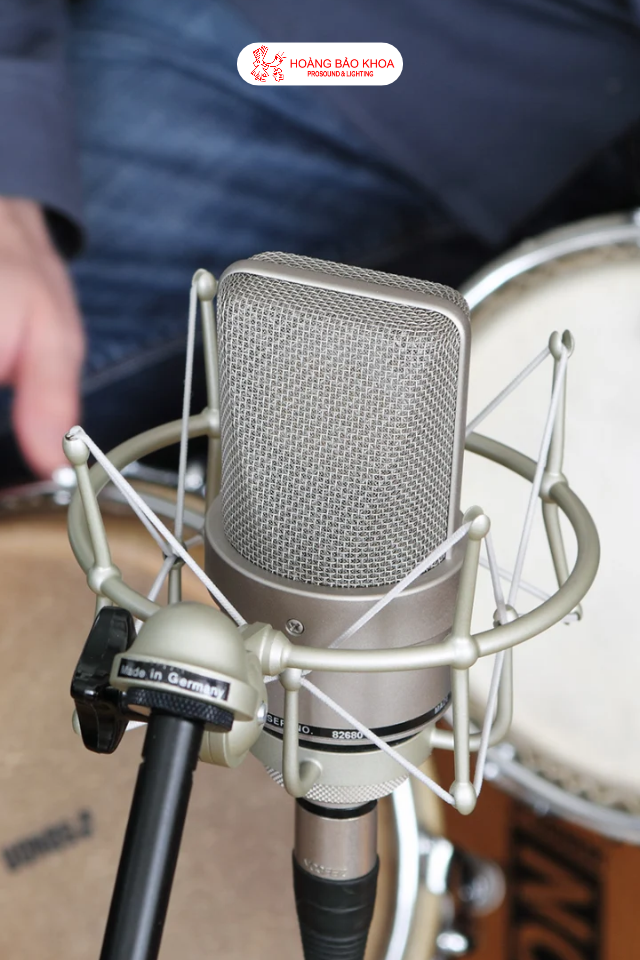
Both models are Neumann Large Diaphragm Condenser Microphones designed for studio work. Their main practical difference is flexibility: the U 87 AI offers three pickup patterns plus a pad and low-cut filter, while the TLM 103 uses a fixed cardioid pattern. If you record one singer in a controlled position, cardioid may be all you need. If you also record different sources or want to change how much room sound the Microphone captures, the U 87 AI offers more options.
| Specification |
U 87 AI |
TLM 103 |
| Pickup pattern |
Omni, cardioid, figure-8 |
Cardioid |
| Frequency range |
20 Hz–20 kHz |
20 Hz–20 kHz |
| Sensitivity |
20/28/22 mV/Pa (omni/cardioid/figure-8) |
23 mV/Pa |
| Rated impedance |
200 & OMEGA; |
50 & OMEGA; |
| Equivalent noise, A-weighted |
15/12/14 dB-A |
7 dB-A |
| Maximum SPL |
117 dB; 127 dB with pad |
138 dB |
These figures follow Neumann’s published specifications. The U 87 Ai’s maximum SPL rises to 127 dB when its 10 dB pre-attenuation is engaged. The figures are measured under the manufacturer’s stated conditions, so use them as technical reference points rather than a complete prediction of vocal quality. Room noise, Microphone distance, preamp gain and the performer’s delivery all affect the recording.
Professional Recording Microphones: Patterns and Tone
For vocal work, Neumann Vocal microphones are often selected by matching the pickup pattern and response to the voice and room. Cardioid emphasizes sound arriving from the front and reduces sensitivity to sound from the rear. The U 87 Ai can also switch to omnidirectional for more room ambience or figure-8 for certain two-source arrangements. These options are useful when the room and microphone placement suit the chosen pattern.
Neumann describes the U 87 Ai as having a balanced response across its three patterns. The TLM 103 has a presence emphasis and a deep, controlled low end. These are manufacturer descriptions, not a guarantee that one model will suit every voice. If possible, compare them with the same singer, Microphone distance, preamp and room settings.
Neumann Studio Recording Equipment: Which Fits Your Room?
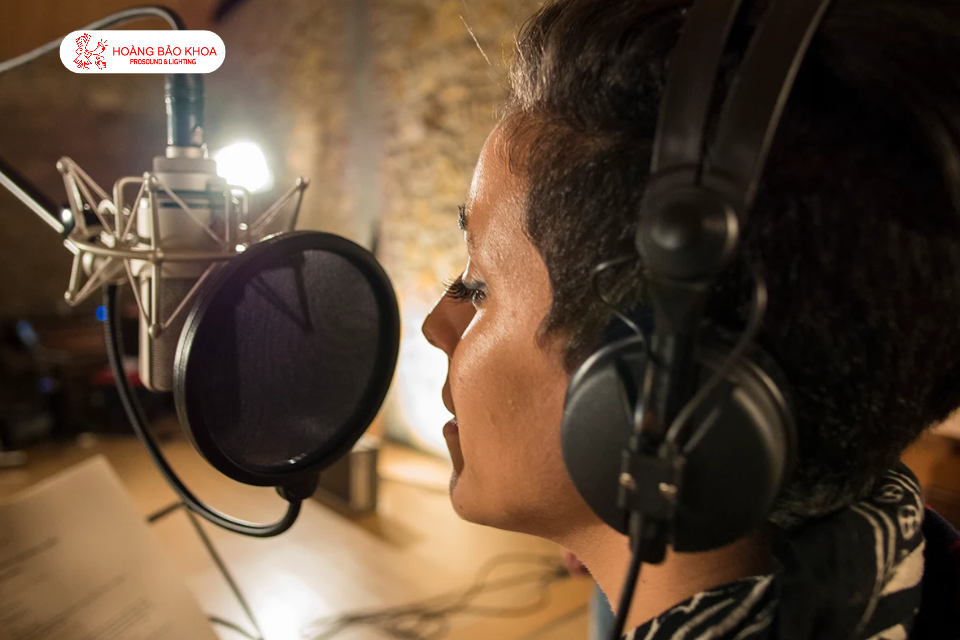
The TLM 103’s 7 dB-A self-noise and 138 dB maximum SPL may be useful when recording quiet sources or loud performances. The U 87 Ai’s lower maximum SPL in cardioid is complemented by its switchable pad; it also provides low-cut filtering to reduce low-frequency rumble or proximity effect. Both are condenser Microphones and need a suitable phantom-powered input; check the equipment documentation for the required connection and setup.
If your priority is a simple cardioid vocal chain, the TLM 103 is straightforward to configure. If you want one microphone to adapt to multiple recording techniques, the U 87 Ai’s selectable patterns and controls may be more useful. For Neumann Professional Recording microphones, also consider room reflections and background noise: neither microphone can correct an untreated or noisy space. Test placement and gain before deciding which sound you prefer.
Hoang Bao Khoa is an official Neumann distributor and authorized service center in Vietnam. Contact the team for advice based on your recording setup and intended use.